

A home’s electrical system does far more than keep the lights on. It supports heating, hot water, kitchen appliances, entertainment, security, Wi-Fi, and increasingly, smart home technology as well. That is why good electrical work matters so much. It affects safety, comfort, reliability, and how well a home can support modern living.
For many New Zealand homeowners, electrical upgrades become relevant during renovations, new builds, or when older wiring and switchboards start to show their age. If you want a broader look at when a home may need electrical capacity or switchboard attention, The Complete Guide to Switchboard Upgrades in Auckland is a helpful place to start. This article focuses more specifically on residential electrical services, when homeowners usually need them, and why choosing the right electrician matters.
Why residential electrical work matters more now
Homes are asking more from their electrical systems than they used to.
A house that once supported lights, a few appliances, and basic heating may now need to handle heat pumps, home offices, outdoor lighting, security systems, EV charging, entertainment setups, and smart home devices. In older homes especially, that extra demand can expose limits in the existing system.
That is why residential electrical work is no longer only about fixing faults. In many homes, it is also about making sure the system is ready for the way people actually live now.

What residential electrical services usually cover
Residential electrical work can range from simple repairs through to major upgrades.
That may include:
- general electrical repairs and fault finding
- new wiring and rewiring
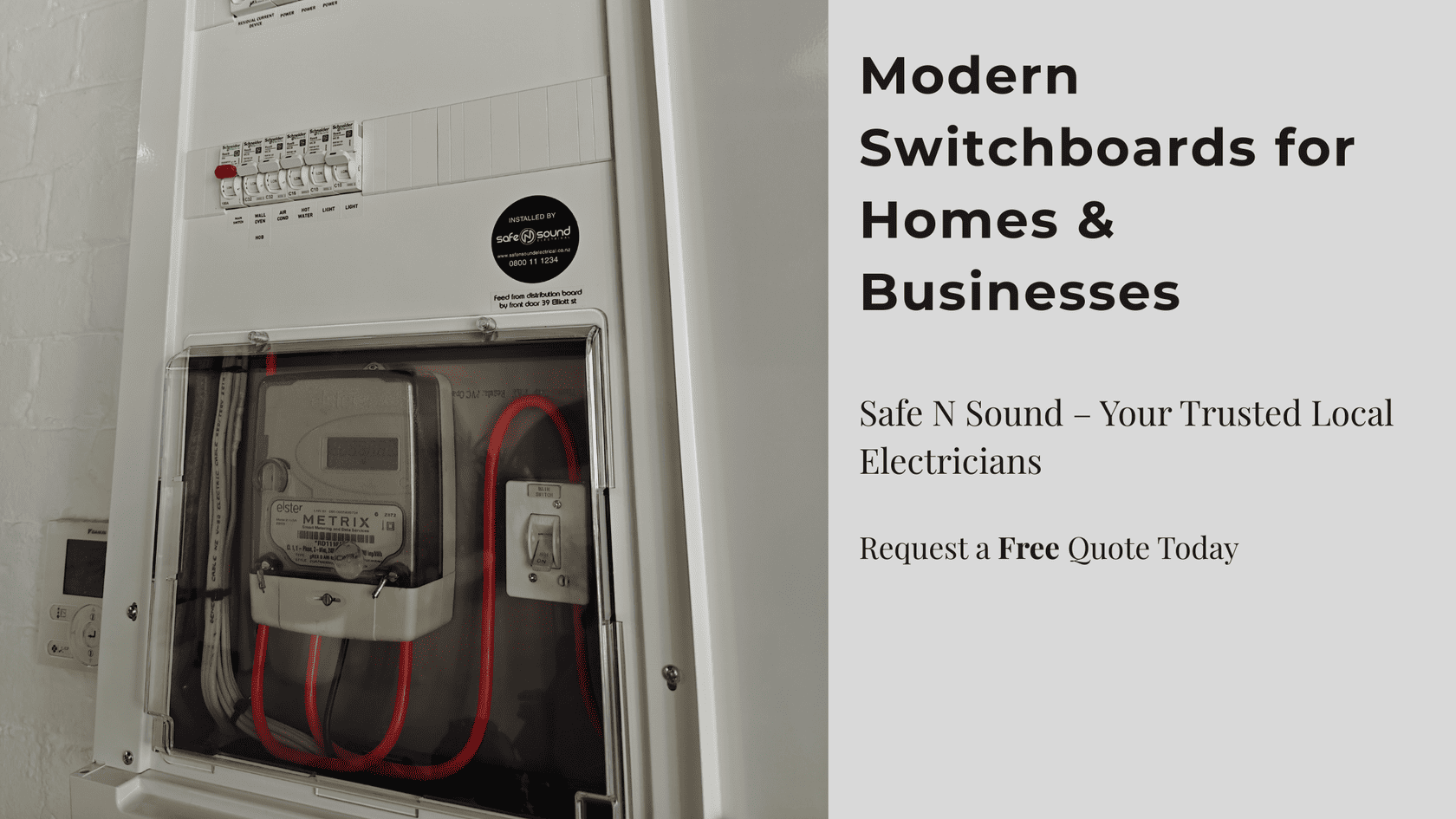
- switchboard upgrades
- lighting and power point installation
- renovations and new build electrical work
- outdoor and landscape lighting
- kitchen and bathroom electrical work
- heating and ventilation connections
- security and connected home electrical support
Some jobs are straightforward. Others sit within wider renovation or smart home projects where the electrical side needs to support multiple systems at once.
When it is time to call a residential electrician
Homeowners often wait until there is a fault before calling an electrician, but there are many other situations where expert advice helps much earlier.
You may need a residential electrician if:
- lights flicker or circuits trip regularly
- outlets feel hot or look damaged
- the home still relies on older electrical components
- you are renovating a kitchen, bathroom, or living area
- you want more power points or better lighting
- you are adding appliances that place more load on the system
- you are planning smart home, security, or automation upgrades
The earlier electrical planning is considered, the easier it is to avoid workarounds and build something that feels safer and more future-ready.
Why choosing the right electrician matters
Electrical work is one of the areas where quality matters long after the job is finished.
A good electrician does more than complete the task in front of them. They help identify underlying issues, think ahead to future demand, and make sure the work is safe, compliant, and suited to the home itself.
That is why choosing purely on the lowest quote is not always the best decision. A stronger result usually comes from looking at:
- licensing and qualifications
- experience with the type of project you are planning
- reputation and reviews
- communication and transparency
- whether the electrician understands the wider scope of the home
For homeowners, peace of mind matters just as much as the finished install.

Modern homes often need more than basic electrical work
In many homes, electrical services now connect with broader upgrades.
That might mean:
- preparing for smart lighting
- allowing for better entertainment and AV setups
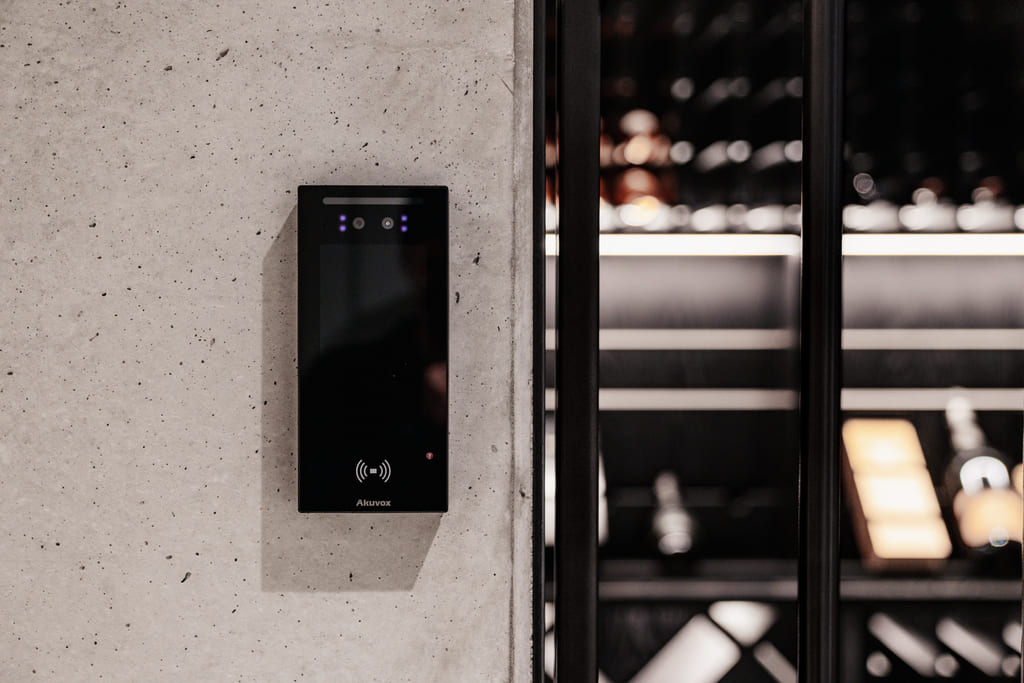
- supporting security and access control
- improving connectivity and device readiness
- making space for future technology additions
This is one reason Safe N Sound’s Electrical work often sits alongside wider residential technology planning. The electrical side is rarely isolated anymore. It is often the foundation that allows the rest of the home to function properly.
Why planning matters in renovations and new builds
Electrical work becomes especially important in renovations and new builds because that is when the biggest decisions are easiest to make well.
It is much easier to plan for:
- better power point placement
- cleaner lighting layouts
- future electrical demand
- network and AV requirements
- smart home controls
- outdoor and entertaining spaces
when walls are open and the project is still flexible.
If electrical planning is left too late, the result is often more compromise, more rework, and a system that feels less considered than it should.
A real example of residential integration
A project like Karaka Lifestyle Home shows why residential electrical work matters as part of a wider home plan.
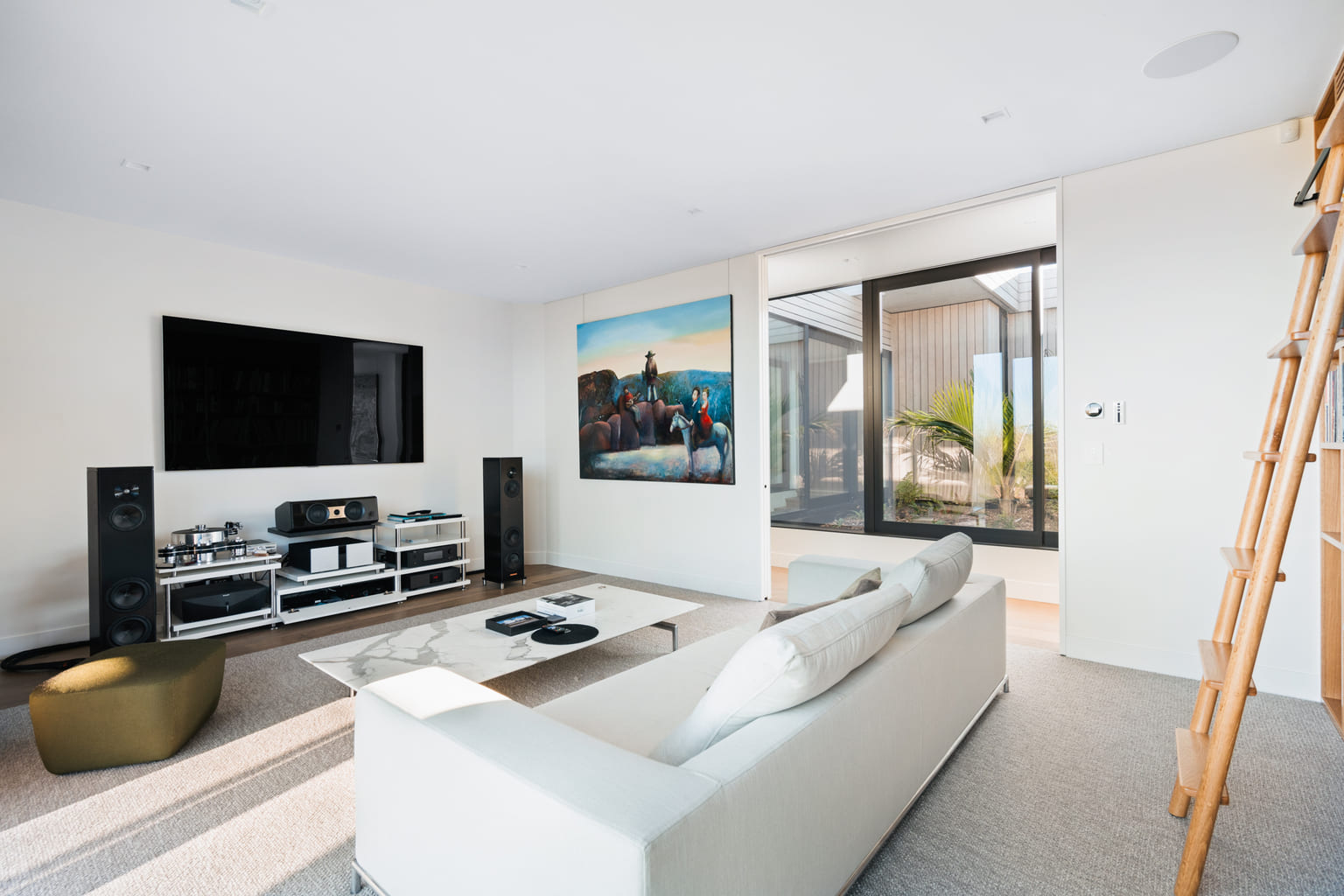
In that home, AV, security, and integrated technology were considered together to support a modern lifestyle property that feels both comfortable and well prepared for how the owners use it. That kind of result depends on having the right electrical foundation in place from the start.
Common mistakes homeowners make
A few issues come up regularly in residential electrical projects.
Waiting until something fails
Many upgrades happen only after a visible problem appears, but by that point the options may be more limited.
Thinking only about current needs
A home should be able to support not just what is needed today, but also what may be added later.
Choosing the cheapest quote without looking deeper
Price matters, but so do experience, workmanship, communication, and long-term reliability.
Treating electrical work as separate from the wider home plan
In many homes, electrical decisions affect lighting, comfort, technology, layout, and how future-ready the property feels.
FAQs: residential electrical services in NZ
Final thoughts
Residential electrical work is about more than fixing faults. It is about making sure a home is safe, reliable, and ready for the way people live now. Whether the project is a repair, a renovation, or a larger upgrade, the right electrical foundation makes everything else easier.
For Auckland and wider New Zealand homeowners, that means choosing a qualified electrician who can look beyond the immediate task and help create a safer, smarter home overall.












[…] electrical systems differ significantly from residential setups. With higher energy demands, complex networks, and strict compliance requirements, businesses […]
[…] For more detail on how we think about power, safety, and capacity, you can explore our guide on residential electrical services in New Zealand. […]