Modern homes and commercial spaces depend on four core systems: electrical, AV, security, and Wi-Fi. When those systems are designed separately, the result is usually the same. Cabling becomes messy, equipment ends up squeezed into the wrong spaces, and the technology never feels as simple or reliable as it should.
At Safe N Sound, we take a different approach. Instead of treating each system as a separate job, we design and deliver them as one connected technology infrastructure. That means power, sound, screens, security, and connectivity are considered together from the start. The result is a smarter, more dependable space that works properly for the people using it every day.
Why an integrated technology partner matters
The same pattern shows up in all kinds of projects.
- The electrician handles power and lighting.
- Another contractor installs the AV.
- A security company fits the alarms and cameras.
- The internet provider leaves behind a basic router.
Each trade focuses on its own part of the job. No one owns the bigger picture.
That is where problems usually start. A switchboard may not allow for future technology loads. Data points may be in the wrong place. AV equipment may not sit neatly with the electrical layout. Wi-Fi may be treated as an afterthought even though almost every system now depends on it.
Working with one integrated technology partner changes that.
It gives you:
- one joined-up plan instead of several disconnected ones
- fewer clashes on site
- systems designed to work together from day one
- one team to call when you need support, upgrades, or changes later
If you want to see how this idea plays out in a home environment, Smart Home Solutions That Make Everyday Life Better is a good place to start.
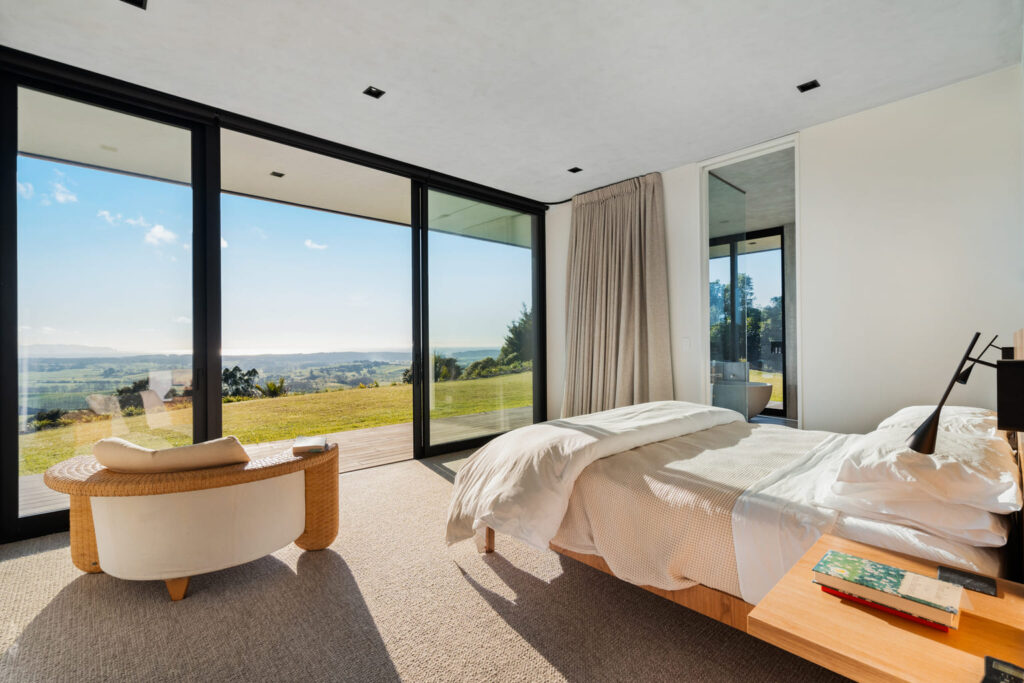
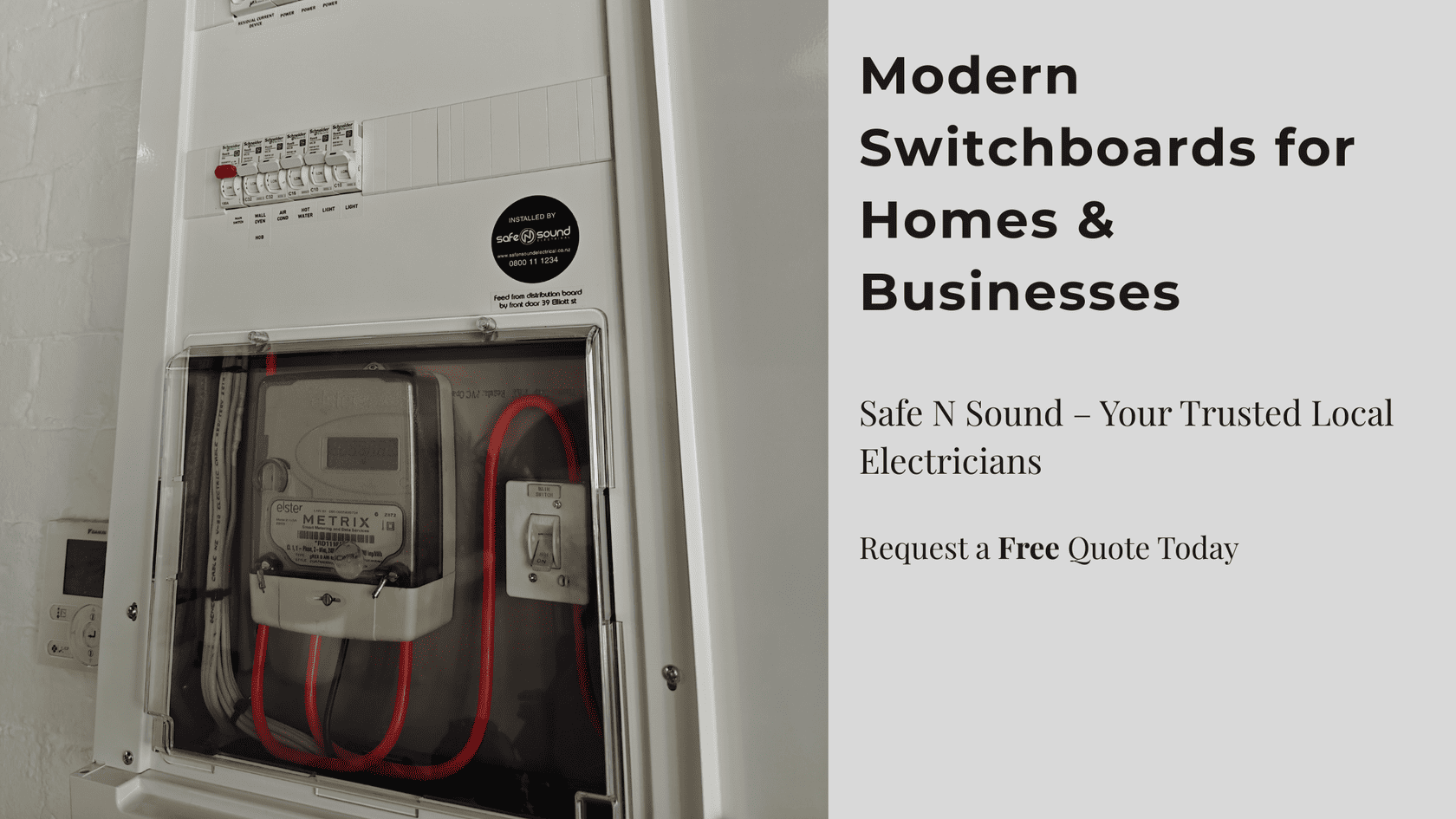
Electrical: the backbone of every smart space
Every piece of technology in a building sits on top of the electrical design. If the electrical backbone is not planned properly, the rest of the system quickly runs into limits.
A strong electrical design should allow for:
- dedicated circuits for AV racks, networking gear, and control equipment
- well-placed outlets for TVs, projectors, touchscreens, and charging points
- surge protection for sensitive electronics
- enough capacity for future loads, not just what is needed on day one
This matters in both homes and commercial spaces. Whether the project is a renovation, a new build, or a fit-out, the electrical side should support what the building needs now and what it may need later.
AV: sound and screens that work together
Audio-visual technology is often where frustration shows up first.
The sound is great in one room but weak everywhere else. The TV inputs are confusing. The meeting room works only if someone remembers the right sequence of remotes. Or the speakers were added so late in the project that they never feel fully integrated into the space.
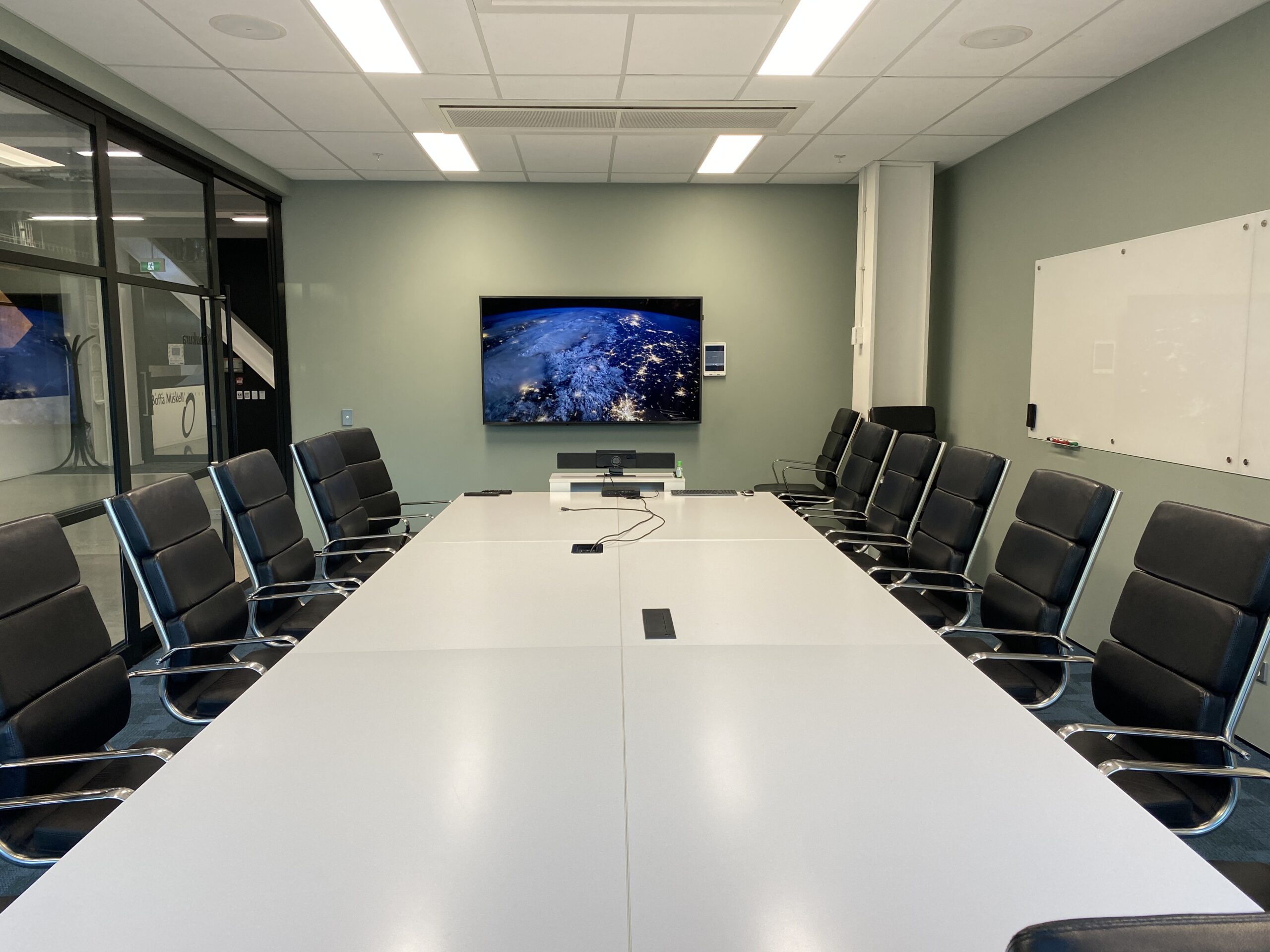
A better AV design looks at the bigger picture. It considers:
- how each room or zone will actually be used
- where displays, speakers, and control points should sit
- how simple the system feels for daily users
- how streaming, TV, microphones, music, or presentations will be accessed
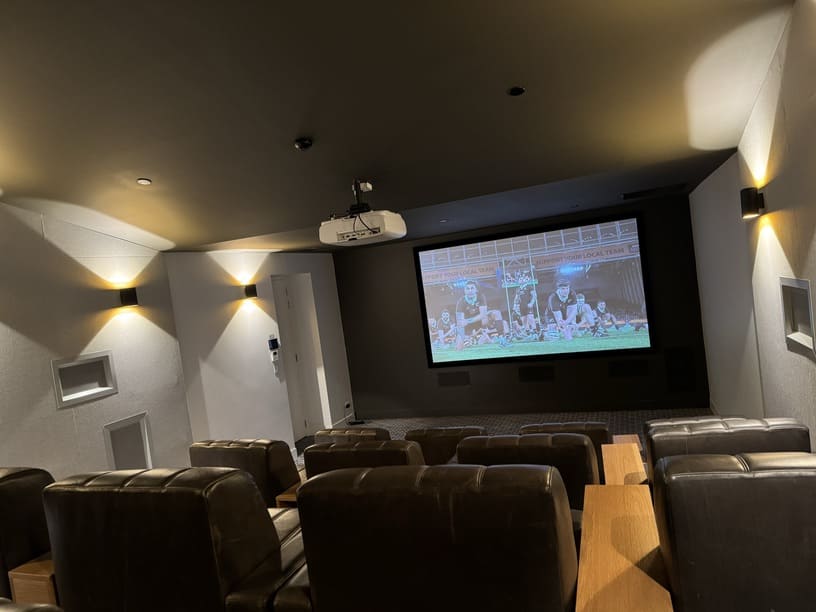
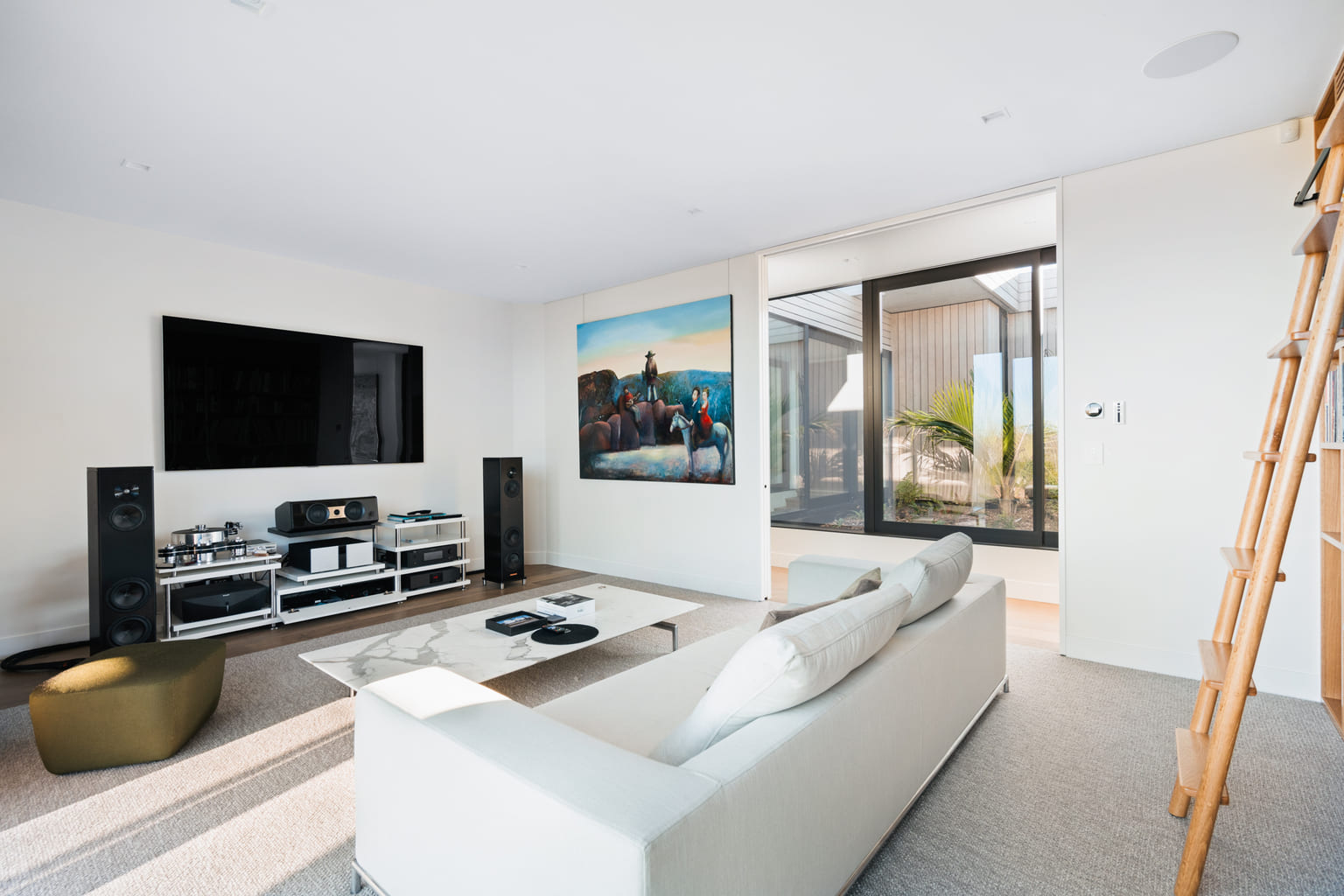
This is why our Audio-Visual work covers everything from home entertainment through to larger commercial systems. If you want to see how integrated AV improves daily living, Transform Your Home with Powerful Smart AV Integration shows that clearly.
The same principle carries into hospitality and wellness spaces too. In venues where atmosphere matters, better AV design has a direct effect on how the space feels. Transform Guest Experience with Better Sound for Hospitality is a strong example of that.
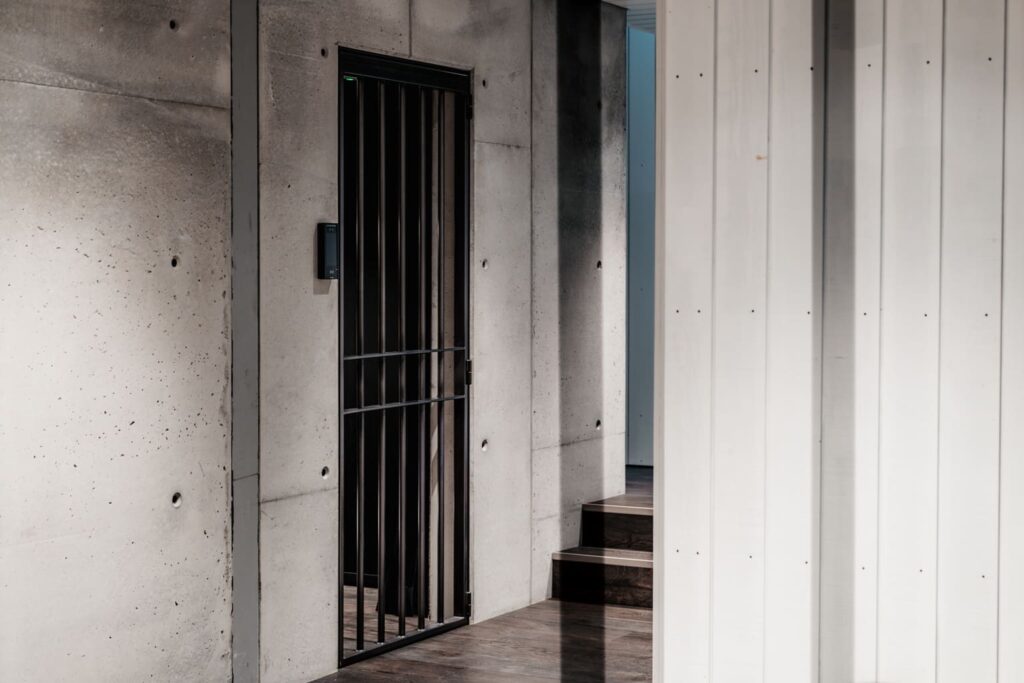
Security and access control: built in, not bolted on
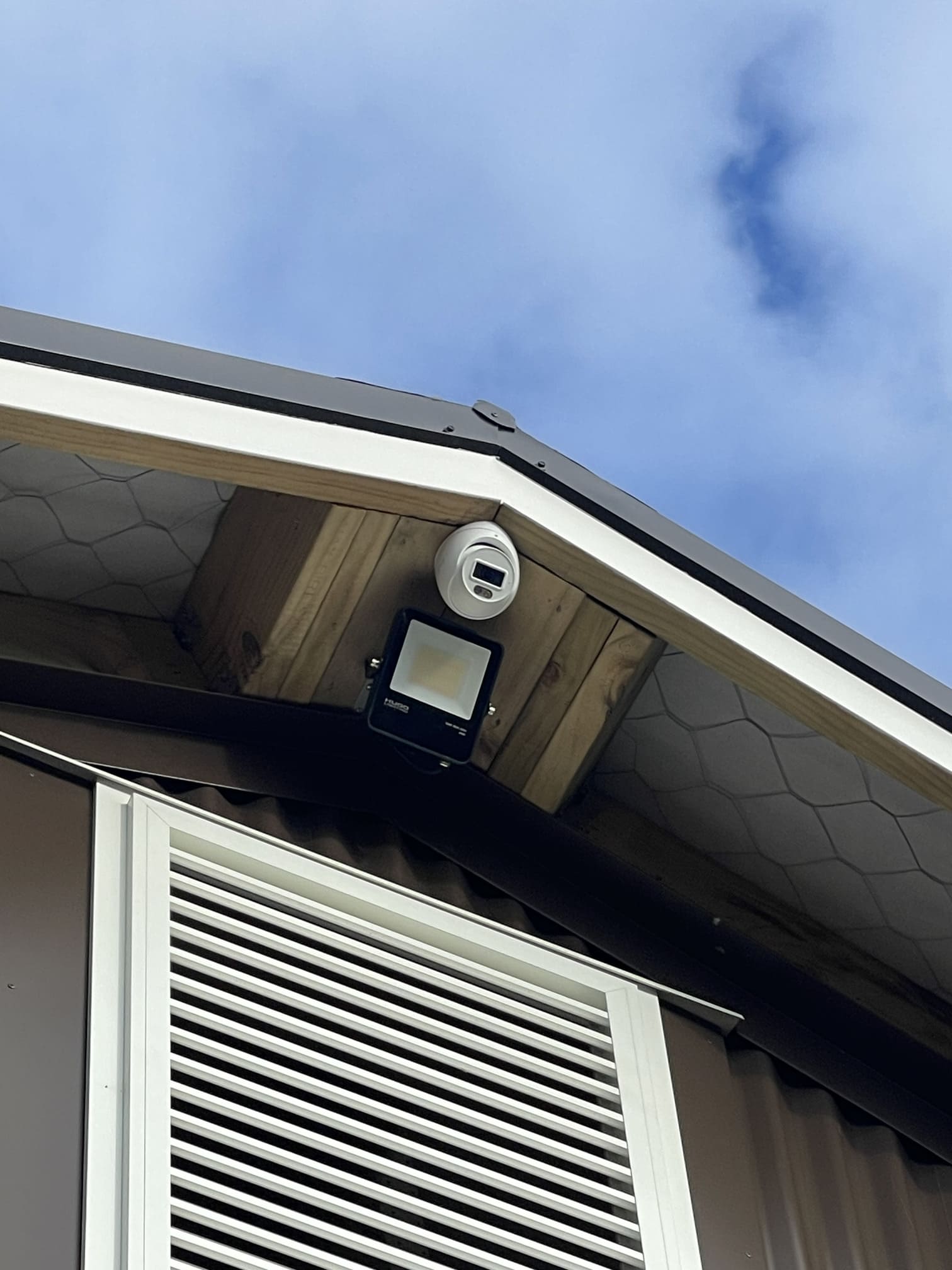
Security often gets added late. That usually leads to camera positions that feel awkward, exposed cabling, and control panels placed wherever there happens to be room left.
When security is planned as part of the wider technology design, the result is much cleaner. Coverage improves, controls make more sense, and the systems feel like they belong in the building rather than being forced into it.
Integrated security and access control should:
- work with the electrical and AV design, not against it
- provide strong camera sightlines without overwhelming the architecture
- allow alarms, CCTV, and access systems to work together where appropriate
- be easy to manage from a phone, touchscreen, or central dashboard
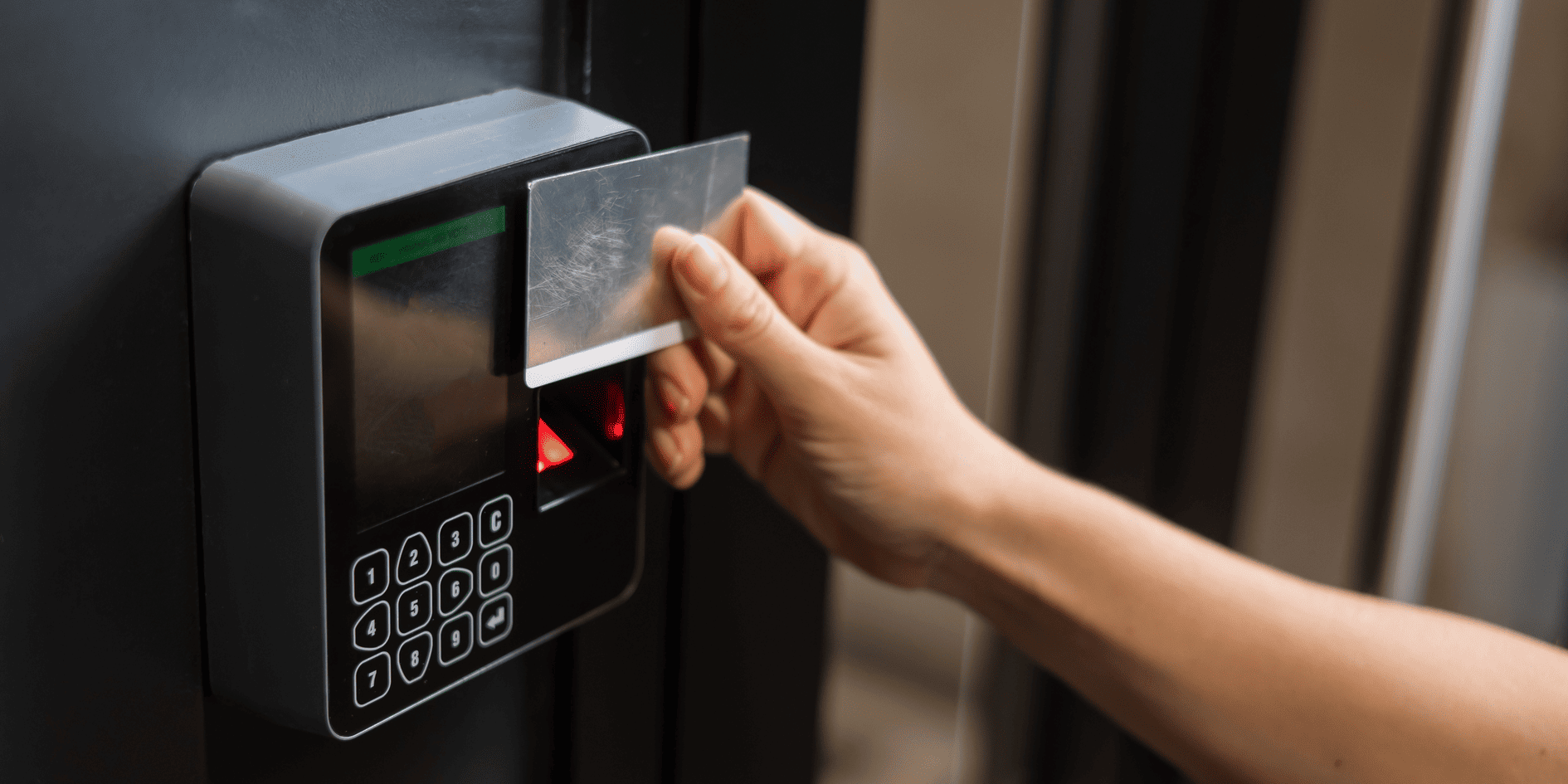
Our Security service covers smart alarms, CCTV, and monitoring for homes and businesses. If you are looking at the business side in more detail, Access Control Systems in NZ: How to Secure Your Business Smartly explains how modern access control fits into a wider integrated setup.
Wi-Fi and networking: the circulation system of the building
Almost every modern system now depends on reliable connectivity. Smart TVs, touchscreens, security systems, access control, point-of-sale terminals, and even lighting can all sit on the network.
If the Wi-Fi is weak or the network is poorly planned, everything feels unreliable.
A well-designed network should:
- provide strong coverage in the areas people actually use
- separate guest traffic from critical systems where needed
- include wired connections where reliability matters most
- allow room for future growth and changing technology needs
That is why our Wi-Fi & Networking work is about more than just internet coverage. It is about making sure the rest of the building can function properly too.
Real-world examples: one team across every system
When electrical, AV, security, and networking are designed together, the finished project tends to feel more coherent.
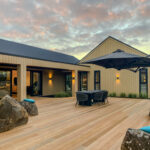
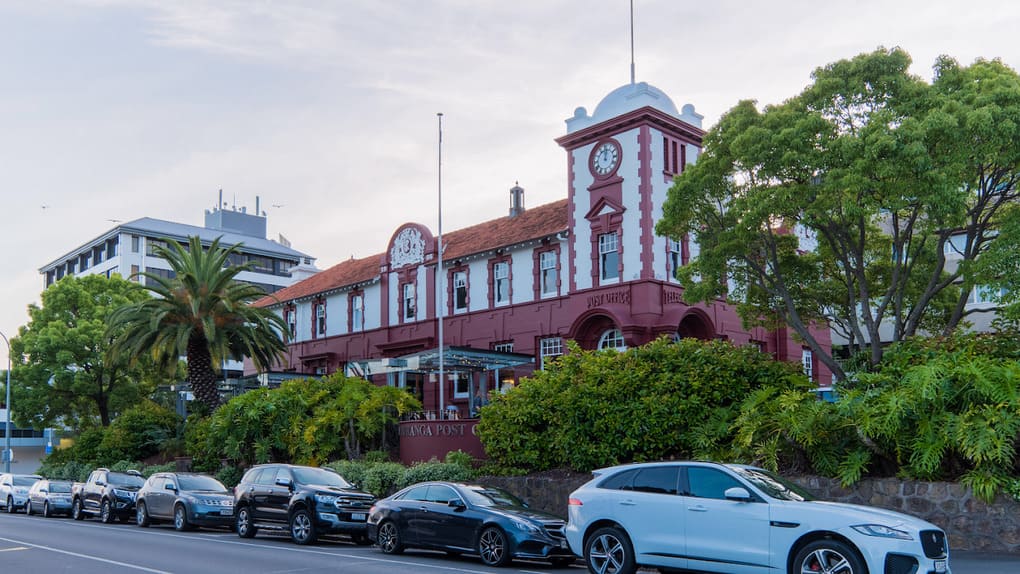
In Karaka Lifestyle Home, premium AV, integrated security, and future-ready connectivity came together to support a modern lifestyle property that feels both comfortable and protected.
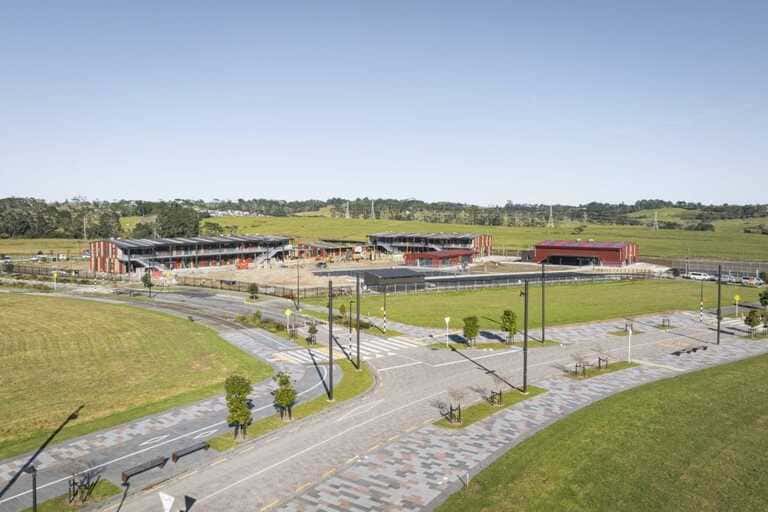
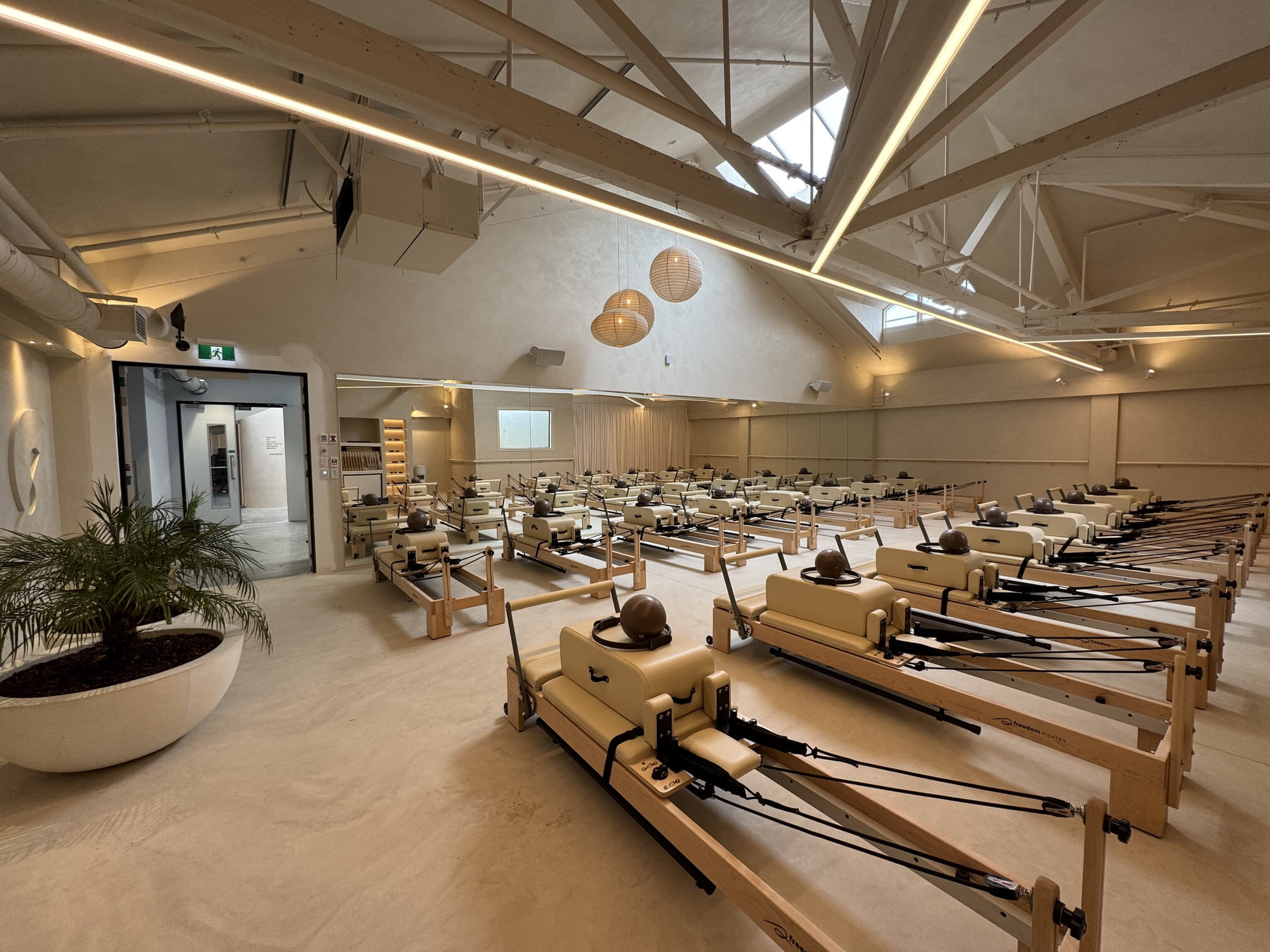
In The Social Project Porirua, AV, CCTV, alarms, access control, and Wi-Fi were all designed to support a 24/7 lifestyle club environment. The systems work together because they were planned together.
These are very different spaces, but the principle is the same. One integrated team takes responsibility for how every system fits together.
Design and consultancy: where integration really starts
The best time to think about integration is at the beginning, when the plans are still flexible.
Early design and consultancy work makes it easier to:
- identify technology opportunities and risks before installation begins
- map out cable routes, rack positions, and equipment locations
- align the work across trades so everyone is working to the same plan
- allow for future upgrades without opening everything up later
This kind of planning saves time, reduces rework, and helps avoid awkward compromises during installation.
Who this approach is for
A one-team, integrated approach works especially well for:
- builders and fit-out companies who want fewer site issues and one clear technology partner
- architects and interior designers who want technology that supports their design rather than fighting it
- facility managers and business owners who want reliable systems and one point of contact for support
- homeowners planning new builds or major renovations who want smart technology without unnecessary complexity
If you are not sure where to begin, looking through our services and recent projects is often the easiest way to see what is possible.
Frequently Asked Questions
One Team for Smarter, Easier Spaces
Bringing electrical, AV, security, and Wi-Fi together under one integrated team removes a lot of unnecessary complexity from a project.
Instead of juggling multiple contractors and hoping everything connects properly at the end, you get one technology partner who designs, installs, and supports the full system. The result is usually cleaner, more reliable, and much easier to live or work with over time.
Planning a Connected Home or Commercial Space?
Safe N Sound can coordinate the electrical, AV, security and networking requirements for your new build, renovation or commercial fit-out. Bringing the systems together early helps reduce site clashes, simplify control and create a more reliable finished result.
Book a consultation with our Auckland-based team to discuss your project and how the technology should work together..