
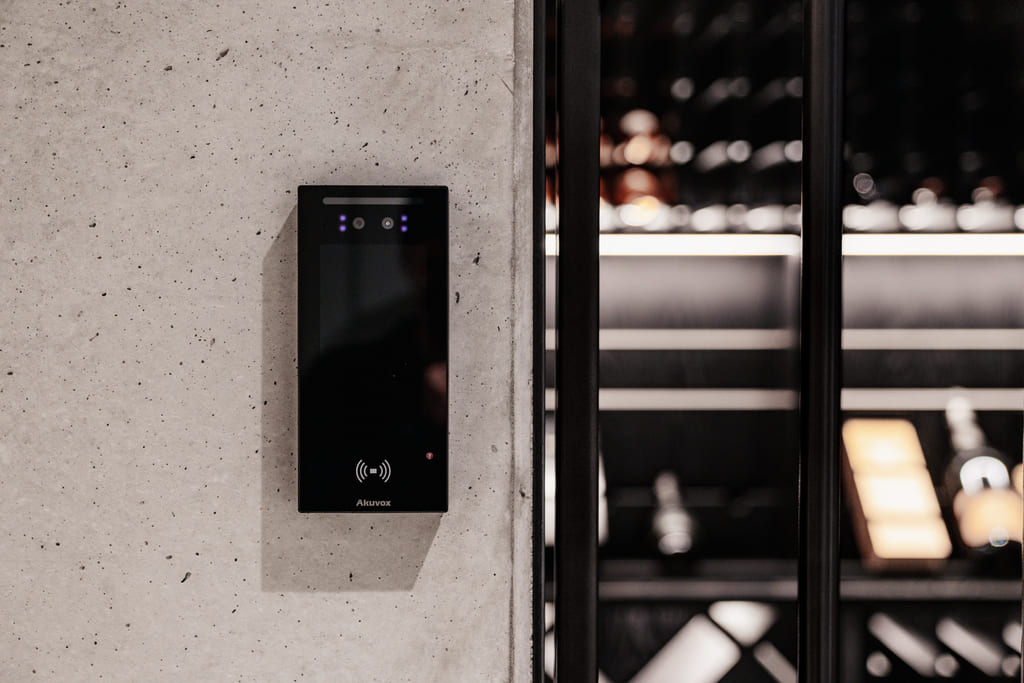
Security is no longer just about locks, keys, and alarm codes. For many New Zealand businesses, it now starts at the door.
An access control system gives you a smarter way to manage who can enter your building, when they can enter, and which areas they can access. That matters whether you run an office, a gym, a retail space, or a larger commercial site with multiple rooms and restricted zones.
Instead of relying on physical keys, businesses can now use cards, fobs, mobile credentials, PIN codes, or biometric entry. The result is a workplace that feels more secure, easier to manage, and better suited to modern operations. If you are already thinking about security systems or wider workplace management, access control is often one of the most practical places to start.
What an access control system actually does
In simple terms, an access control system decides who can enter a space and under what conditions.
That could mean letting staff into the main office during business hours, restricting stockroom access to selected team members, or allowing 24/7 members into a gym while keeping staff-only areas locked down.
Unlike physical keys, access control is much easier to manage. Permissions can be changed quickly, lost credentials can be disabled, and every entry event can be tracked. That gives businesses better visibility and far more flexibility.
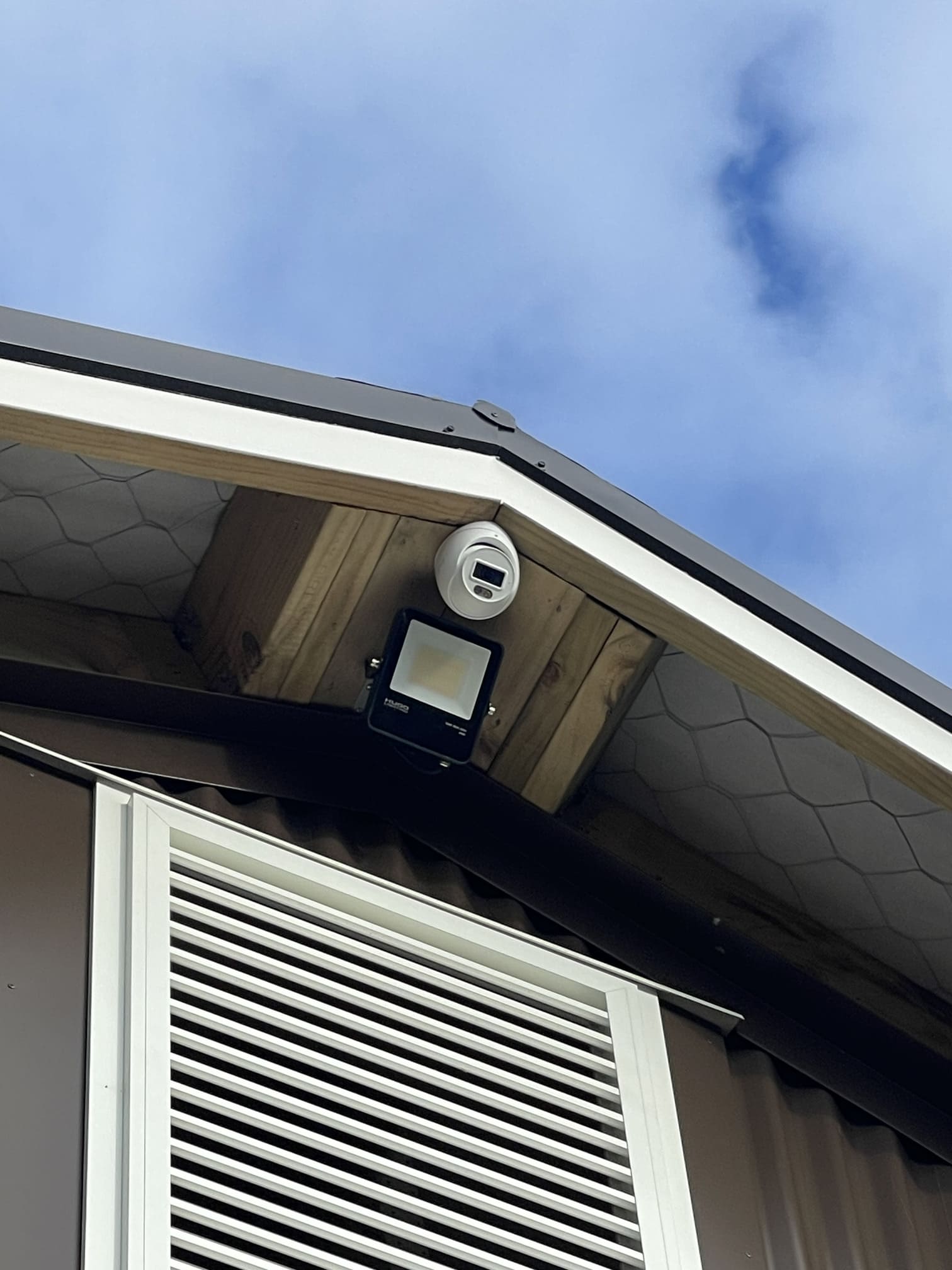
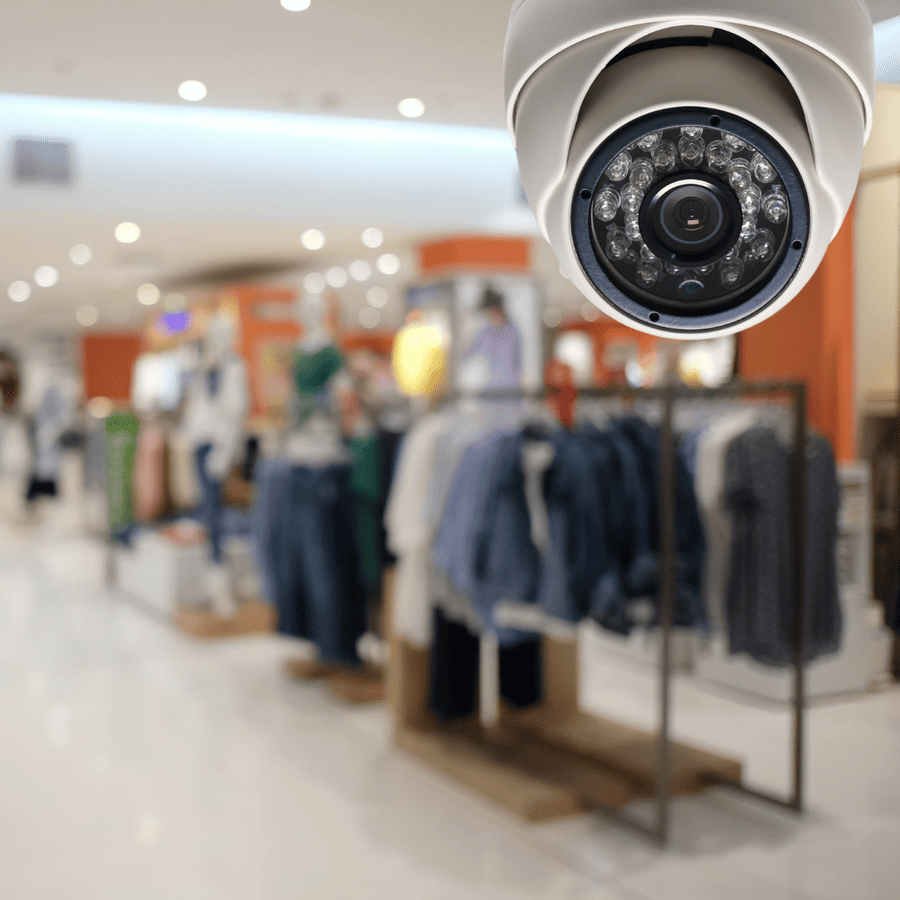
In many cases, access control also works alongside CCTV and wider business security systems, which helps create a more complete security setup rather than a series of disconnected tools.
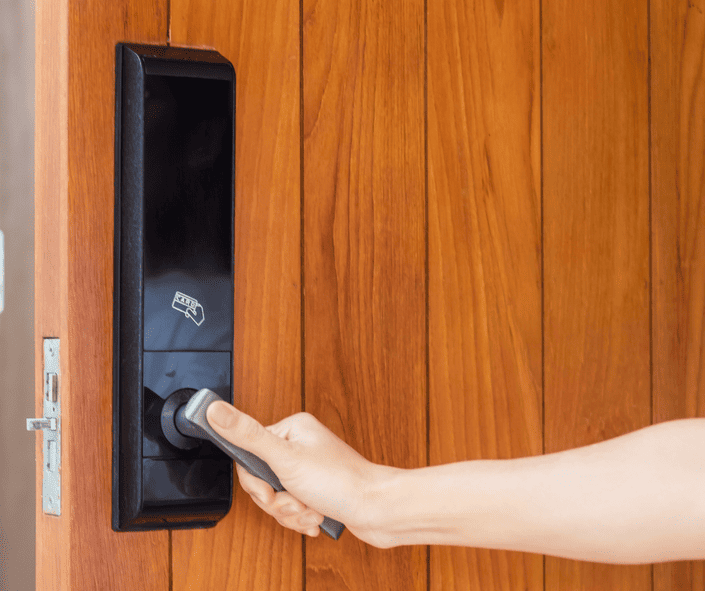
Why more NZ businesses are using access control
For many businesses, the shift towards access control comes down to a few practical reasons.
First, it improves security. You are no longer dealing with copied keys, shared access, or uncertainty around who entered and when.
Second, it makes daily management easier. Staff changes, contractors, visitors, and different shift patterns can all be handled through one system instead of manual workarounds.
Third, it supports modern workplaces. Offices, shared environments, commercial gyms, and hybrid workspaces all need flexible access rules that traditional keys simply do not handle well.
Finally, it makes the site more scalable. If your business grows, moves, or adds new spaces, the system can usually grow with it.
That is why access control is now becoming a standard part of modern commercial fitouts, just like commercial AV or reliable Wi-Fi and networking.
The main types of access control systems
Different businesses need different levels of control. However, most access systems fall into a few main categories.
Discretionary access control
This is one of the simpler models. The owner or administrator decides who gets access to which areas.
It can work well in smaller offices, retail spaces, or businesses where the team is relatively small and the access requirements are straightforward.
Mandatory access control
This is usually used in environments with stricter security requirements, such as government sites, sensitive facilities, or areas with stronger compliance needs.
Access is controlled centrally and cannot be adjusted casually by individual users. For most standard commercial businesses, this is more rigid than necessary, but it is important in the right settings.
Role-based access control
This is one of the most practical options for many businesses.
Instead of giving access person by person, the system assigns access based on role. For example, managers may have wider access, while contractors or part-time staff are limited to the areas and hours relevant to them.
This is often a strong fit for offices, larger commercial sites, and businesses with multiple departments or zones.
Rule-based access control
In this model, access depends on conditions such as time of day, area, or specific rules set by the business.
That makes it especially useful in spaces like gyms, health clubs, and other facilities where different users may need access at different times. It is also useful in workplaces with after-hours access, cleaners, or external contractors.
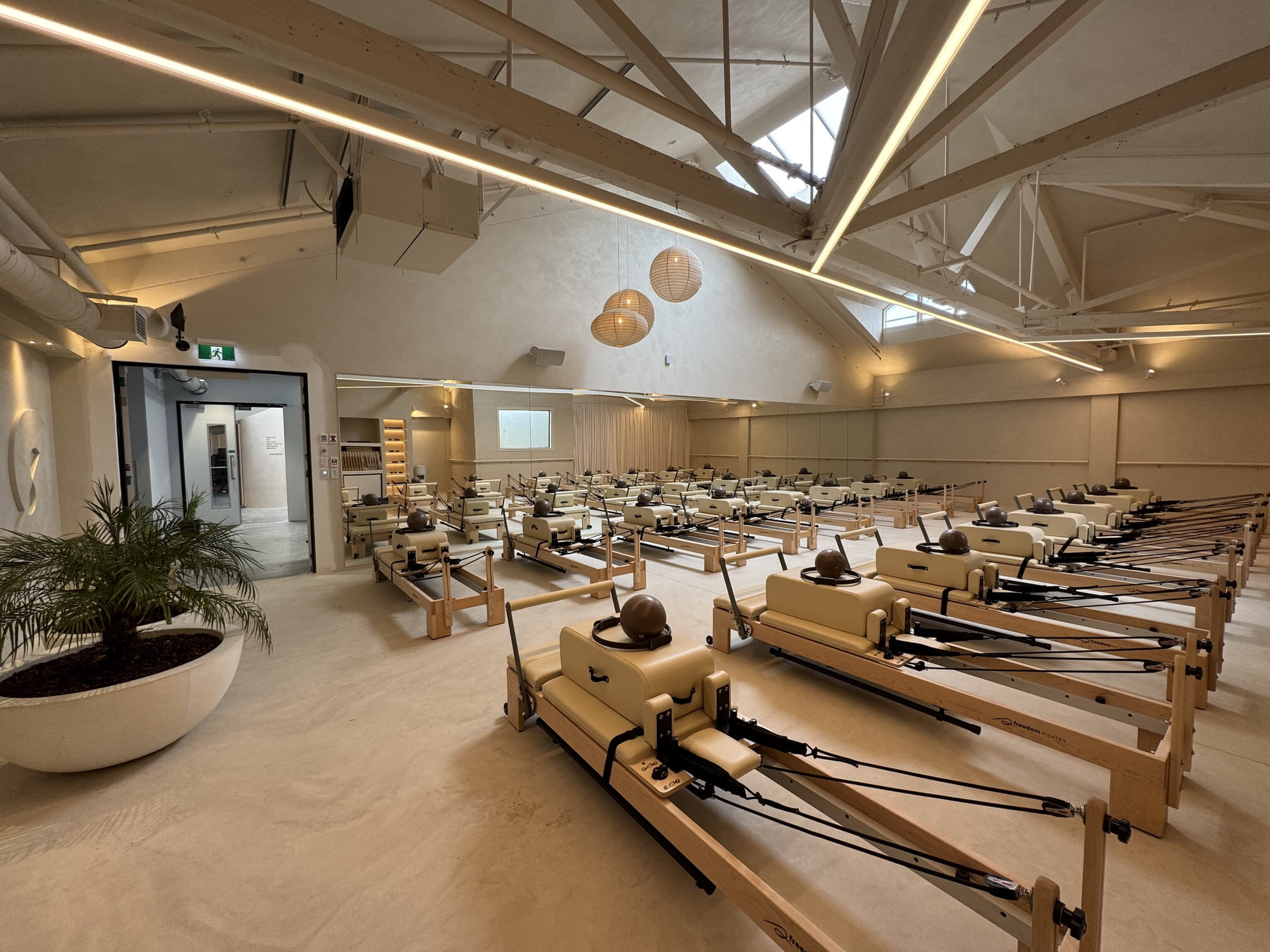
You can see this kind of thinking reflected in projects such as The Social Project Porirua and The Social Project Wellington CBD, where secure access had to support the way the facilities actually operated.
Mobile and biometric access
More businesses are now moving towards smartphone credentials, fingerprint entry, or facial recognition.
These options can reduce the need for physical cards and make entry more convenient. They also create a cleaner experience in spaces where users expect more modern, touch-free access.
For some businesses, this is simply a convenience upgrade. For others, it becomes part of a wider push towards a more connected and future-ready workplace.
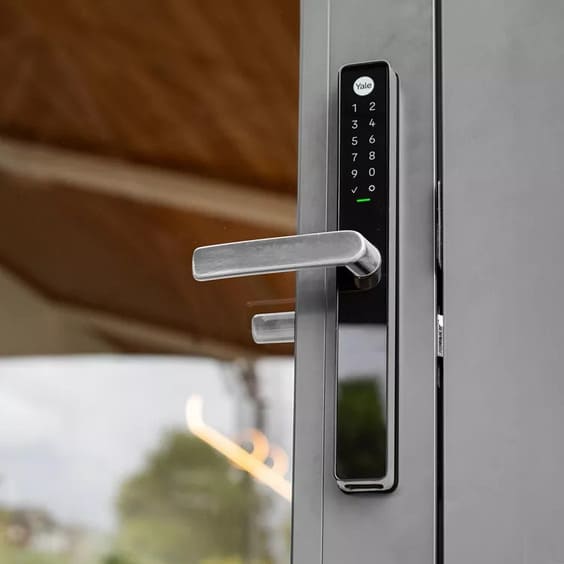
What access control can include
Access control is often broader than people expect.
Depending on the site, it can include:
- front door entry
- internal staff-only zones
- electric gates
- meeting rooms
- stockrooms and server rooms
- gyms and after-hours entry points
- cabinets or restricted storage
- intercom and remote release functions
This is why access control usually works best when it is planned as part of a wider site solution rather than treated as a standalone product.
For example, if access control is being installed alongside security systems, workplace management, or broader technology upgrades, the outcome is usually smoother and easier to manage over time.
The real business benefits
A good access control system does more than block unauthorised entry. It also improves how the business runs day to day.
Better security
This is the most obvious benefit. Access permissions are clearer, entry events are logged, and it becomes much easier to manage who can go where.
Easier administration
If someone leaves the business, loses a credential, or changes role, their access can be updated quickly without needing to replace locks or track down physical keys.
Stronger accountability
Because access is recorded, you have better visibility over activity across the site. That can be useful for security, compliance, and general peace of mind.
Greater flexibility
Modern businesses rarely operate in a simple 9 to 5 pattern anymore. Access control makes it easier to manage different user groups, time-based access, contractor entry, and multi-site operations.
Smoother integration
When access control is linked with alarms, CCTV, visitor systems, or building controls, the overall site becomes easier to manage.
This is part of the reason articles like AI-Powered Surveillance: The Future of Business Security and Security & Access Control in Auckland: The Latest Solutions to Keep You Safe are so relevant. Businesses are no longer thinking about these systems in isolation.
Common mistakes businesses make
There are a few mistakes that come up often when businesses look at access control.
Thinking only about the front door
Access control is often most useful once you think beyond basic entry. Internal rooms, staff-only zones, meeting spaces, stock areas, and gates all matter too.
Choosing credentials before defining the workflow
Cards, fobs, phones, and biometrics all have their place. However, the better question is how the building actually operates and what level of control is really needed.
Leaving integration until late
Access control often works best when planned alongside CCTV, alarms, intercoms, and workplace systems. If it is added too late, opportunities for better integration are often missed.
Underestimating future growth
A system that works for one door and ten staff today may not suit a growing business tomorrow. Scalability matters.
Treating security and usability as opposites
Good access control should improve security without making the site frustrating to use. The best systems balance both.
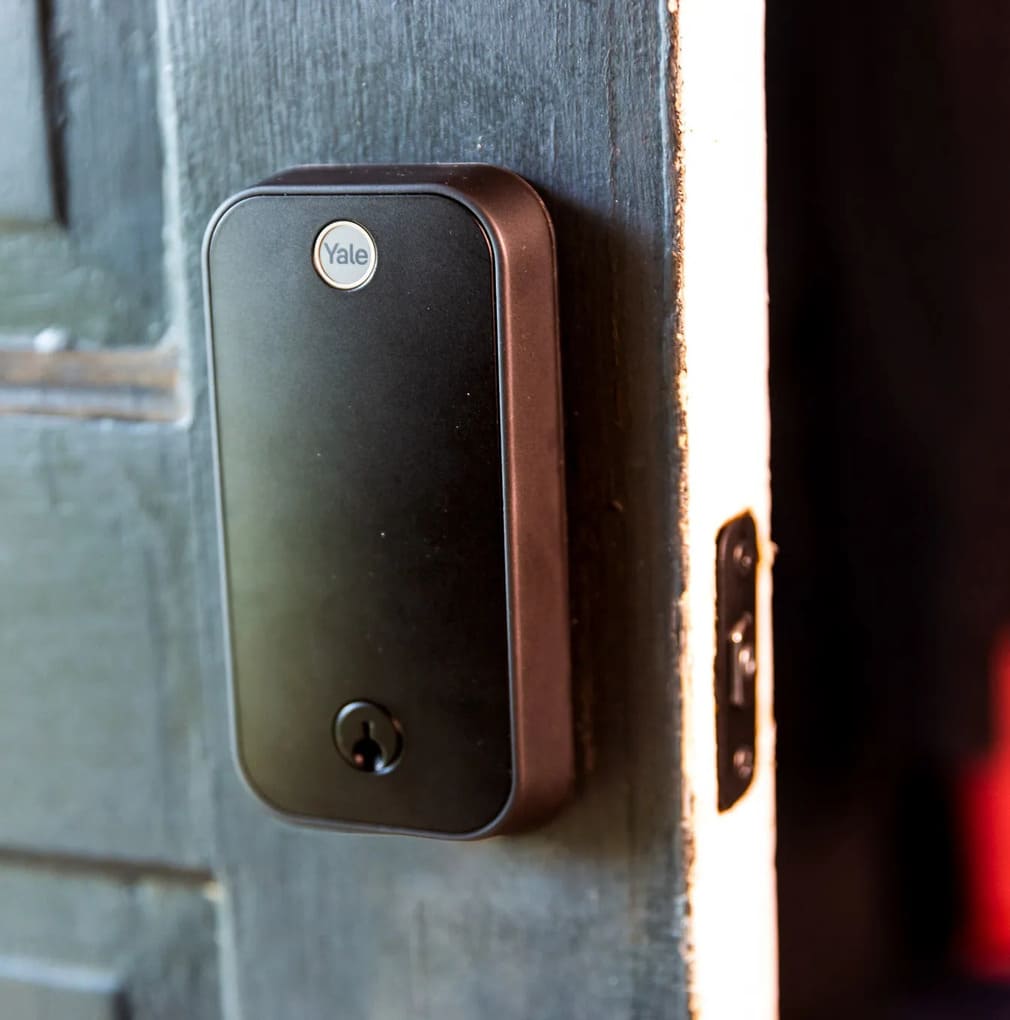
Real projects where access control mattered
You can see the value of integrated access control in several Safe N Sound projects.
At The Social Project Porirua, access control, alarms, and CCTV were brought together to support a secure lifestyle club environment.
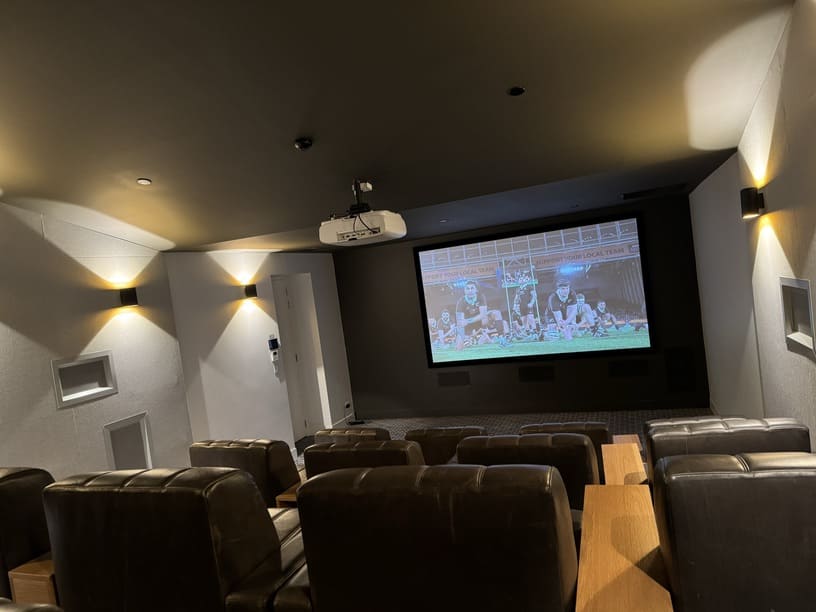
At The Social Project Wellington CBD, secure access was part of a wider technology fitout designed for a premium 24/7 wellness facility.
At BlueFit Gym Orewa, smart gym features, member recognition, access systems, and wider digital infrastructure all contributed to a more seamless member journey.
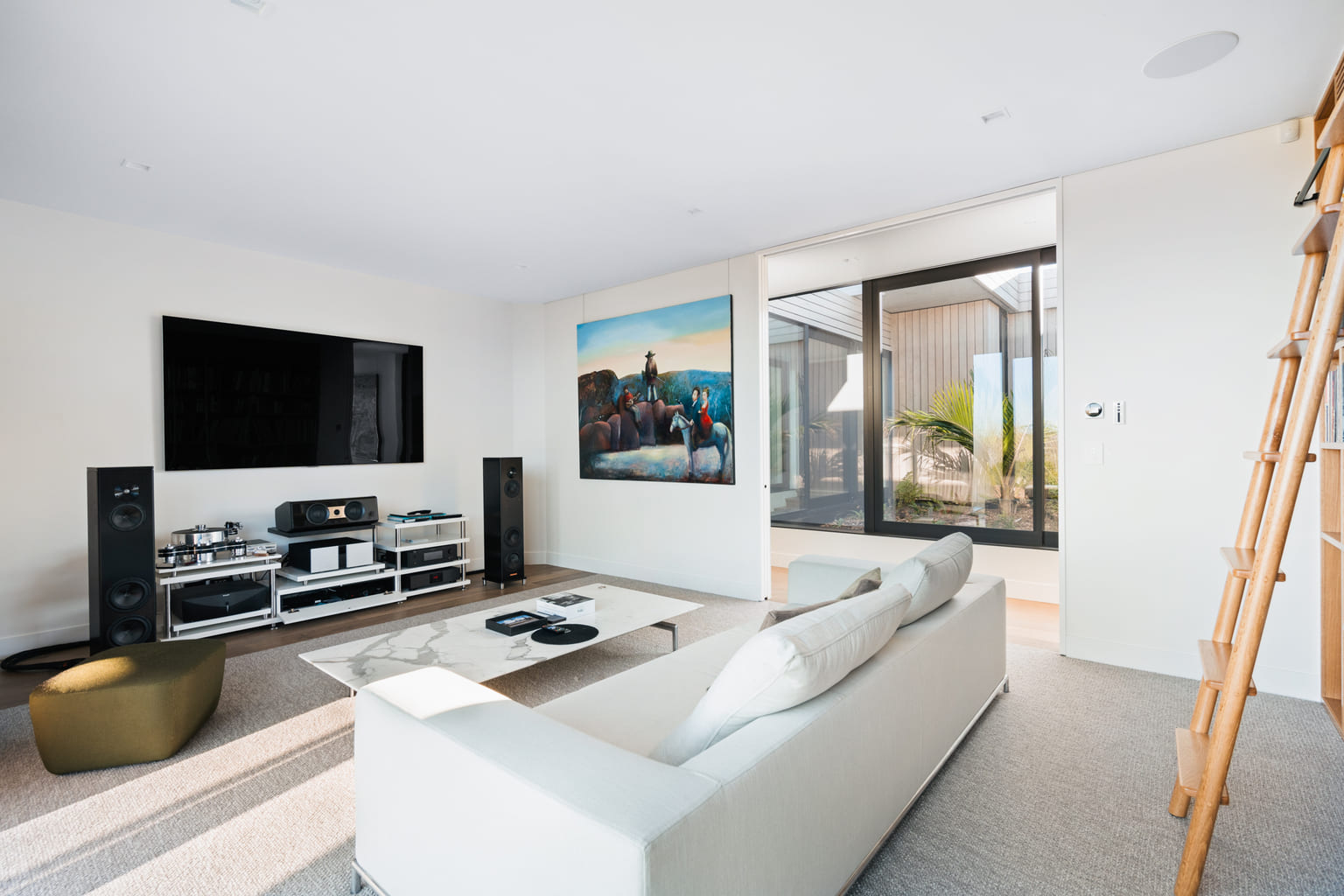
Even in residential settings such as Devonport Villa, secure entry, intercom integration, and remote gate management show how access control thinking can improve convenience as well as security.
Why integrated delivery matters
This is where many businesses can save themselves a lot of future frustration.
If access control is handled by one provider, CCTV by another, alarms by someone else, and workplace systems separately again, the site may end up with multiple systems that all function individually but do not work well together.
A more integrated approach usually leads to:
- cleaner installation
- simpler management
- fewer gaps between systems
- better long-term support
- a more reliable everyday experience
That is the same logic behind One Team for Electrical, AV, Security and Wi-Fi. The more connected the systems are, the more valuable coordinated planning becomes.
Frequently Asked Questions
Planning a smarter security upgrade?
If your business is still relying on traditional keys, limited visibility, or access systems that no longer match the way the site operates, access control is worth looking at properly.
Safe N Sound helps businesses create access control solutions that fit the way they work, whether that means offices, gyms, commercial spaces, or more complex integrated environments. When the system is planned properly, it improves security, simplifies management, and supports a smoother day-to-day experience for everyone using the site.








[…] you are looking at protecting a business, our guide on Access Control Systems in NZ: How To Secure Your Business Smartly explains how modern access control ties into wider security and […]