Choosing a home security system is one of the most important decisions you can make for your property. However, once you start looking at the options, one question comes up quickly: should you choose a monitored system or an unmonitored one?
Both can improve security, but they work in different ways. The right choice depends on how you live, how often you are away, and how much support you want if an alarm is triggered. If you are comparing options for your property, Safe N Sound’s Security solutions are a good place to start. This guide will help you understand the difference between monitored and unmonitored systems, and which one may suit your home better.
What Is a Monitored Security System?

A monitored security system connects your alarms, sensors, and cameras to a professional monitoring centre.
If the system is triggered, the monitoring centre receives an alert. Depending on the monitoring agreement and the type of event, an operator may contact you, verify what has happened, follow the agreed response process or escalate the alert where appropriate.
For many homeowners, the biggest advantage is simple: someone is always watching, even when you are asleep, travelling, or unable to respond.
What Is an Unmonitored Security System?

An unmonitored system works without a professional monitoring centre.
Instead, it relies on on-site alarms, sirens, cameras, and mobile notifications to alert you when something happens. That means you stay in control, but you are also responsible for deciding what to do next.
For example, if a sensor is triggered, you might receive an alert on your phone, check the cameras, and decide whether the issue is genuine or not. For some homeowners, that level of control is appealing. For others, it can feel like too much responsibility, especially if they are often away from home.
The main difference
| Feature | Monitored system | Unmonitored system |
| Alarm response | Professional monitoring team | Homeowner receives the alert |
| Ongoing cost | Usually includes a monitoring fee | Usually no monitoring fee |
| Remote alerts | Often included | Usually app-based |
| Responsibility | Shared with monitoring provider | Managed by the homeowner |
| Best suited to | Travellers, empty homes and those wanting support | Hands-on homeowners who can respond directly |
The difference comes down to response.
A monitored system adds a professional layer between the alarm and the next action. An unmonitored system sends that responsibility directly to you.
That is why the decision is not only about cost. It is also about lifestyle, peace of mind, and how much support you want when something goes wrong.
Why some homeowners choose monitored systems
Monitored systems suit homeowners who want stronger support and less day-to-day responsibility.
The main benefits usually include:
24/7 professional response
There is always someone available to respond, even if you are asleep, overseas, or unable to check your phone.
Faster action when it matters
If the alarm is genuine, the response process can begin immediately rather than waiting for you to see a notification and decide what to do.
More peace of mind
For many households, this is the biggest factor. Knowing the property is being watched around the clock creates a stronger sense of reassurance.
Better support for high-risk or empty homes
Monitored systems are especially useful for homes that are vacant for long periods, homes with frequent travel, or households where quick response matters more.
Why some homeowners choose unmonitored systems
Unmonitored systems can also be the right fit, especially if you want more direct control.
The main benefits usually include:
Lower ongoing costs
Because there is no professional monitoring service attached, you avoid monthly monitoring fees.
More flexibility
Many homeowners prefer to manage their own system, especially if they are comfortable using apps, notifications, and camera access.
Real-time alerts
You still receive notifications quickly, which means you can respond directly when something happens.
Good fit for hands-on homeowners
If you are often home, comfortable managing the system yourself, and want more control over how you respond, unmonitored security can work well.
Which option is right for your home?
There is no single answer that suits everyone. The best choice depends on the property and the people living in it.
A monitored system may suit you better if:
- you travel often
- your home is empty for long periods
- you want stronger peace of mind
- you would rather have professional support in an emergency
- you do not want the pressure of managing every alert yourself
An unmonitored system may suit you better if:
- you want lower ongoing costs
- you prefer direct control
- you are comfortable managing alerts from your phone
- you are usually nearby and can respond quickly
- you want a simpler setup without a monthly monitoring service
Why the wider security setup still matters
Whether a system is monitored or unmonitored, the design still matters.
A home security system works best when the alarms, cameras, entry points, and access methods are planned properly. That is where many people get stuck. They focus on monitoring first, when the real issue is that the system underneath is not well thought through.
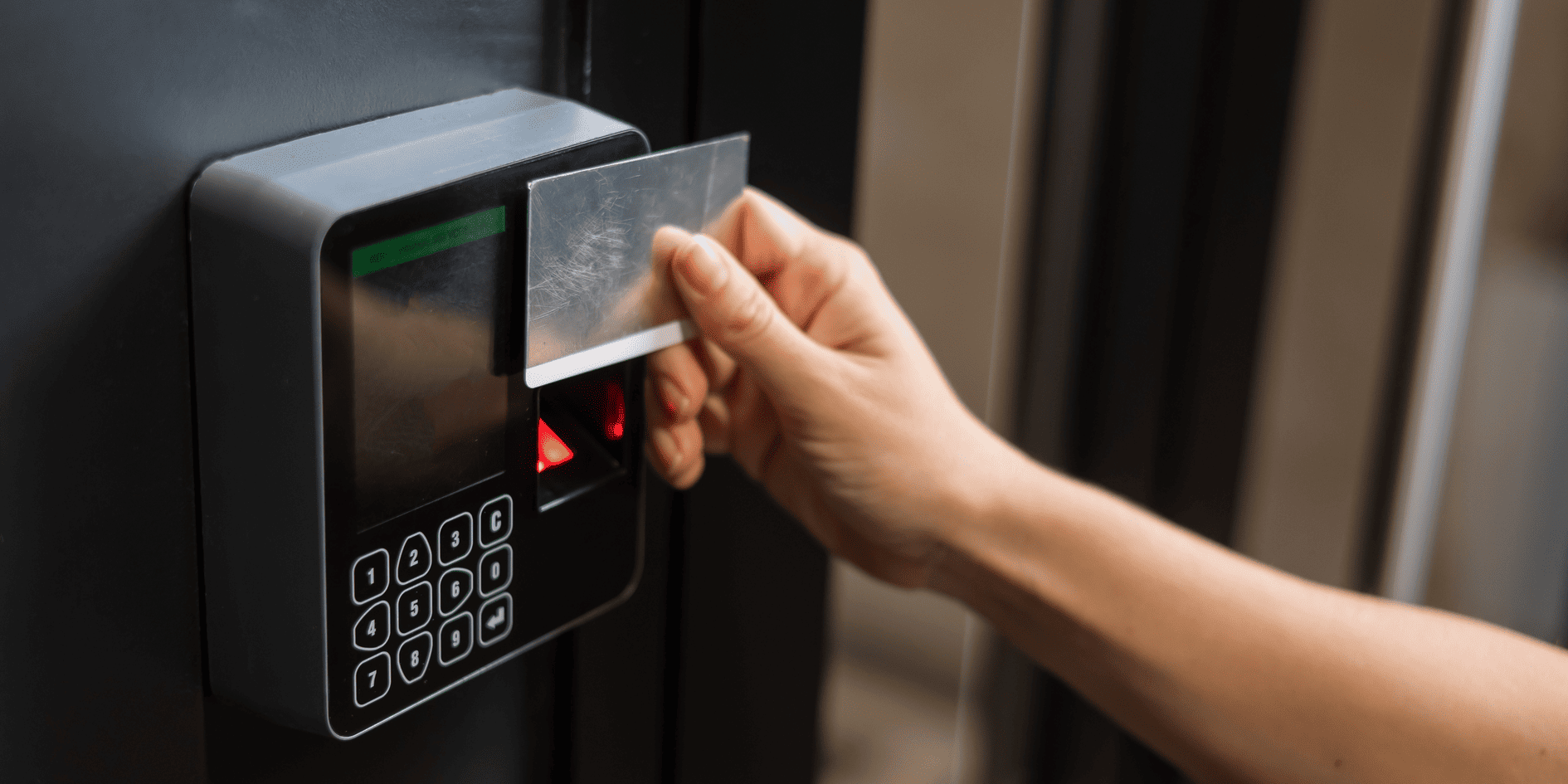
Access control is also part of the wider security picture. Our guide to Access Control Systems in NZ explains how controlled entry, CCTV, alarms and access permissions can work together as one coordinated system.
A real example of integrated home security
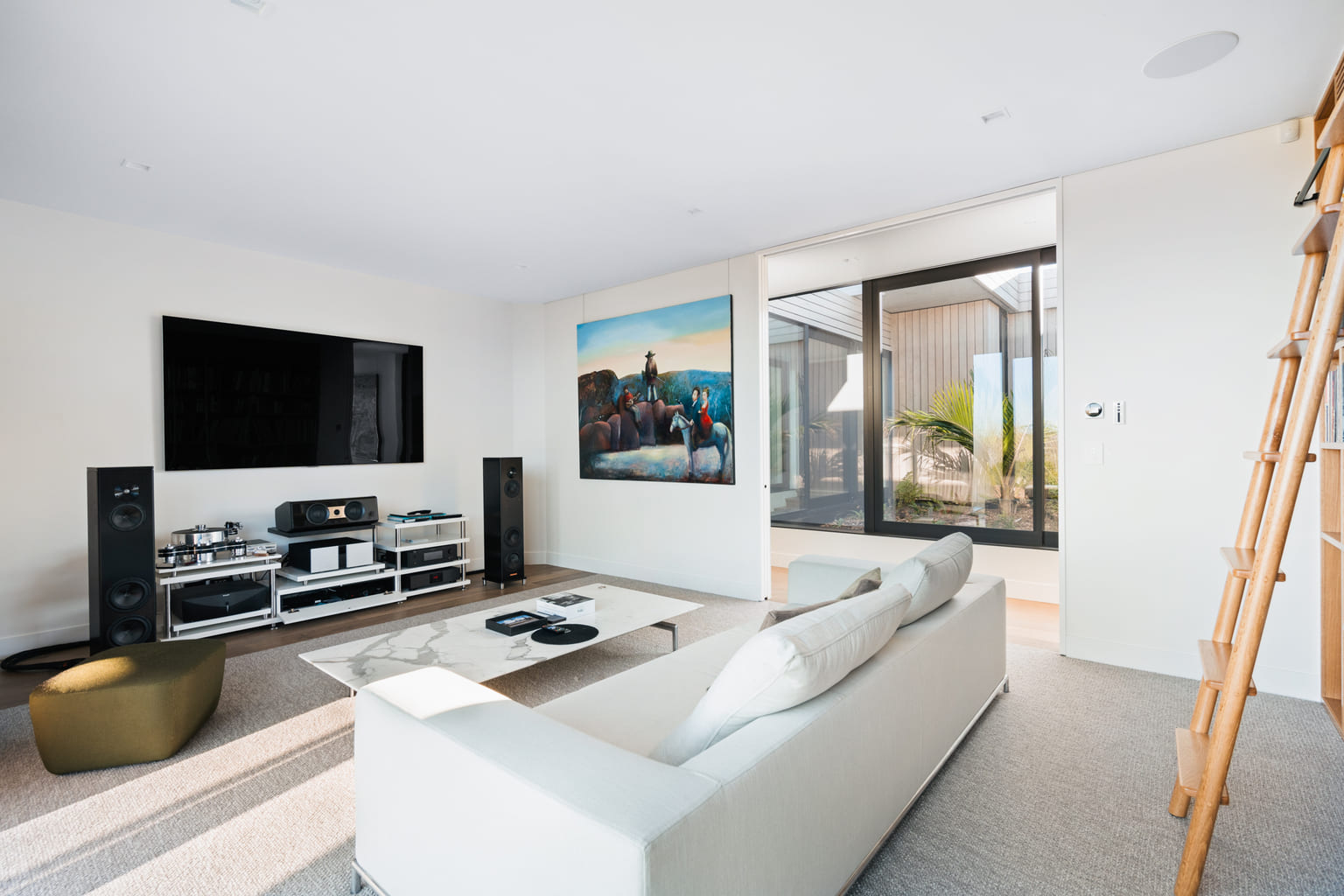
A project like Devonport Villa shows how home security is often strongest when it is part of a wider technology plan.
In that project, smart home control, AV, CCTV, intercom, and gate integration were considered together rather than being added one by one. That kind of joined-up approach usually creates a cleaner result and a home that is easier to manage day to day.
FAQs About Monitored and Unmonitored Security Systems
Final thoughts
A monitored system gives you professional support and added peace of mind. An unmonitored system gives you more control and lower ongoing costs. Neither option is automatically better. The right one depends on your home, your routines, and the level of support you want.
The most important thing is choosing a system that suits the way you live and making sure it is designed properly from the start.
Not Sure Which Security System Suits Your Home?
Safe N Sound can assess your property, routines and security priorities before recommending a monitored, self-monitored or integrated home security setup.
Book a residential security consultation to discuss the right level of monitoring, CCTV, alarms and access control for your home.