Every home and commercial property presents its own installation challenges.
A camera may need to sit neatly beneath an angled soffit. A speaker might need to fit into an unusual corner. A cable route may require a bracket that is not available in the right size or shape.
In those situations, forcing a standard component into the space can lead to a poor fit, visible gaps or an installation that looks unfinished.
Safe N Sound uses in-house 3D printing to create selected mounts, spacers, brackets and covers for AV, security and connected technology projects. It allows the installation team to respond to unusual site conditions and produce a cleaner solution when a suitable off-the-shelf part is unavailable.
What role does 3D printing play in an installation?
3D printing turns a digital design into a physical component built layer by layer.
For Safe N Sound, it is not a replacement for certified electrical equipment, structural hardware or manufacturer-approved safety components. It is a practical fabrication tool used for suitable, non-critical installation parts where shape, alignment and presentation matter.
A custom part may help:
- position equipment at the correct angle
- bridge a small gap between a device and the mounting surface
- conceal an awkward cable entry
- create a neater transition between components
- fit technology around unusual architectural details
- replace a simple unavailable mounting piece
The purpose is not to add complexity. It is to solve a specific installation problem cleanly.
Why standard parts do not always fit
Most cameras, speakers and technology products are designed around common mounting conditions.
Real buildings are rarely that predictable.
A New Zealand home may include:
- sloped or irregular soffits
- exposed timber
- narrow ceiling cavities
- curved or uneven surfaces
- custom cabinetry
- heritage details
- limited fixing positions
- unusual wall or ceiling angles
Commercial properties create similar challenges, particularly where technology needs to sit within existing joinery, signage, displays or interior finishes.
A standard bracket may technically hold the device but still leave it angled incorrectly or visually disconnected from the building. A custom component can help the installation sit more naturally within the space.
1. Custom CCTV camera mounts
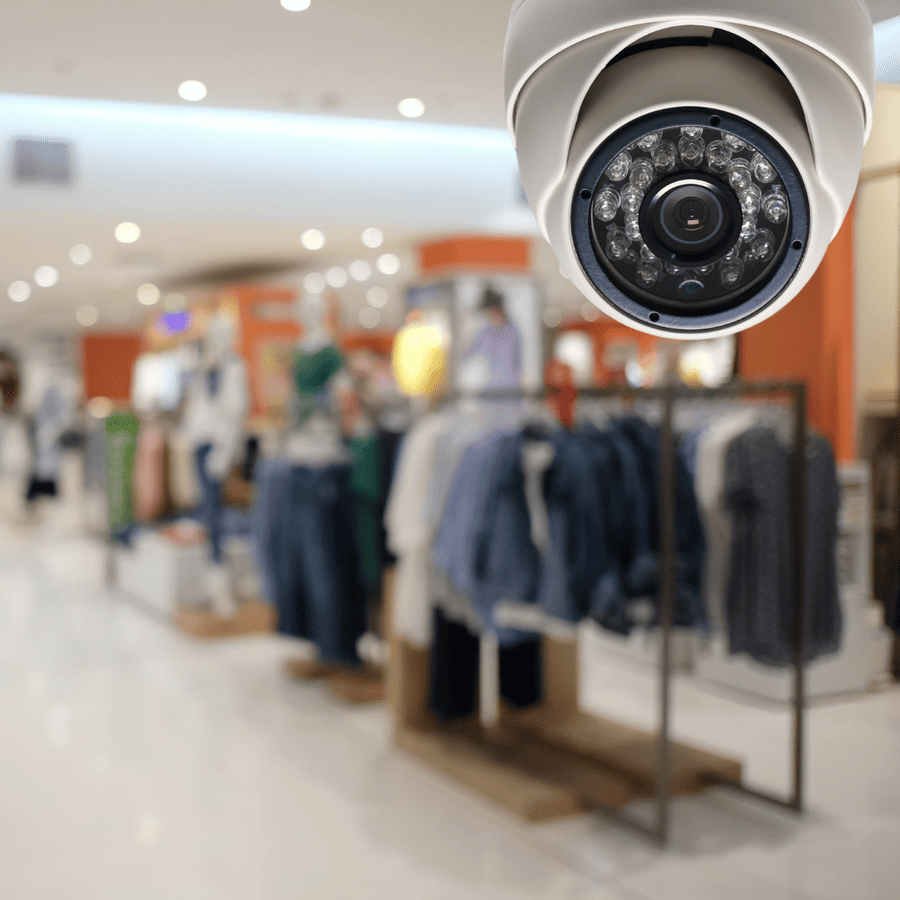
CCTV cameras need the right position and angle to provide useful coverage.
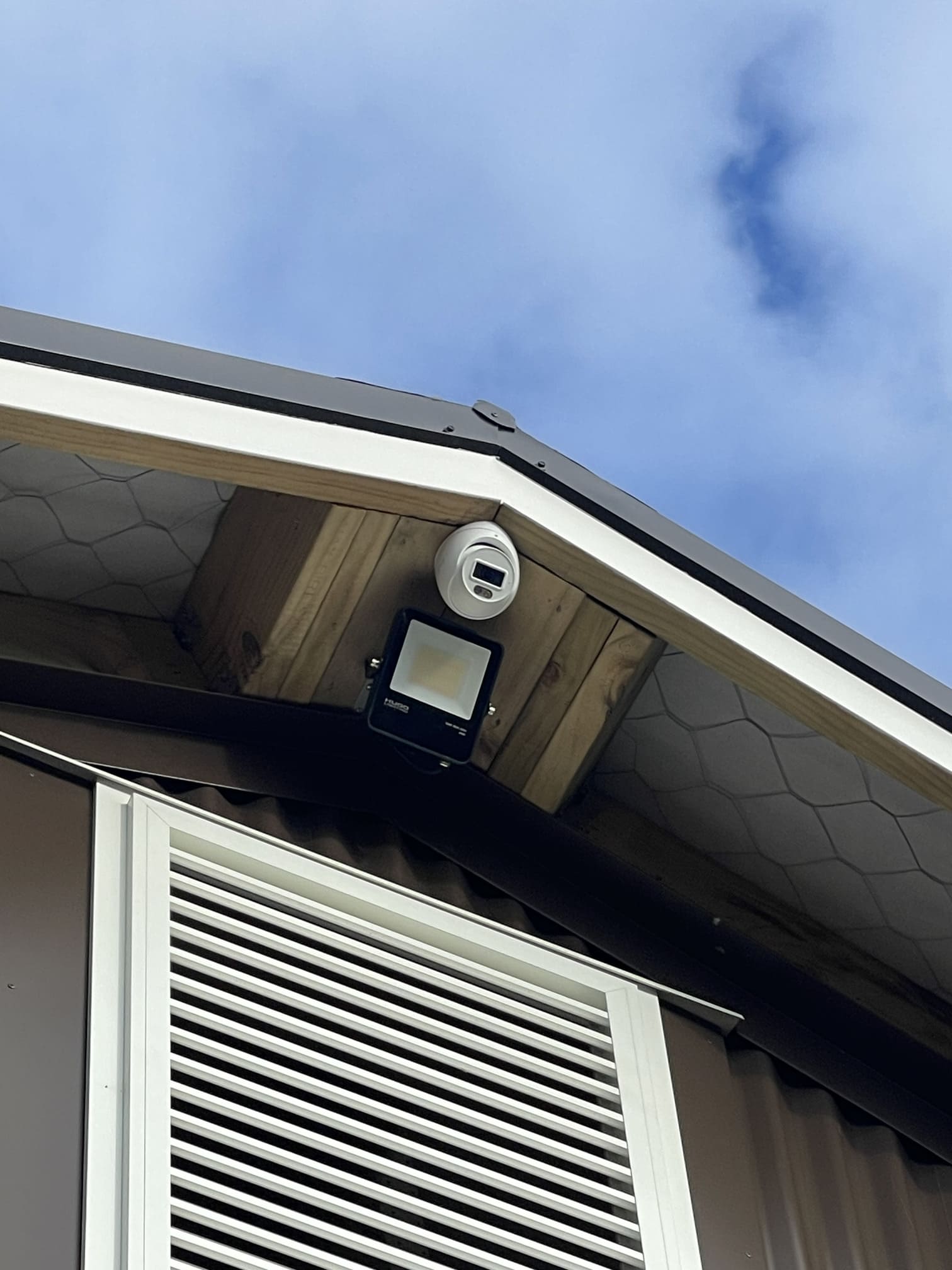
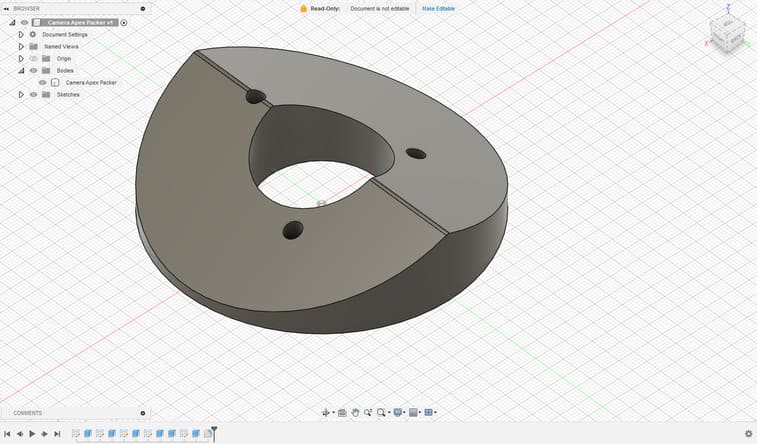
The mounting location may be restricted by rooflines, beams, soffits or the shape of the exterior. In some cases, a standard camera base will not sit flush against the available surface.
A custom mount may be designed to:
- compensate for an angled soffit
- level the camera on an uneven surface
- improve the viewing direction
- conceal part of the cable entry
- create a cleaner connection between the camera and building
This can be particularly useful on architecturally distinctive homes where a generic bracket would look bulky or poorly aligned.
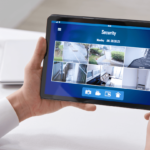
Safe N Sound’s security services include CCTV, alarms, access control and remote security management for residential and commercial properties.
2. Speaker mounts and positioning brackets
Speaker placement affects both sound performance and how well the equipment fits into the room.
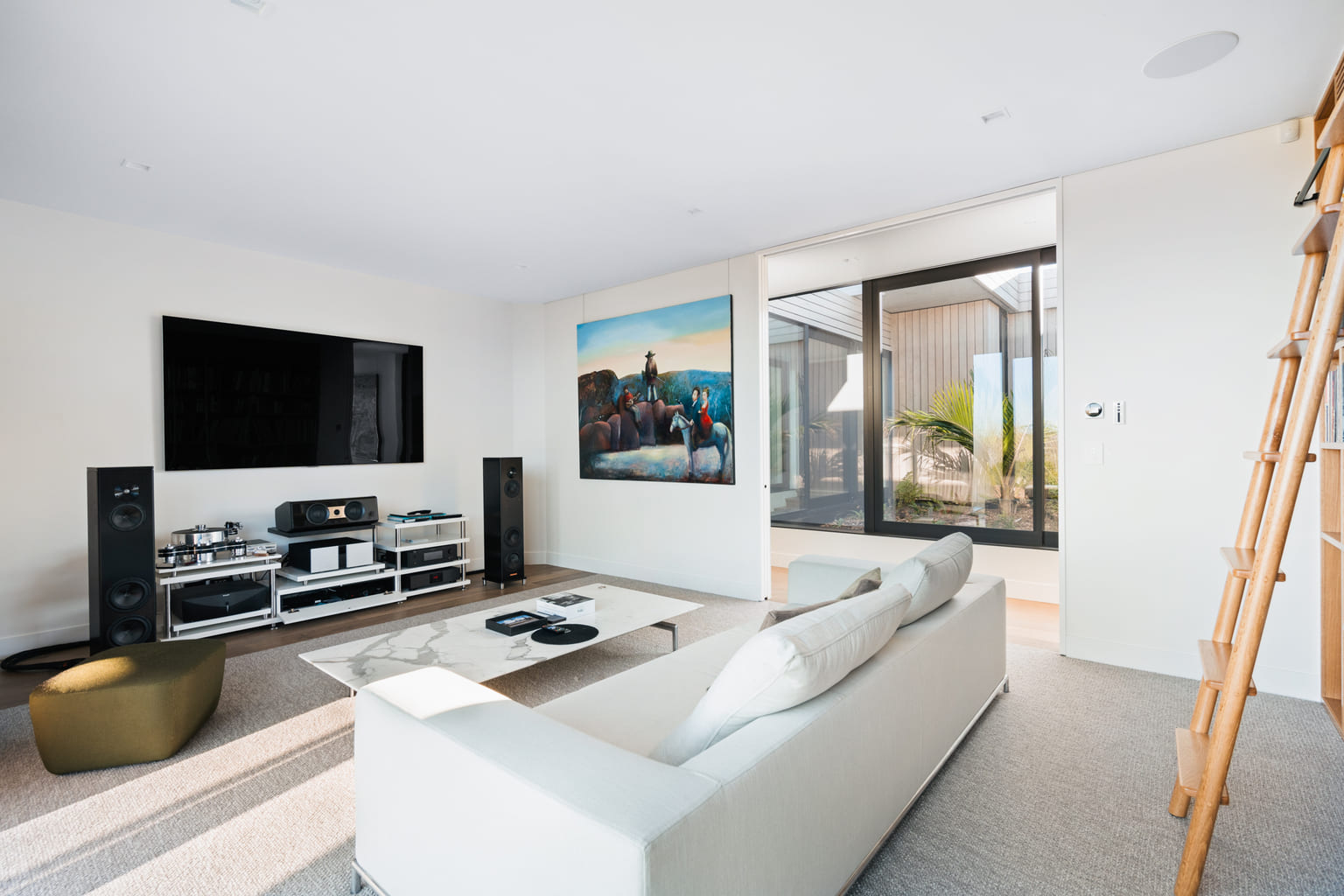
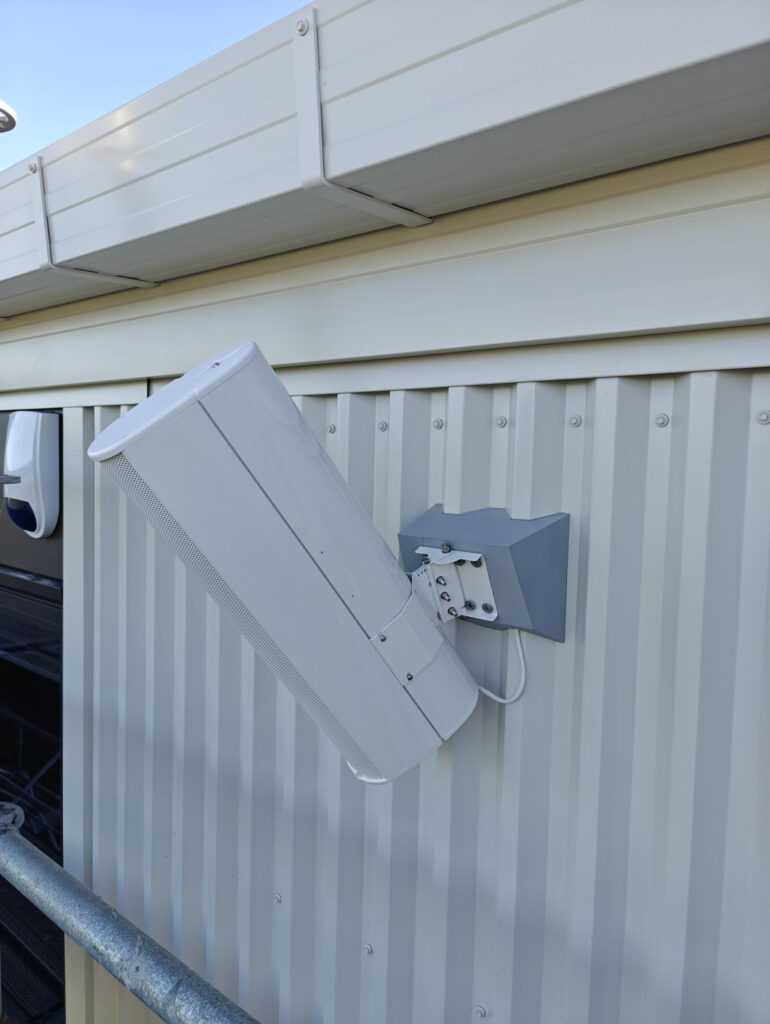
A speaker may need to be angled towards a listening area, fitted beneath a structural element or positioned within a narrow architectural space. When the manufacturer’s standard bracket does not suit the location, a custom mount can sometimes provide a more precise fit.
Depending on the project, this may help with:
- aiming a speaker more accurately
- mounting equipment in an unusual corner
- aligning several speakers consistently
- reducing visible hardware
- working around cabinetry or ceiling details
The bracket is only one part of the result. Speaker type, room shape, fixing strength and acoustic requirements still need to be considered as part of the wider AV design.
3. Cable clips, spacers and cover plates
Some of the most useful printed components are also the least noticeable.
A custom clip, spacer or cover may help keep cabling organised and close small gaps that would otherwise make an installation look unfinished.
These components can be useful where:
- standard clips are too large or too small
- a device needs a precise stand-off from the wall
- a cable entry needs a fitted cover
- an existing opening does not match the new equipment
- several cables need to follow a controlled route
When the installation is complete, the homeowner may never notice the custom part. That is usually a sign that it has done its job well.
4. Prototypes before the final installation
3D printing also makes it possible to test a design before committing to the final component.
The installer can produce a prototype, check it against the actual surface and adjust dimensions where necessary.
That process may involve:
- measuring the device and mounting location
- creating a digital design
- printing a test version
- checking fit, angle and cable access
- refining the design
- producing the final part
This is especially helpful when the installation involves an unusual angle or an existing building detail that cannot easily be altered.
How custom parts improve the finished result
The customer does not necessarily need to know that a component was 3D printed.
What matters is the outcome.
A better fit
The part can be designed around the exact dimensions and angle of the installation area.
Less visual clutter
Custom brackets and covers can reduce awkward gaps, exposed fixings and oversized generic hardware.
Faster problem-solving
Where appropriate, a part can be designed and produced in-house rather than waiting for a specialised component to arrive.
Less disruption to the property
A tailored mount may avoid unnecessary changes to surrounding joinery, ceilings or exterior surfaces.
Greater consistency
Where several devices need the same unusual mount, the design can be reproduced for a uniform finish.
Where 3D printing is not appropriate
3D printing is useful, but it is not the right solution for every component.
A printed part should not be used simply because it is convenient. Its purpose, material, environment and expected load all need to be considered.
Off-the-shelf or manufacturer-approved hardware may be more appropriate when a component:
- carries significant structural weight
- forms part of electrical safety or protection
- is exposed to extreme heat
- needs a formal fire or compliance rating
- affects a product warranty
- is supplied as part of a tested manufacturer mounting system
- performs a safety-critical function
The installer must still follow applicable product instructions, electrical requirements and good installation practice.
The strongest approach is to use custom fabrication only where it genuinely improves a suitable part of the installation.
Material choice matters
A component installed indoors does not face the same conditions as one mounted outside.
Material selection needs to consider:
- heat
- moisture
- sunlight and ultraviolet exposure
- expected weight or pressure
- vibration
- appearance
- how the component will be fixed
An indoor cable spacer may have relatively simple requirements. An exterior CCTV mount needs much more careful consideration because it may be exposed to sun, rain and changing temperatures.
The design should reflect where and how the part will be used.
Supporting architects, builders and designers
Custom components can be particularly useful when the technology needs to respect a carefully designed interior or exterior.
Architects and interior designers may want:
- cameras aligned with building features
- speakers positioned discreetly
- equipment integrated into joinery
- minimal visible cabling
- consistent mounting details
- technology that does not interrupt the visual design
Safe N Sound operates as an integrated AV, electrical and security partner, allowing equipment placement, cabling and custom installation details to be considered together rather than resolved by separate contractors at the end.
Why this matters in renovations and existing homes
New builds offer more flexibility because cabling routes, equipment locations and fixing points can be planned early.
Existing homes require the installer to work with what is already there.
That may mean protecting:
- finished walls and ceilings
- heritage features
- existing cabinetry
- exterior cladding
- limited cable routes
- previously installed technology
A custom mount or cover can sometimes bridge the gap between new equipment and an existing feature without requiring major changes to the property.
This makes the approach useful for villas, apartments, renovations and homes with unusual architectural details, not only new luxury builds.
A real example of detail-led integration
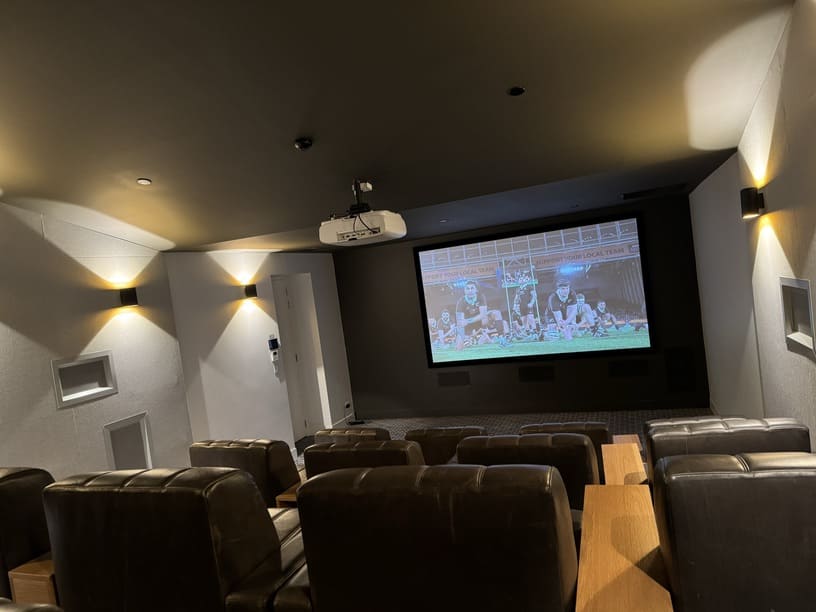
The Mangatāwhiri smart home project brought together automation, AV, CCTV, alarms, lighting control and whole-home Wi-Fi in a modern country property.
Projects with several integrated systems require attention to more than the main equipment. Camera angles, cable routes, speaker positions and mounting details all influence whether the final result feels considered.
Custom fabrication is one of the tools that can help the technology fit the architecture rather than appearing added on afterwards.
Is a custom installation always more expensive?
Not necessarily.
The cost depends on the complexity of the design and the number of parts required. In some situations, producing a simple custom bracket can be more practical than modifying the building, ordering several unsuitable products or delaying the installation while searching for a rare component.
However, 3D printing should not be treated as the automatic answer to every issue. A standard part remains the better option when it fits properly, meets the requirements and provides a cleaner or more reliable result.
The value of custom printing lies in using it selectively.
FAQs about 3D-printed installation parts
Small Details Create Better Installations
A professional technology installation is not defined only by the main equipment.
The smaller details, such as how a camera meets an angled soffit, how a speaker is positioned or how cabling disappears into the building, can determine whether the finished result feels clean and intentional.
In-house 3D printing gives Safe N Sound another way to resolve those details when a suitable component does not already exist.
Have an Awkward Installation Challenge?
Safe N Sound can assess the space, equipment and wider system before recommending the most practical installation approach. Where a suitable standard part is not available, a custom-designed component may help achieve a cleaner result.
Book a consultation to discuss your AV, security or integrated technology project in Auckland or elsewhere in New Zealand.