

Running a modern gym is no longer just about equipment and floor space. Members now expect a smoother, more connected experience from the moment they walk in. They want easy access, motivating sound, clear class information, reliable connectivity, and spaces that feel polished and well run.
That is why smart gym technology has become such an important part of modern fitness facilities. When audio, displays, access control, security, and automation are planned properly, the whole venue works better. Staff can manage the space more easily, and members enjoy a more seamless experience. If you are exploring commercial AV, security systems, or wider smart automation for a gym or wellness space, this guide will help you understand where the real value sits.
Why technology matters more in gyms now
The fitness industry has changed quickly. Members do not just compare gyms on equipment anymore. They also compare atmosphere, convenience, accessibility, and how modern the overall experience feels.
For example, a space with poor sound, confusing access, weak Wi-Fi, and inconsistent displays can feel frustrating even if the fitout looks good. On the other hand, a gym with clear audio, smooth entry, useful screens, and strong connectivity feels more organised, more premium, and easier to use.
That matters because it affects:
- first impressions
- member retention
- class experience
- staff efficiency
- security and accountability
- how the brand is perceived overall
In short, smart technology is no longer an extra. In many gyms, it has become part of the core operating model.
What modern gyms usually need most
Not every gym needs the same setup. However, there are a few systems that make the biggest difference in most commercial fitness spaces.
Multi-zone audio
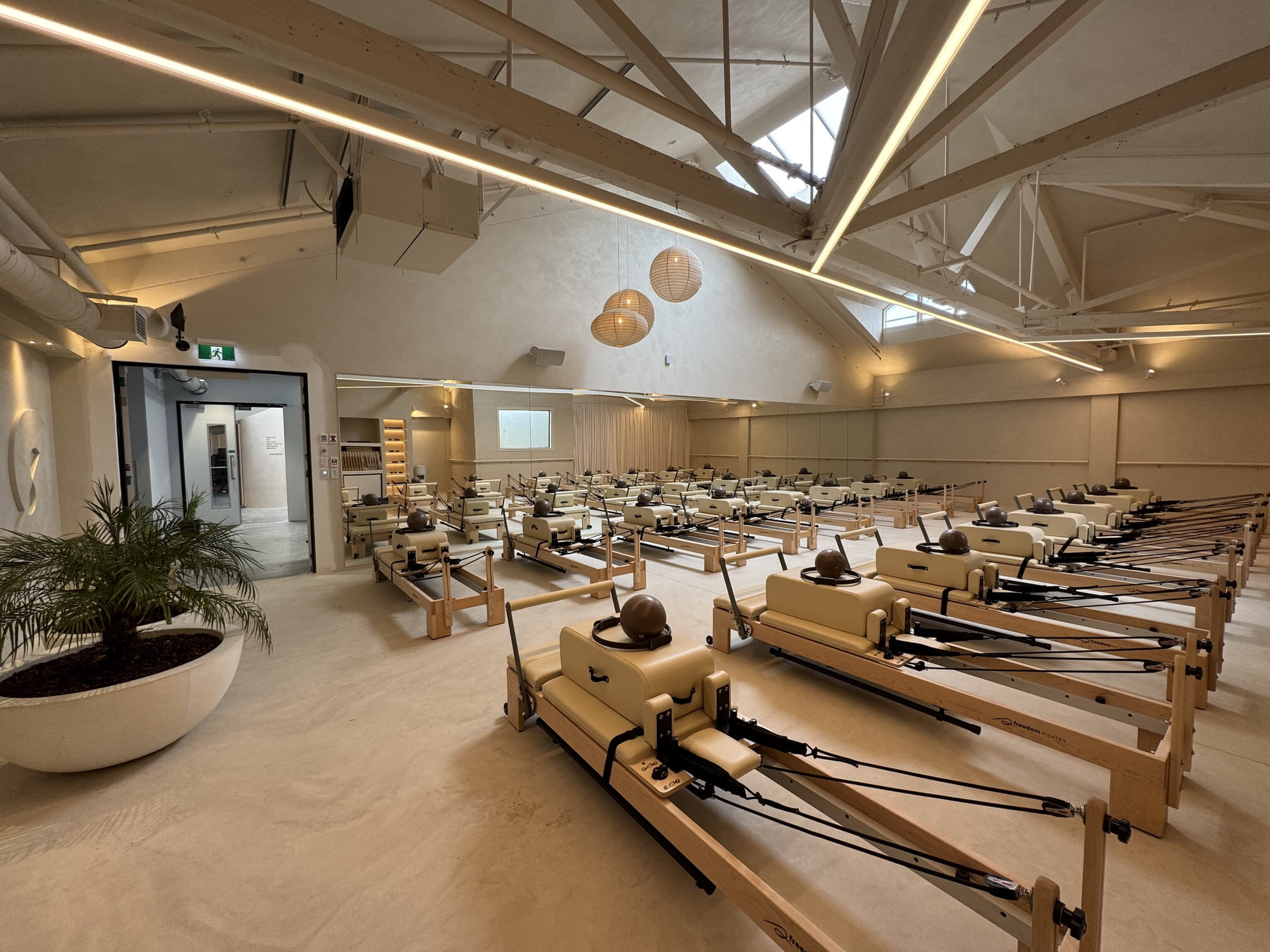
Sound is central to the gym experience. A spin class needs a different energy from a recovery room. The cardio floor should not feel the same as a reception area or a Pilates studio.
That is why multi-zone audio is so important. It allows each area of the facility to have the right sound profile, rather than forcing one volume and one source across the whole venue.
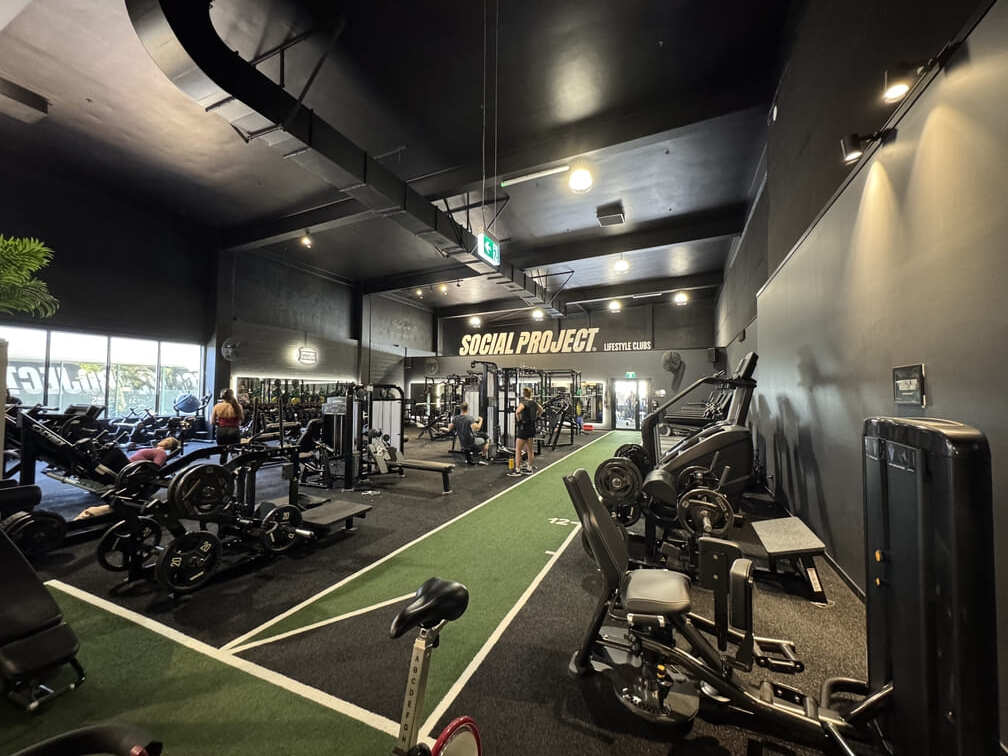
You can see how that works in real projects like Fitness Cartel Manukau and The Social Project Wellington CBD, where audio was designed around how each part of the space is actually used.
If this is an area you want to understand in more depth, Introducing Acoustic Fit-Outs for Gyms: Helping Gyms Sound as Good as They Look is a strong supporting read because it explains why sound design matters so much in fitness spaces.
Digital displays and visual content
Modern gyms need more than posters on the wall. Displays help communicate class schedules, membership messaging, branded visuals, training content, and live information throughout the facility.
Screens also help the space feel more current and more connected. In some gyms, they support cardio areas and workout content. In others, they reinforce the brand, support staff communication, or improve wayfinding around the venue.
That is part of what made Fitness Cartel Manukau and BlueFit Gym Orewa strong examples of smart gym integration. The display systems were not just there for decoration. They supported the wider member experience.
Access control and security
For many fitness clubs, especially those offering extended hours or 24/7 access, security is not optional. Members need to feel safe, and operators need confidence that the space is being monitored properly.
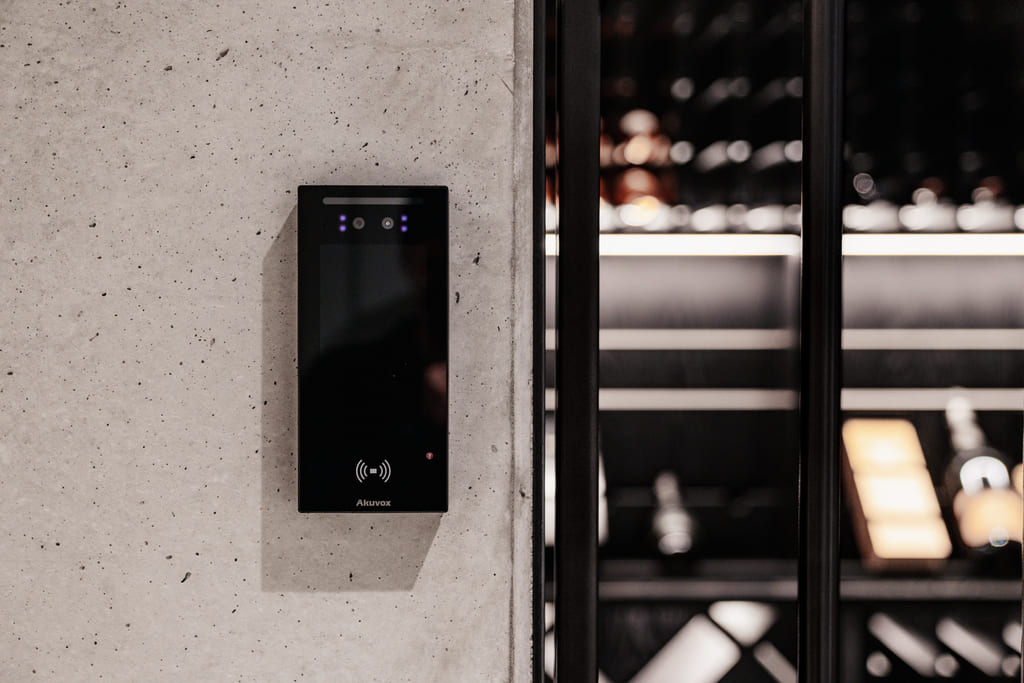
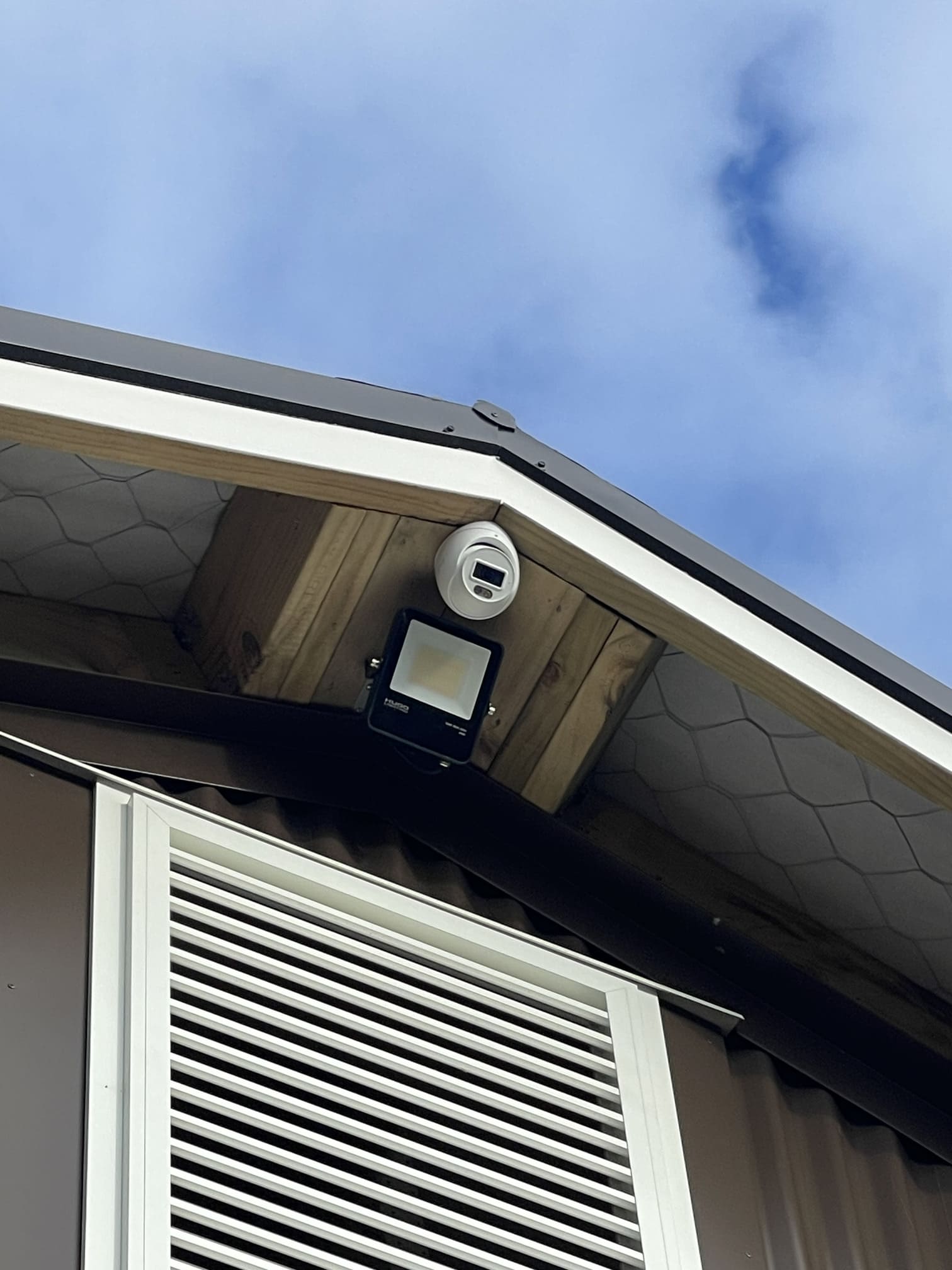
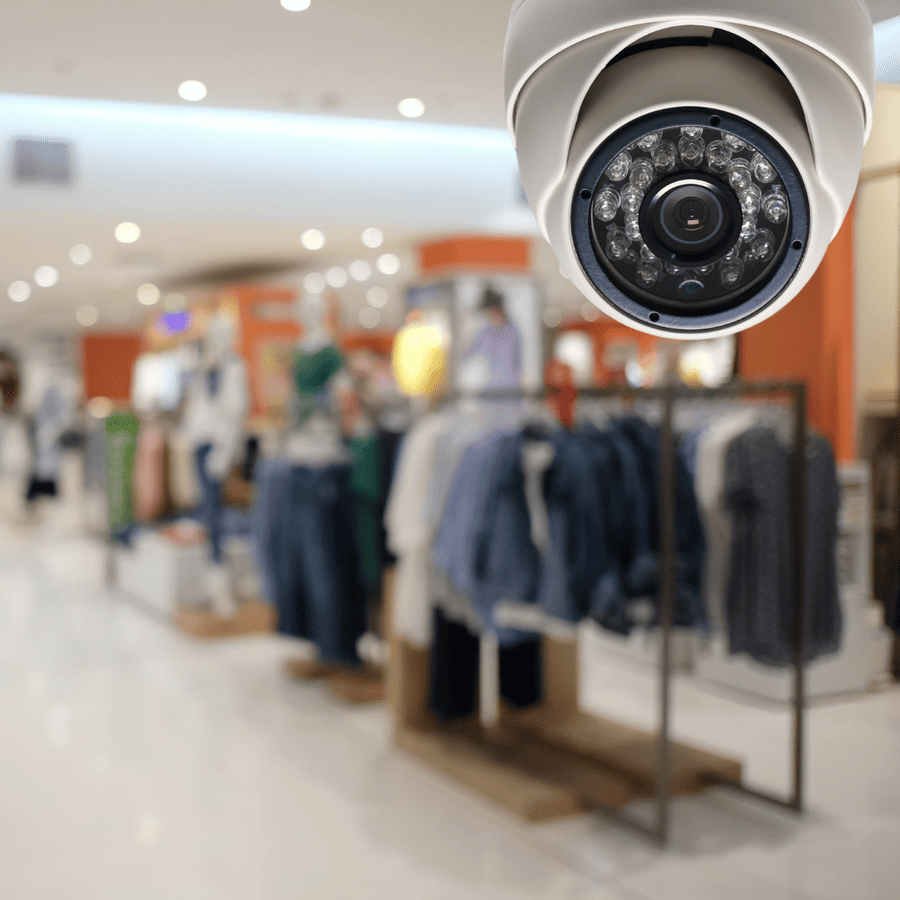
A strong setup usually includes access control, alarms, CCTV, and entry systems that work together rather than independently. That creates a smoother member experience while also giving the business stronger visibility and control.
This is a big part of projects like The Social Project Porirua and The Social Project Wellington CBD, where integrated AV, CCTV, alarm, and access control systems helped create facilities that are easier to run and more secure to use.
If security is part of your wider planning, Safe N Sound’s security systems and access control solutions should be considered early, not left until the end.
Smart member experience features
Some gyms now go much further than standard AV and access systems. They are starting to use smart features to create a more personalised, more efficient member journey.
That can include:
- member wristbands
- smart lockers
- body scan rooms
- automated controls
- integrated displays
- personalised access to different spaces
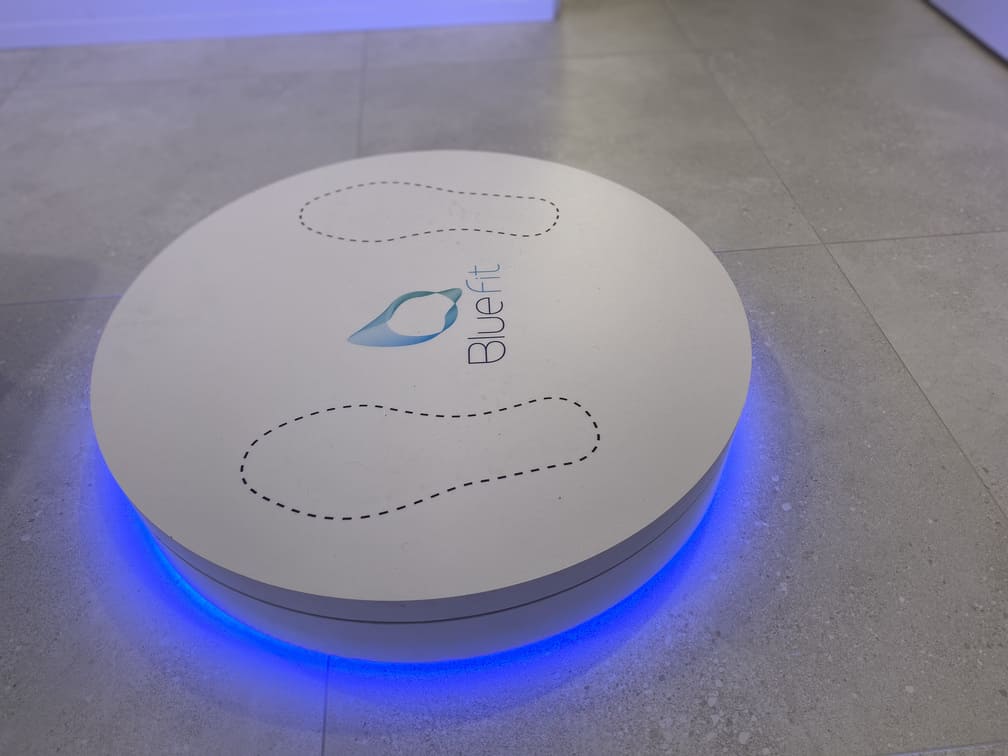
BlueFit Gym Orewa is a strong example of that shift. The project brought together Control4 automation, smart lockers, member recognition, a 3D body scan room, digital displays, and broader gym technology into one connected environment.
That kind of integration does more than look impressive. It makes the facility easier to operate and gives members a more seamless experience from entry to workout to exit.
Reliable network and Wi-Fi infrastructure
This part gets overlooked surprisingly often.
A smart gym depends on strong connectivity. Displays, access systems, smart lockers, body scanning, cardio screens, staff controls, streaming, and member-facing technology all rely on the network behind them.
If that network is weak, the whole experience suffers. That is why Wi-Fi and networking should be treated as core infrastructure, not an afterthought.
In projects like BlueFit Gym Orewa, the network had to support not just guest use, but the wider digital ecosystem of the facility. That is increasingly the standard for modern gyms rather than the exception.

What gym owners and operators gain from better integration
A better gym technology setup helps both sides of the business.
For members
The benefits are easy to feel:
- stronger atmosphere
- easier access
- smoother class and workout experience
- clearer information
- more polished spaces
- a more modern overall brand experience
For staff and operators
The operational side matters just as much:
- simpler day-to-day control
- fewer disconnected systems
- easier monitoring
- better security
- more scalable infrastructure
- less friction during events, classes, and busy periods
That is where integrated design becomes especially valuable. Instead of managing separate audio, display, security, and connectivity systems in isolation, the venue can run more smoothly through one coordinated approach.
Common mistakes gyms make with technology
There are a few mistakes that come up often when gyms upgrade their systems.
Treating speakers as the whole solution
Good sound is not just about installing speakers. Coverage, zoning, control, and acoustics all matter.
Leaving security until late in the project
Access control, alarms, and CCTV should be planned properly from the start, especially in facilities that operate long hours or across multiple zones.
Underestimating the network
Weak Wi-Fi or poor network design can create constant frustration once displays, access systems, and digital tools are added.
Adding technology without thinking about the member journey
The best gym technology supports the way people move through the space. It should not feel bolted on.
Using too many disconnected systems
When audio, displays, access, automation, and controls all sit separately, the facility becomes harder to manage rather than easier.
Real gym and wellness projects
If you want to see how this works in real facilities, these are strong examples.
At The Social Project Wellington CBD, Safe N Sound delivered integrated AV, CCTV, alarm, and access control for a premium lifestyle club designed to support both member experience and day-to-day operation.
At The Social Project Porirua, the focus was again on integrated AV and security systems, helping the club operate more smoothly while maintaining a polished environment.
At Fitness Cartel Manukau, multi-zone audio, digital displays, and intuitive controls helped create a stronger, more immersive gym environment across multiple spaces.
At BlueFit Gym Orewa, the integration went even further, bringing together smart gym features, access systems, member recognition, displays, premium sound, lighting, and network infrastructure into one connected platform.
Together, these projects show how modern gym technology can support atmosphere, efficiency, security, and long-term flexibility.
Why integrated delivery matters in fitness spaces
Gyms are one of the clearest examples of why integrated delivery matters.
If one provider handles audio, another handles security, another handles screens, and someone else deals with networking, the end result can feel fragmented. Each system may work on its own, but the overall facility can still feel harder to manage than it should.
A more joined-up approach usually leads to:
- simpler controls
- stronger reliability
- cleaner installation
- better support later
- fewer gaps between systems
That is a big part of what Safe N Sound brings to these projects. The goal is not just to install products. It is to make the whole space work better.
Frequently Asked Questions (FAQs)
Planning a gym or wellness facility upgrade?
If you are building a new gym, upgrading an existing club, or trying to improve the member experience through better technology, it helps to plan the systems early.
Safe N Sound works with gym owners, wellness operators, builders, and design teams to bring together AV, access control, security, automation, and Wi-Fi into one coordinated solution. When the technology is planned properly, the result is a facility that feels stronger for members and easier for staff to run.






[…] these systems can be standalone or fully integrated, businesses can connect them with CCTV, alarm, or automation networks for extra […]