
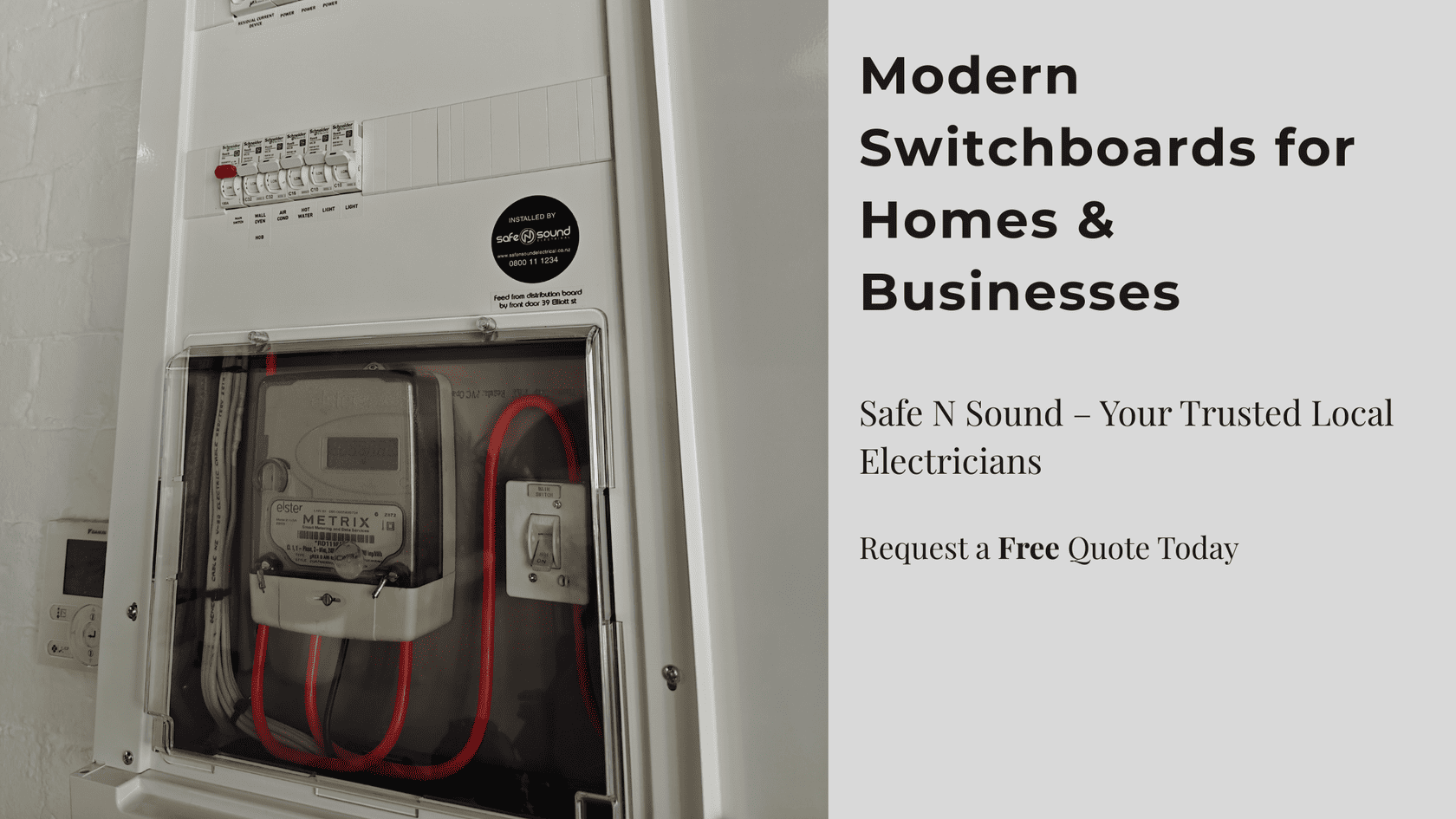
Most people do not think about their switchboard until something starts going wrong. A circuit keeps tripping. Lights flicker when appliances are running. A fuse blows. Or an electrician points out that the board is old and no longer suited to the way the property is being used.
That is why switchboard upgrades matter. Your switchboard is the control centre of your electrical system. It distributes power throughout the property and helps protect people, appliances, and wiring when faults occur. When it is outdated, overloaded, or no longer compliant, it can create real safety risks and make it harder for the rest of the electrical system to perform properly.
If you are planning a renovation, adding high-demand appliances, or simply unsure whether your current board is still fit for purpose, this guide will help you understand what a switchboard upgrade involves and why it matters.
.
What a switchboard does
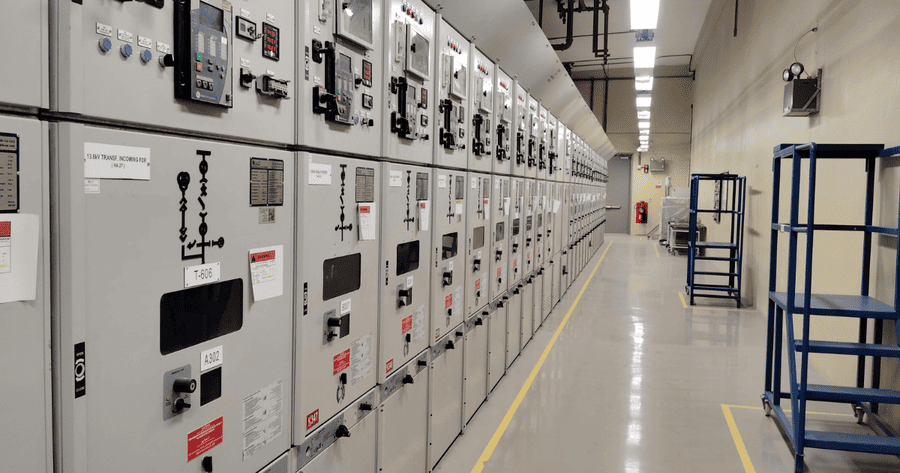
Your switchboard is the point where electricity is distributed across the different circuits in your home or business.
That includes things like lighting, power points, kitchen appliances, hot water, heating, air conditioning, and any higher-demand systems installed later. Modern switchboards also include safety devices such as circuit breakers and RCDs, which help cut power quickly if something goes wrong.
In simple terms, the switchboard does two jobs at once. First, it distributes electricity where it needs to go. Second, it helps protect the building and the people inside it.
That is why it becomes such an important issue when the board is old, overloaded, or not aligned with current electrical standards.
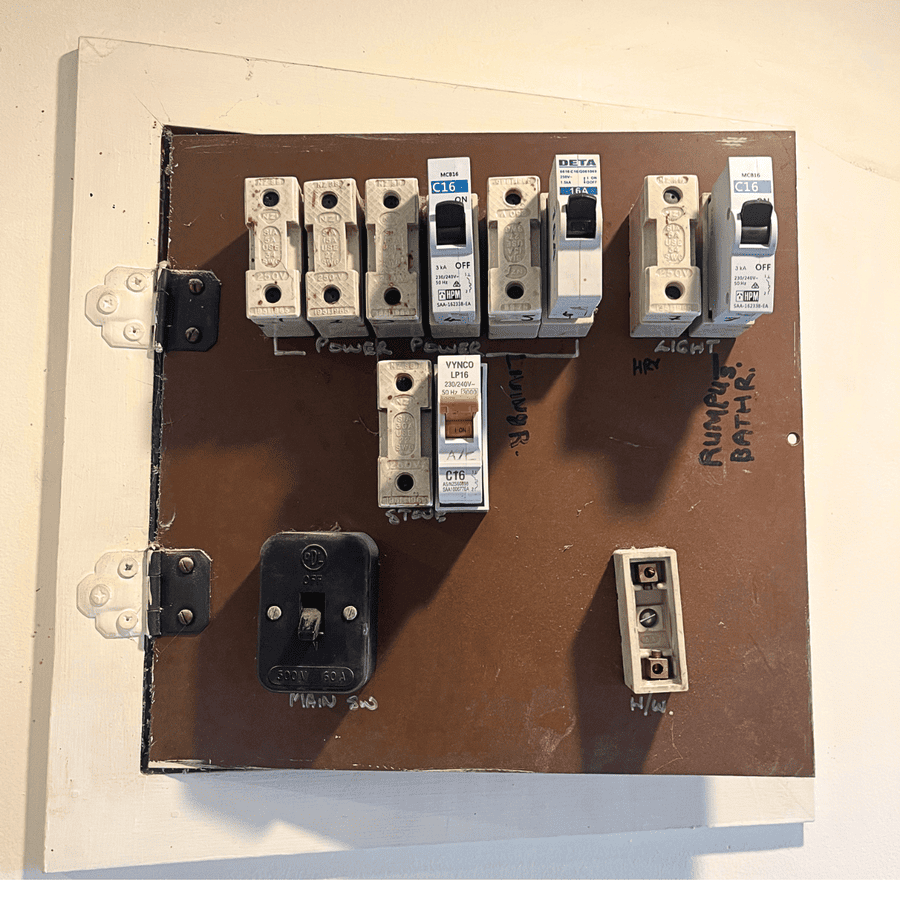
Why older switchboards can become a problem
Many older properties in New Zealand still have switchboards that were not designed for modern electrical demands.
That matters because the way we use electricity has changed. Homes and businesses now run more devices, more technology, and more high-load appliances than they did even a decade or two ago. Heat pumps, EV chargers, home entertainment systems, smart home features, office equipment, spa pools, and stronger kitchen loads all place more pressure on the system.
As a result, an older switchboard may struggle to keep up. In some cases, it becomes a safety issue. In others, it simply becomes a weak point in a property that is otherwise being upgraded.
This is especially important when electrical upgrades sit alongside wider projects such as smart home automation, Wi-Fi and networking, or broader renovation work. The stronger those systems become, the more important the electrical foundation is.
Signs you may need a switchboard upgrade
Sometimes the warning signs are obvious. Other times, they build up slowly.
Here are some of the most common signs that a switchboard may need attention:
- circuits trip frequently
- lights flicker when larger appliances are running
- the board still uses old ceramic fuses
- there are signs of overheating or a burning smell
- the property is adding higher-demand systems such as EV chargers, spas, or major new appliances
- the switchboard no longer reflects the current use of the building
- an electrician has flagged non-compliance or limited capacity
One sign on its own does not always mean the whole board must be replaced. However, if several of these issues are showing up together, it is usually worth having the system assessed properly.
The risks of leaving an outdated switchboard in place
It is easy to put off a switchboard upgrade because the board is not something you interact with every day. However, leaving an old or overloaded switchboard in place can create more serious problems over time.
Fire risk
Overheating, worn components, and poor connections can increase the risk of electrical fire.
Damage to appliances and devices
Older or unstable systems may be more vulnerable to faults and power issues that affect electronics, appliances, and connected technology.
Compliance issues
Some older systems may no longer meet current New Zealand safety expectations, especially if the property has changed significantly since the board was first installed.
Insurance complications
If a fault is linked to an outdated or non-compliant electrical setup, it can complicate claims and create avoidable stress later.
Limited ability to upgrade the property
Even if the current setup is “getting by”, it may not be ready for future additions such as EV charging, automation, extra circuits, or larger renovation plans.
In other words, the issue is not just whether the board still works. It is whether it still works safely and suitably for the property today.
What a modern switchboard upgrade gives you
A modern switchboard does more than replace old parts. It creates a stronger, safer foundation for the whole property.
Better safety
Modern switchboards use updated protection devices such as circuit breakers and RCDs, which respond much faster to faults.
More capacity
If the property is adding higher-load devices or expanding its electrical demands, a modern board is far better equipped to support that.
Better reliability
A newer system can reduce nuisance tripping, improve distribution, and help the wider electrical setup work more consistently.
Better support for future upgrades
This becomes especially useful if you are planning further work later, whether that means new appliances, smart home features, more outdoor power, or broader electrical improvements.
Greater peace of mind
A well-installed, compliant switchboard gives homeowners and business owners more confidence that the property is safer and better prepared for modern use.
The main switchboard options
Not every project is the same. Sometimes the right answer is a full replacement. In other cases, the work may involve a new main board, an added sub-board, or a more specific upgrade depending on the property.
Switchboard upgrades
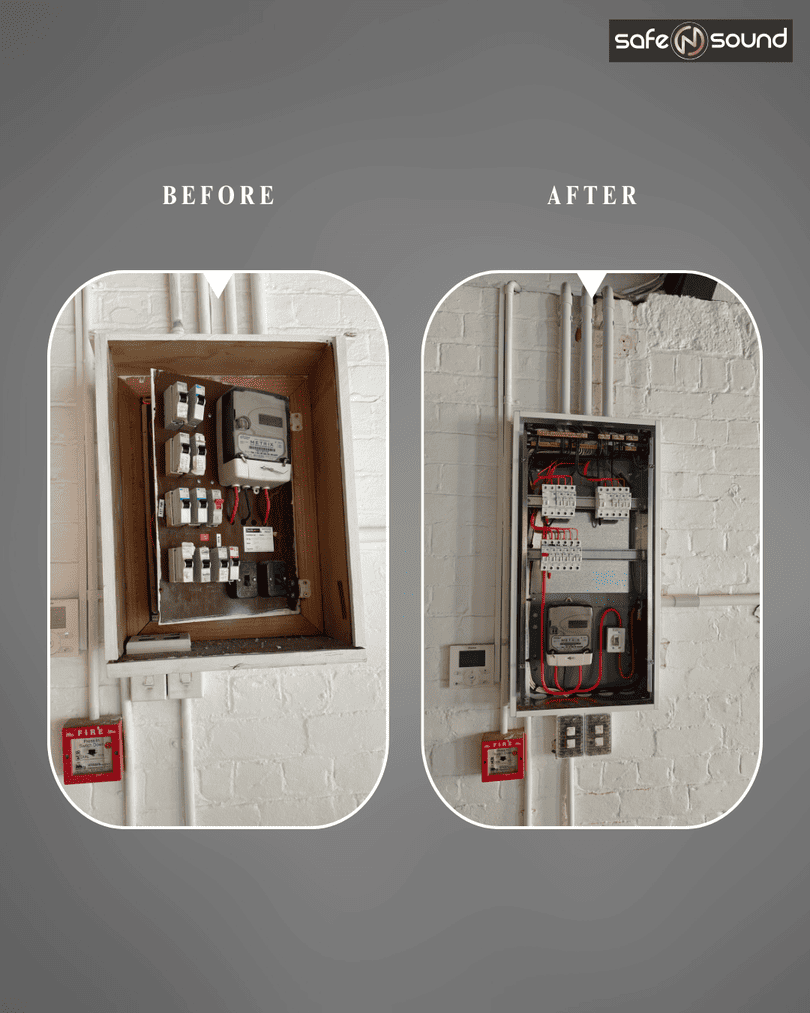
This is the most common scenario for existing homes and businesses. An older board is upgraded with modern protective devices and better capacity so it can support current electrical use more safely.
Main switchboard installation
For new builds, major redevelopments, or significant renovations, a new main switchboard may be required as part of the wider electrical design.
Electrical sub-board installation
In larger homes and commercial spaces, a sub-board can help distribute load more effectively and reduce pressure on the main board. This is often useful where the layout is more complex or where certain parts of the property have distinct power needs.
When switchboards matter most in wider projects
Switchboard work becomes especially important in projects where the property is already being improved in other ways.
For example, if you are renovating a home, adding smart home technology, improving security systems, or upgrading audio-visual systems, the electrical system underneath those upgrades needs to be able to support them properly.
This is one reason integrated planning matters. If the electrical side is ignored until late in the project, the rest of the work may end up constrained by the very system that powers it.
That broader thinking is also why pieces like One Team for Electrical, AV, Security and Wi-Fi matter. The most successful upgrades usually happen when the systems are planned together rather than in isolation.
Common mistakes people make
There are a few mistakes that come up often around switchboard upgrades.
Waiting until there is a fault
Many upgrades happen only after something has already failed. That usually means more stress and less flexibility than if the issue had been addressed earlier.
Assuming an old board is fine because “it still works”
A switchboard can still function while no longer being well suited to the property. Age, design, capacity, and compliance all matter.
Upgrading appliances without checking the board
Adding heat pumps, EV chargers, spas, or major kitchen appliances changes the load on the system. The board should be considered as part of that decision.
Treating the switchboard as separate from the rest of the project
Electrical capacity affects everything else. If the property is being upgraded in other ways, the switchboard often needs to be part of the same conversation.
Real projects where the electrical foundation mattered
You can already see the importance of stronger electrical planning in projects like Grey Lynn Project, where a full electrical upgrade supported a wider smart home, AV, security, and network integration.
The same thinking matters in projects such as Karaka Lifestyle Home and Matakana Paradise, where the home’s electrical infrastructure needed to support more than just basic day-to-day use.
Even in newer homes, the electrical side still matters if the goal is to support long-term technology, reliability, and future upgrades.
Why professional assessment matters
A switchboard is not an area where guesswork helps.
A proper assessment looks at:
- the age and condition of the current board
- what the property is using now
- what it may need to support in future
- whether the current protection is suitable
- whether the system remains compliant and safe
That is why it is worth working with experienced electricians rather than treating the issue as a quick swap. This is also where related topics such as [Expert Commercial Electricians in Auckland], [Electrical Safety Tips: Protect Your Family and Property], and [Electrical Engineer vs. Electrician: Who Do You Really Need?] naturally support the wider conversation, even if they are more specific articles on their own.
Frequently Asked Questions (FAQs)
Planning an electrical upgrade?
If your property is showing signs of strain, using an older board, or preparing for a renovation or technology upgrade, the switchboard is one of the most important places to start.
Safe N Sound helps homeowners and businesses assess whether their existing board is still fit for purpose and what kind of upgrade makes sense for the property. When the electrical foundation is right, the rest of the system becomes safer, more reliable, and easier to build on.










[…] were originally designed for. If you want a broader look at when your system may need an upgrade, The Complete Guide to Switchboard Upgrades in Auckland is a useful place to start. This article focuses on practical electrical safety steps you can take […]
[…] heating you already have. If your home is also showing signs of electrical strain during winter, The Complete Guide to Switchboard Upgrades in Auckland is a useful next step. This article focuses on everyday ways NZ homeowners can stay comfortable […]
[…] If you want a broader look at when a home may need electrical capacity or switchboard attention, The Complete Guide to Switchboard Upgrades in Auckland is a helpful place to start. This article focuses more specifically on residential electrical […]