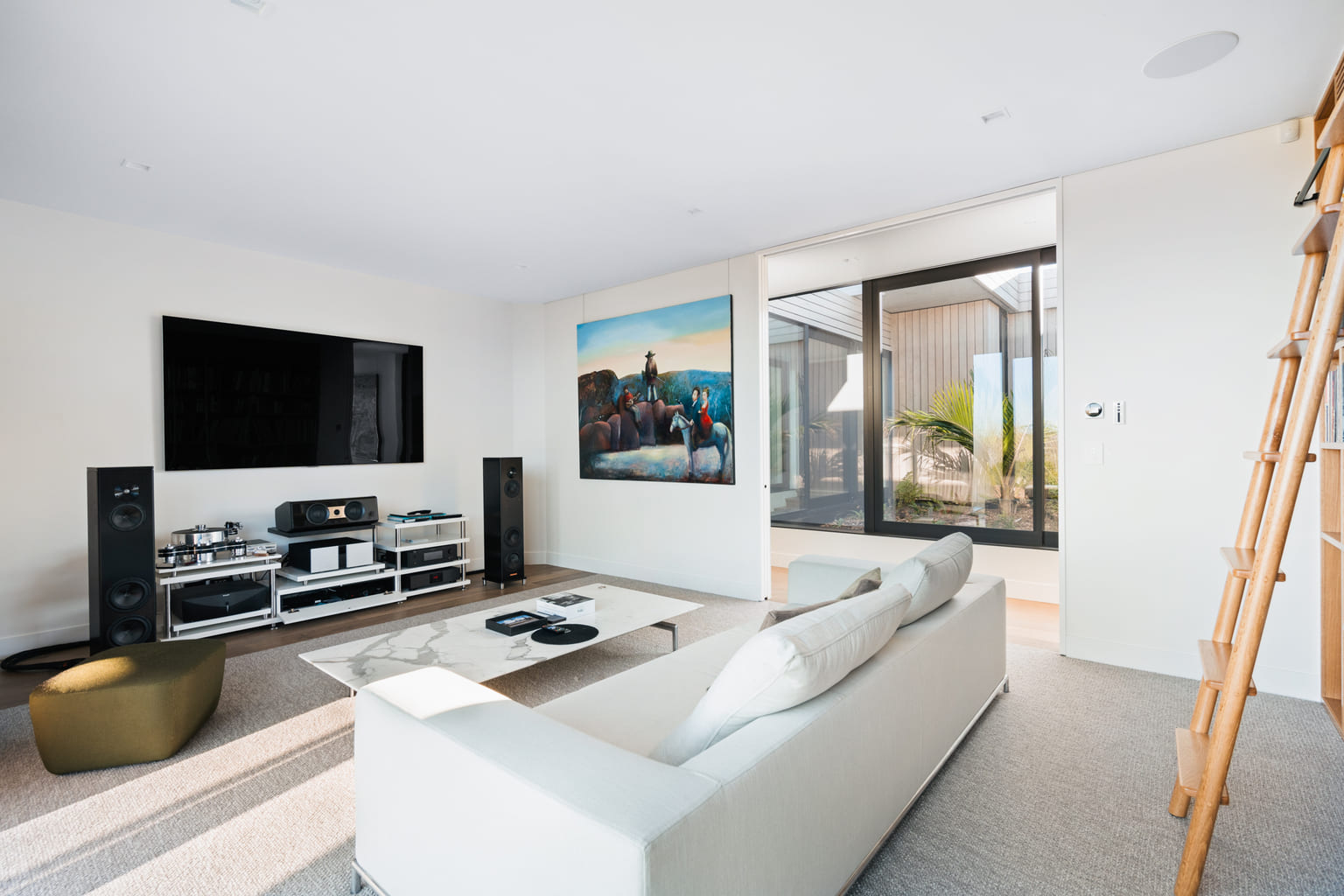
You move into a new home and discover speakers built into the ceilings, wall controls in several rooms and a cupboard filled with unfamiliar equipment.
There are no manuals, no labels and no obvious way to turn anything on.
Although the system may appear outdated or unusable, that does not necessarily mean everything needs to be removed. In many homes, the speakers, cabling and other hidden infrastructure can still be useful. The real issue is often an ageing control system, disconnected equipment or a setup that was never properly handed over to the new owner.
A structured assessment can show what still works, what should be replaced and how the system can be made simpler to use.
Why built-in home audio systems become difficult to use
Built-in audio systems often remain in a property long after the person who originally installed or commissioned them has moved on.
Several common problems can turn a working system into “mystery technology”.
Missing documentation
The new homeowner may receive no equipment list, wiring plan or instructions explaining which speakers belong to each room.
Unlabelled equipment
Amplifiers, cables, wall plates and network equipment may all be connected, but nothing clearly identifies what each component controls.
Outdated control technology
Older keypads, remotes or apps may no longer work with current phones, streaming services or home networks.
Changes to the home network
Replacing the router or Wi-Fi system can disconnect audio streamers, control processors and other devices that rely on the network.
Failed or disconnected equipment
Sometimes only one component has stopped working. However, without testing the system properly, it can appear as though the entire installation has failed.
The result is often a home filled with built-in speakers that never get used, even though much of the original infrastructure may still have value.
Step 1: Find out what is already installed
Before purchasing new equipment, the first step is to understand the existing system.
A professional assessment should create a clear picture of how audio moves through the home.
Identify the speakers and audio zones
Each room should be tested to determine:
- which speakers are connected
- which speakers are working correctly
- how many separate audio zones exist
- whether volume controls or wall keypads are still connected
- where each speaker cable returns to the equipment rack
This process creates a practical map of the system.
Inspect the equipment rack or cupboard
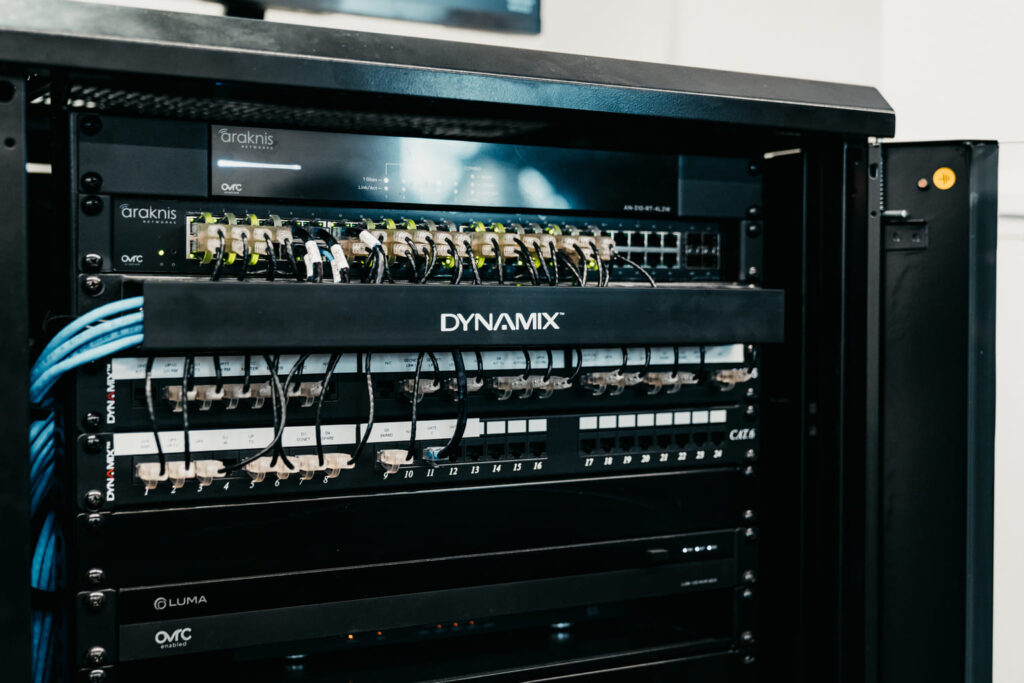
The next step is identifying the components that control the audio.
These may include:
- amplifiers
- audio matrices
- streaming devices
- control processors
- receivers
- network switches
- power supplies
Some equipment may still work perfectly well. Other components may be obsolete, damaged or incompatible with the way you want to listen to music today.
Check the wiring and connections
Speaker cabling can often remain useful for many years, provided it is in good condition and correctly installed.
Testing helps establish whether the issue sits with the speakers, the wiring or the equipment supplying the audio signal. Once the cables have been traced, they should also be labelled clearly so future maintenance is easier.
Step 2: Decide what can be reused
A good upgrade does not automatically mean replacing everything.
Depending on the age and condition of the system, it may be possible to retain:
- in-ceiling or in-wall speakers
- existing speaker cabling
- equipment racks and wall plates
- selected amplifiers
- wiring between rooms
- some wall controls
The parts most likely to need updating are usually the sources and controls. These are the components responsible for streaming music, selecting rooms and allowing the homeowner to operate the system.
The aim should be to keep the infrastructure that still performs well while replacing the parts that make the system unreliable or confusing.
Step 3: Choose the right level of upgrade
Once the existing equipment has been assessed, there are usually three possible directions.
Restore the existing system
A basic restoration may be suitable when most of the equipment is still working.
This could involve:
- reconnecting loose equipment
- replacing a failed component
- reconfiguring the network
- relabelling cables and rooms
- providing clearer operating instructions
This approach can work well when the homeowner simply wants the original system functioning again.
Modernise the audio and controls
If the speakers and wiring are usable but the control system is outdated, the most valuable improvement may be replacing the “brains” of the installation.
A modernised system could provide:
- current music-streaming options
- mobile or tablet control
- clearly named rooms and audio zones
- easier source selection
- more reliable volume control
- integration with televisions or media rooms
Safe N Sound’s multi-room audio service focuses on distributing audio across different areas while keeping day-to-day control straightforward.
Integrate it with a wider smart home
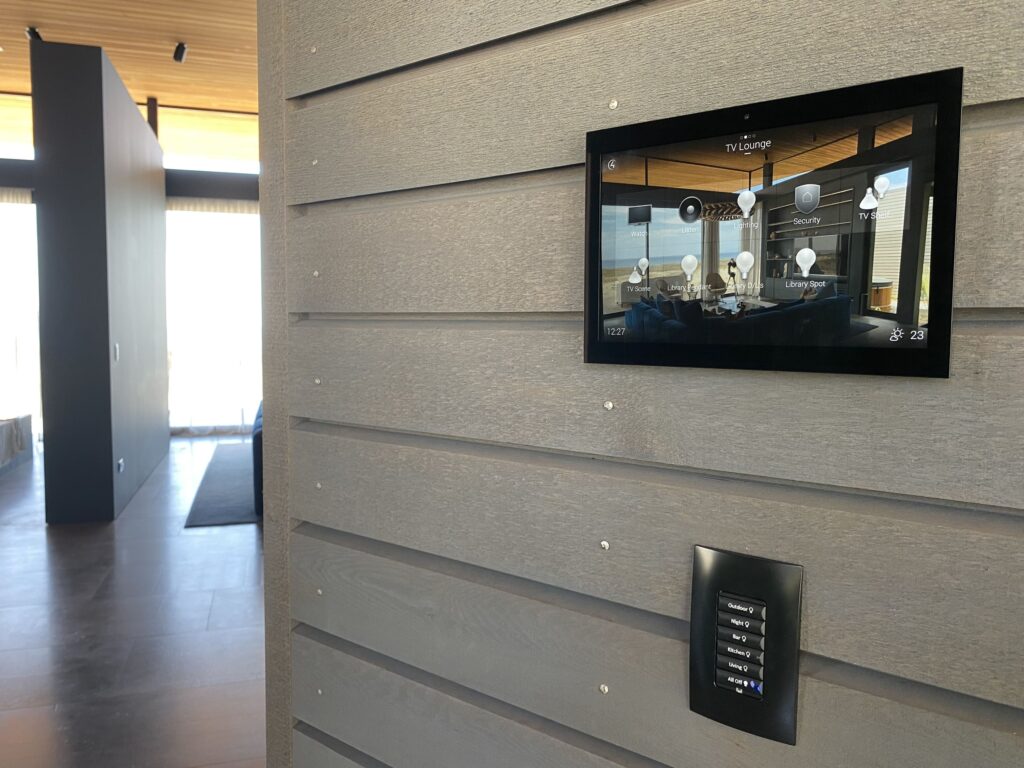
The inherited audio system may also become part of a broader home automation upgrade.
Audio can work alongside:
- lighting scenes
- televisions and home theatre
- automated blinds
- security systems
- heating and climate controls
- touchscreens and wall keypads
Safe N Sound’s Smart Home Technology Guide for NZ Homes explains how automation, AV, security, lighting and Wi-Fi can be planned as one coordinated home system.
Make the system easier to control
The most common frustration with inherited audio is not necessarily poor sound. It is not knowing how to use the system.
A successful upgrade should remove unnecessary steps rather than adding more technology.
That may mean:
- using one app instead of several
- replacing multiple remotes with one control
- naming rooms clearly
- creating simple listening presets
- keeping normal wall controls easy for visitors to understand
- providing a basic system guide for the household
For example, instead of selecting an amplifier, source and speaker output separately, the homeowner might simply choose Kitchen, Living Room or Outdoor Area.
The technology behind the system may be sophisticated, but the experience should feel simple.
Prioritise the rooms you use most
You do not always need to upgrade every audio zone at once.
If the home has speakers across many rooms, it may make sense to begin with the areas that receive the most use, such as:
- the kitchen and main living space
- outdoor entertaining areas
- the primary bedroom
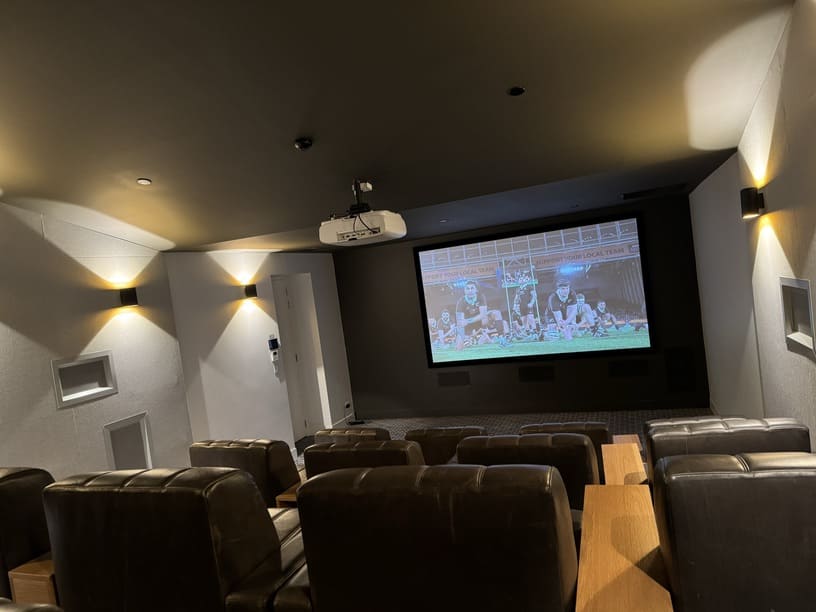
- a media room or home theatre
- an open-plan dining area
Secondary bedrooms, hallways or less frequently used areas can be addressed later.
A phased approach allows you to improve the most valuable areas first while still planning for the wider system.
Do not overlook the home network
Modern audio systems often depend on a stable home network for streaming, control and communication between devices.
A system may appear unreliable when the real issue is weak Wi-Fi, outdated network equipment or poor coverage around the property.
During the assessment, it is worth checking whether:
- the equipment rack has a reliable network connection
- wireless coverage reaches the main listening areas
- streaming devices remain connected consistently
- the network can support future smart home additions
Fixing the network can sometimes solve problems that initially appear to be faults within the audio system itself.
A real example of connected home audio
The Mangatāwhiri smart home project shows how audio can form part of a wider connected-home experience.
The property brings together Control4 automation, AV, security, lighting control and whole-home Wi-Fi through a coordinated system. Rather than operating as separate pieces of technology, the systems support the way the home is used day to day.
The same principle can be applied when modernising an inherited system. The project does not have to begin as a complete new build. Existing infrastructure can be assessed and incorporated where it still makes sense.
When is an inherited audio system worth fixing?
Restoring or upgrading the system may be worthwhile when:
- speakers are already positioned in useful rooms
- the existing cabling remains in good condition
- replacing the hidden infrastructure would cause unnecessary disruption
- you want simple whole-home music
- the system only needs updated controls or streaming equipment
- you are planning a wider renovation or smart home upgrade
However, replacement may be more practical if the equipment is damaged, the speaker layout no longer suits the home or the wiring cannot support the intended system.
The assessment should help you make that decision before committing to new equipment.
Built-in audio is not only for luxury homes
A multi-room sound system does not need to be large or complicated to be useful.
A smaller home with speakers in the kitchen, living room and outdoor area can still benefit from:
- easier music control
- fewer visible speakers and cables
- better sound across shared spaces
- audio that follows the household throughout the day
The value comes from how well the system supports daily life, not from the number of rooms or the amount of equipment installed.
Frequently Asked Questions
Bring your built-in speakers back to life
Inherited speakers do not have to remain silent simply because the controls are unclear or the equipment looks outdated.
By mapping the existing system, testing what still works and upgrading only where necessary, it may be possible to turn an unused installation into a practical, modern audio system.
Safe N Sound can assess the speakers, wiring, equipment and network before outlining options for restoration, modern streaming or wider smart home integration. The result should be a system that fits the way you live now and is simple enough for the whole household to use.
Need Help with an Inherited Home Audio System?
Not sure what still works or where to begin? Safe N Sound can assess your built-in speakers, wiring, equipment and home network, then recommend the most practical way to restore or modernise the system.
Whether you need a simple audio upgrade or want to connect it with a wider smart home system, our team can help you make better use of the technology already in your home.
Book a residential consultation with Safe N Sound to discuss your existing system and the best next step.