Electricity powers almost everything in a modern home, from lighting and kitchen appliances through to heating, Wi-Fi, and smart technology. Because of that, electrical safety is not something to leave to chance. A few simple checks can help reduce risk, protect your property, and make it easier to spot when something needs professional attention.
For homeowners in New Zealand, this matters even more in older homes, renovated properties, and houses that now carry more electrical demand than they were originally designed for. If you want a broader look at when your system may need an upgrade, The Complete Guide to Switchboard Upgrades in Auckland is a useful place to start. This article focuses on practical electrical safety steps you can take around the home.
Why electrical safety matters
Most electrical problems do not begin with something dramatic. They usually start with smaller warning signs that are easy to overlook.
That might be a warm outlet, a loose power point, an overloaded power board, or a circuit that trips more often than it should. On their own, those issues may seem minor. However, over time they can point to a wider problem with the way the home is wired or how much strain the system is under.
Good electrical safety is really about paying attention early, before a small issue becomes a serious one.
Check outlets and cords regularly
Power points, plugs, and cords are some of the easiest places to spot early warning signs.
Loose outlets, damaged cords, and visible wear can all create safety risks if they are ignored. In some cases, they may suggest a wider issue behind the wall rather than a problem with the surface fitting alone.
It is worth checking for:
- frayed or cracked cords
- loose or damaged outlets
- discolouration around plugs or switches
- outlets that feel warm when in use
- sparking or unusual smells
If anything looks damaged or feels unsafe, it is best not to keep using it. That is the point where a qualified electrician should step in rather than trying to manage the issue yourself.

Avoid overloading outlets and power boards
verloading is one of the most common household electrical risks.
This usually happens when too many devices are plugged into one area, especially where higher-demand appliances are involved. Heaters, kettles, dryers, and other larger appliances can place more strain on a circuit than many people realise.
A few simple habits can reduce the risk:
- avoid plugging too many devices into one outlet or power board
- be careful with high-load appliances in older homes
- spread devices across different areas where possible
- pay attention if a circuit trips regularly
If your home is frequently tripping circuits or struggling in certain areas, that may be a sign the electrical setup needs to be reviewed rather than simply worked around.
Use the right electrical protection where it matters most
Certain parts of the home carry higher electrical risk, especially areas where water and electricity are close together.
That includes spaces such as:
- kitchens
- bathrooms
- laundries
- garages
- outdoor areas
Safety devices like RCD protection play an important role in reducing the risk of electric shock. While the technical side should always be handled by a licensed professional, it is useful for homeowners to understand that these protections are there for a reason.
If your home is older or has been updated over time in stages, it may be worth having a professional check whether the right protections are in place.

Make homes safer for children
If children are in the home, electrical safety needs extra attention.
Young children are naturally curious, which means power points, cords, and appliances can quickly become hazards if they are left exposed or easy to reach.
Simple steps include:
- using outlet covers where appropriate
- keeping cords tidy and out of reach
- avoiding loose extension leads in family areas
- teaching children basic electrical safety as they grow
These steps do not replace safe electrical work, but they do help reduce day-to-day risk.
Be careful with extension cords
Extension cords are useful, but they are meant to be a short-term solution, not permanent wiring.
When extension cords are used constantly, run under rugs, or overloaded with multiple devices, they can become a heat and fire risk. This is especially common in homes where there are not enough power points for the way the space is now being used.
A safer approach is to:
- use extension leads temporarily rather than permanently
- avoid running cords under carpets or furniture
- keep them in open, ventilated areas
- replace damaged or worn leads immediately
If you are relying on extension cords in the same spot all the time, it may be time to have additional outlets installed properly.
Give appliances enough space and ventilation
Electrical safety is not only about wiring and outlets. Appliances also need space to operate safely.
Heat-producing appliances can become a problem if they are packed into enclosed spaces or surrounded by flammable materials. Good air circulation helps reduce the risk of overheating and improves performance.
It is worth checking that:
- appliances have enough space around them
- vents are not blocked
- cupboards are not overloaded with heat-generating devices
- flammable items are kept well clear of electronics and appliances
These are simple checks, but they make a practical difference.
Know when to call an electrician
Some issues should never be left as a wait-and-see situation.
It is worth calling a professional if you notice:
- frequent tripping
- flickering lights
- burning smells
- hot outlets
- sparking
- unexplained power loss
- an older switchboard or fuse setup that has not been reviewed in years
For homes across Auckland and wider New Zealand, this is especially important where renovations, rewiring, or connected technologies have added more demand to the system over time. Safe N Sound’s Electrical service covers upgrades, repairs, inspections, and wider electrical work to help keep homes safer and better prepared for modern use.
A real example of why the electrical foundation matters
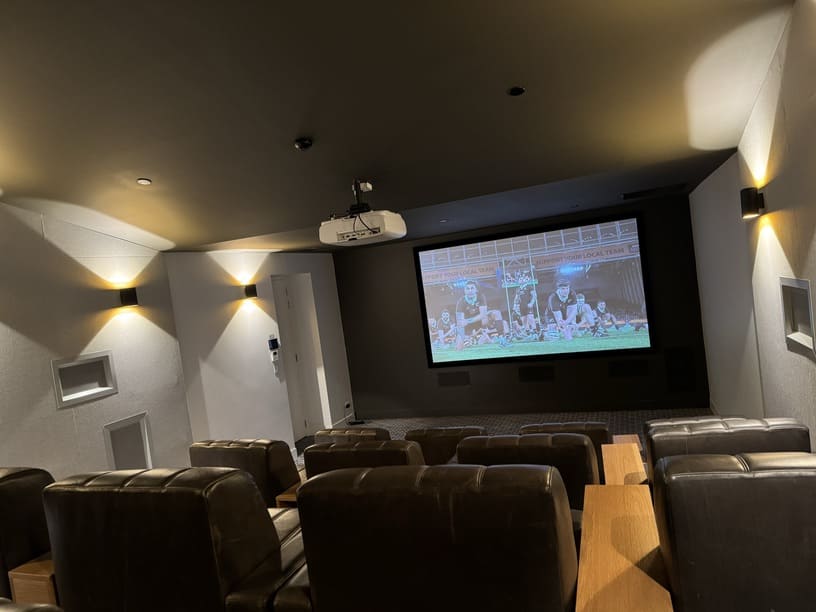
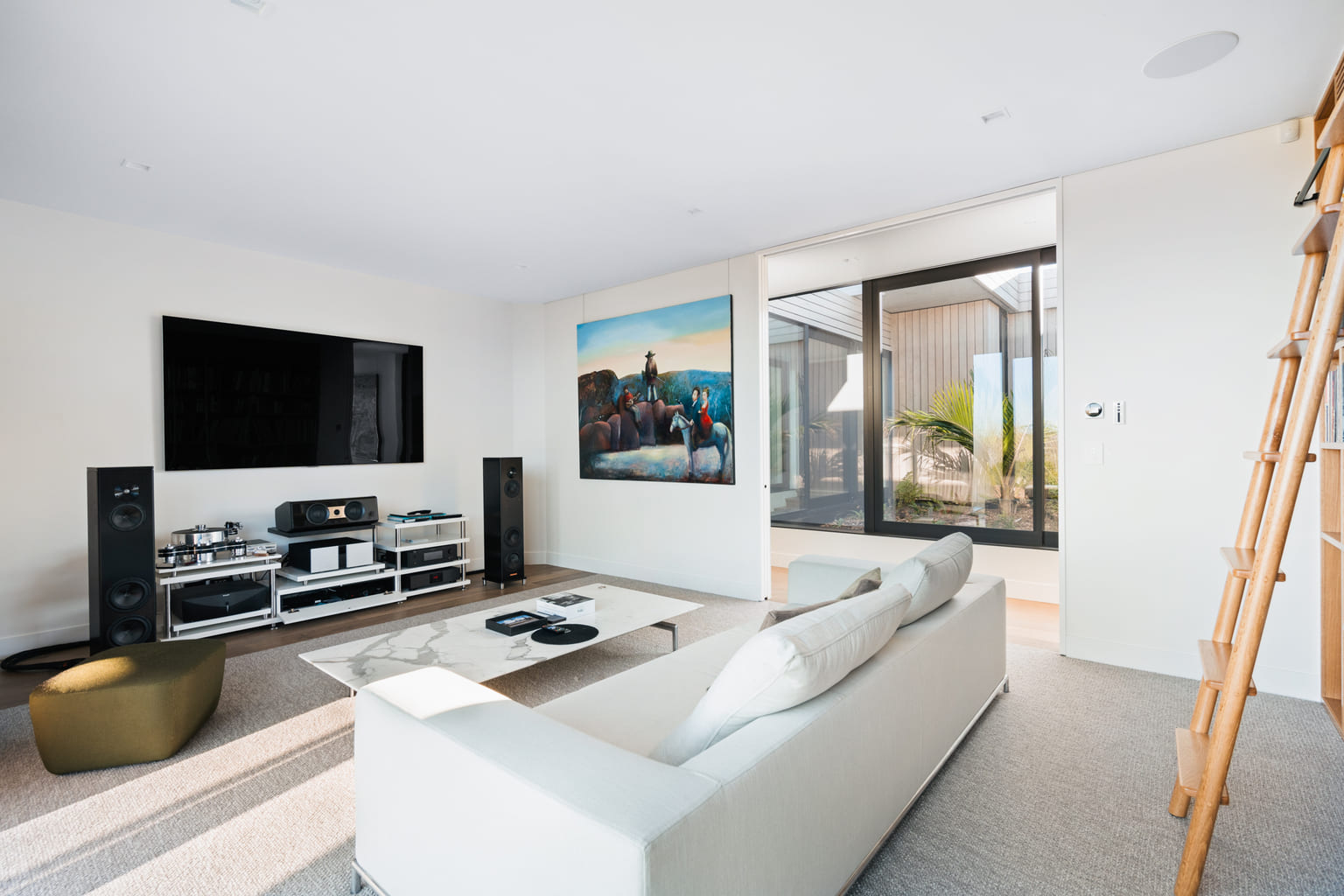
A project like Karaka Lifestyle Home shows why a home’s electrical foundation matters so much.
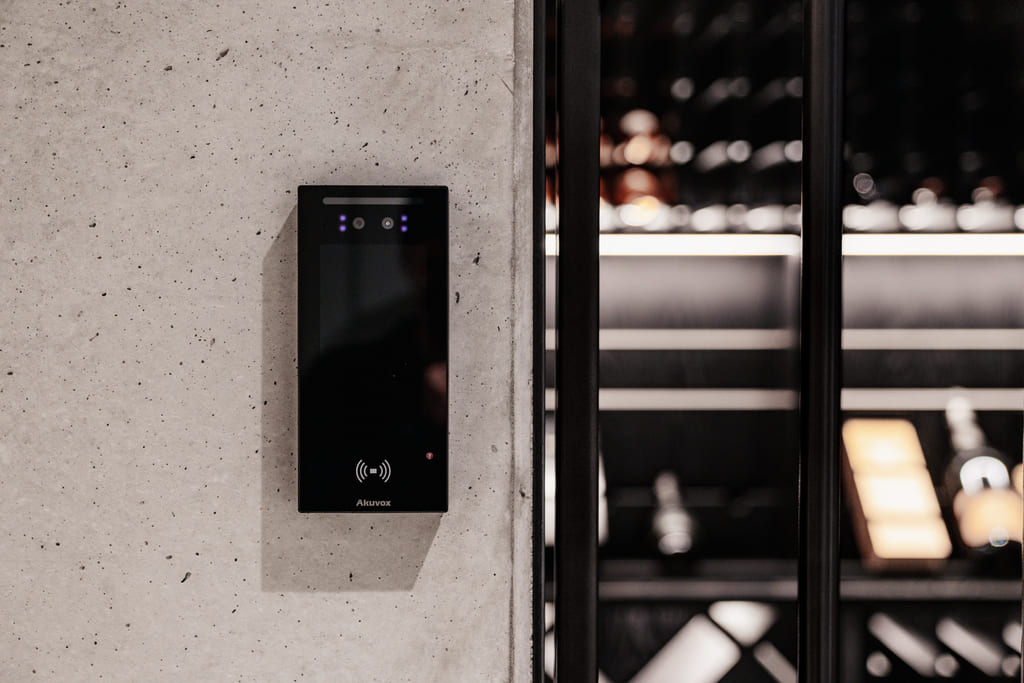
In that project, AV, security, and future-ready connectivity were integrated into a modern lifestyle property in a way that supported both comfort and long-term performance. It is a good reminder that electrical safety is not only about fixing faults. It is also about making sure the home is properly set up to support the way people now live.
FAQs: electrical safety in NZ homes
Final thoughts
Electrical safety does not need to be complicated, but it does need to be taken seriously. Small warning signs are often the first clue that something needs attention. The earlier those issues are dealt with, the easier it is to protect your family, your home, and the systems that rely on safe power every day.
For NZ homeowners, the best approach is simple: stay aware, avoid workarounds, and get the right help when something does not feel right.