Lighting can completely change how a home looks, feels and functions. The right lighting makes everyday tasks easier, creates atmosphere and helps each room feel more considered.
Improving your lighting does not always require a complete renovation. A combination of better LED fittings, dimmers, sensors and smart controls can make a noticeable difference. For homeowners considering lighting as part of a wider connected-home upgrade, The Smart Home Technology Guide for NZ Homes explains how lighting can work alongside security, entertainment, heating and other home systems.
Here are five practical lighting ideas to help create a more comfortable and easier-to-manage home.
1. Choose the right LED lighting
LED lighting is now a common choice for New Zealand homes because it uses less energy and generally lasts longer than traditional lighting.
However, upgrading to LEDs is not simply about replacing every bulb with the brightest option available. The colour and brightness of the light can strongly affect how a room feels.
Warm white lighting usually works well in:
- living rooms
- bedrooms
- dining areas
- relaxed entertaining spaces
Brighter or more neutral lighting may be better suited to:
- kitchens
- bathrooms
- home offices
- garages and utility areas
The aim is to choose lighting that suits the purpose of each space rather than using the same colour and brightness throughout the whole house.
2. Layer your lighting
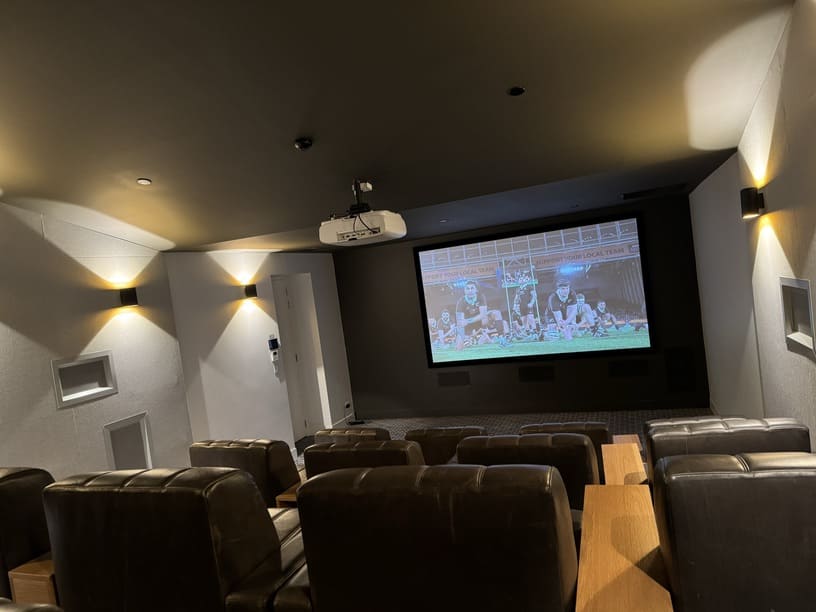
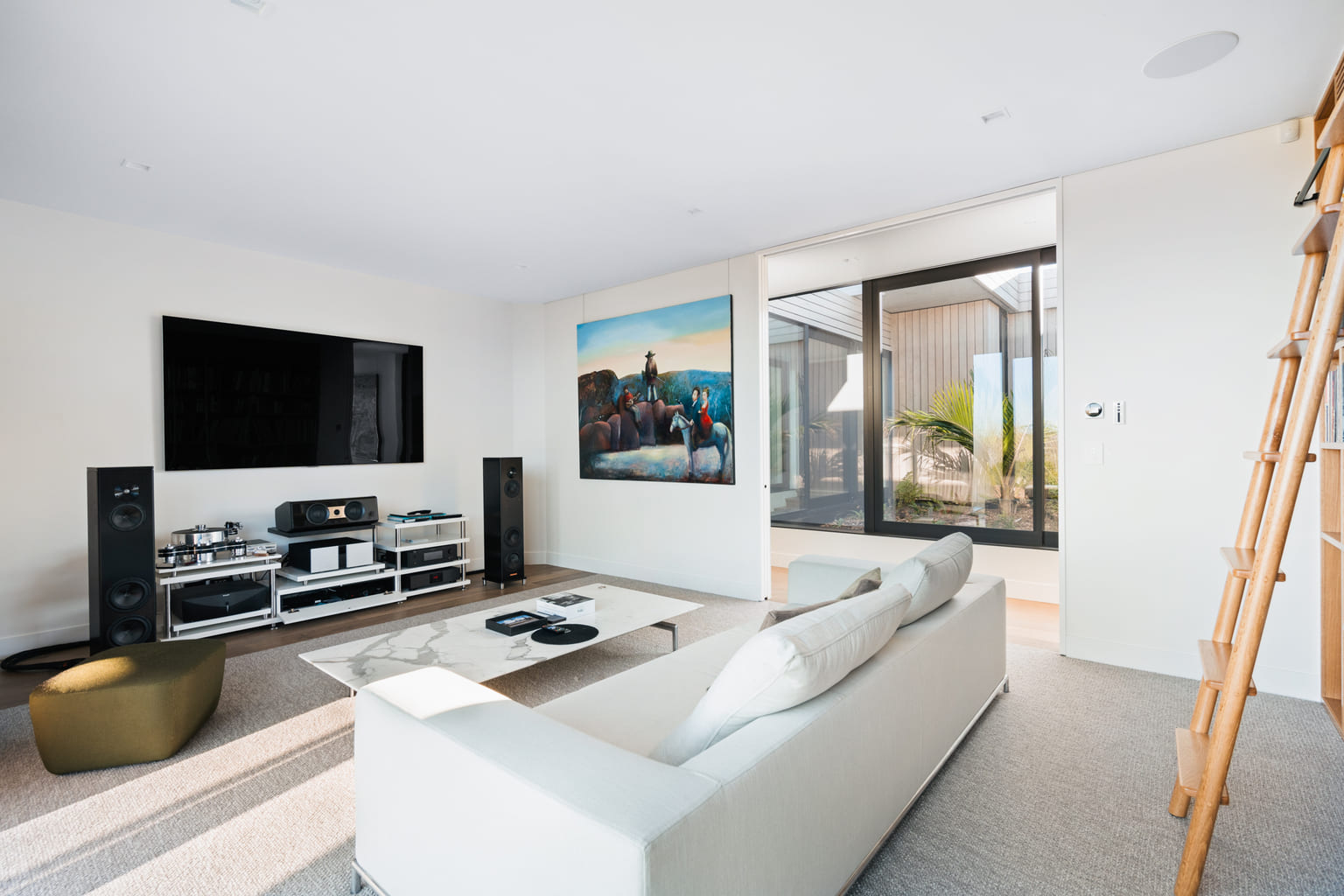
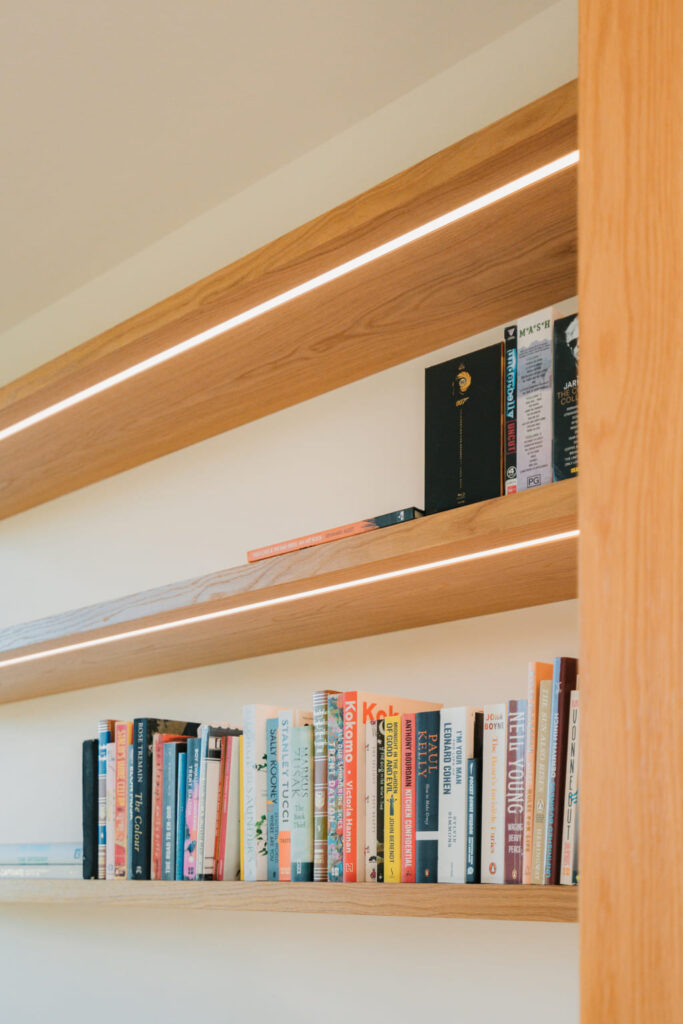
A single ceiling light rarely provides everything a room needs. Layered lighting combines different types of light to create a more flexible and visually comfortable space.
The three main layers are:
Ambient lighting
This provides the room’s general illumination and may come from ceiling lights, downlights or pendants.
Task lighting
Task lighting supports specific activities, such as preparing food, reading, working or applying makeup. Examples include under-cabinet lighting, bedside lights and focused bathroom lighting.
Accent lighting
Accent lighting draws attention to artwork, architectural details, shelving or landscaping. It adds depth and helps a space feel more thoughtfully designed.
Using these layers together allows you to adjust the room for different activities instead of relying on one harsh overhead light.
3. Add dimmers and lighting scenes
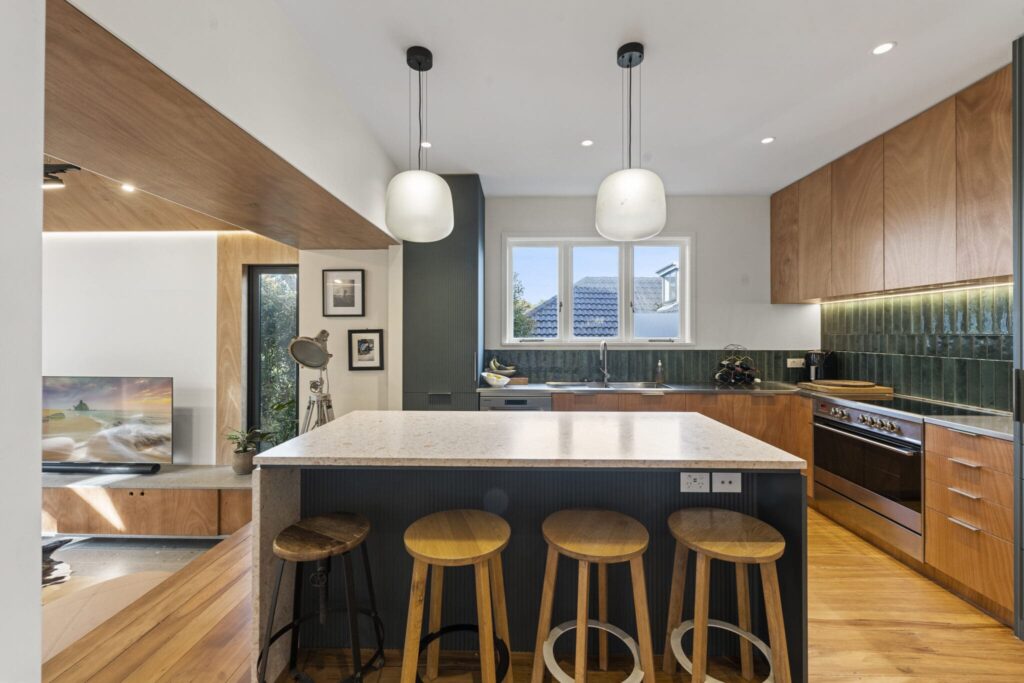
Dimmers give you more control over the atmosphere of a room.
A kitchen may need brighter light while cooking but softer lighting later in the evening. A living room may need different settings for watching television, entertaining guests or relaxing.
With smart lighting controls, these combinations can be saved as scenes. For example:
- Morning: gentle lighting through bedrooms and hallways
- Cooking: brighter kitchen and benchtop lighting
- Entertaining: warmer lighting across living and dining areas
- Movie night: low-level lighting around the room
- Goodnight: selected lights switch off together
Instead of adjusting several individual switches, one button or command can prepare the space for the activity.
It is important to make sure the lights, drivers and dimmers are compatible. Poorly matched components can cause flickering, limited dimming or inconsistent performance.
4. Use motion sensors in practical areas
Motion and presence sensors can make lighting easier to use while helping reduce the amount of time lights are left on unnecessarily.
They are particularly useful in:
- hallways
- wardrobes
- pantries
- laundries
- garages
- bathrooms
- exterior entrance areas
A sensor can turn the light on when someone enters and switch it off after the space is no longer being used.
Placement and timing matter. A badly positioned sensor may activate too often or switch the light off while someone is still in the room. The controls should therefore be planned around how the space is actually used.
Outdoor sensors can also improve visibility around entrances, paths and driveways when someone approaches the property.
5. Bring lighting into your smart home system
Smart lighting can be controlled through an app, touchscreen, keypad, schedule or voice assistant. However, a good system should make lighting simpler rather than adding unnecessary steps.
Useful smart lighting features include:
- switching off multiple lights when leaving home
- scheduling selected lights to turn on before sunset
- controlling lights remotely
- linking lighting with blinds or heating
- creating an “away” scene when the home is unoccupied
- using voice control when your hands are full
- gradually reducing lighting before bedtime
Not every light needs to use a separate smart bulb. In larger renovations and new builds, integrated lighting controls can often provide a cleaner and more reliable experience.
When to involve an electrician
Changing a bulb is straightforward, but more involved upgrades may require changes to switches, dimmers, wiring, fittings or control equipment.
It is worth involving an electrician when you are:
- adding new lighting points
- installing dimmers or sensors
- changing the layout of a room
- planning outdoor lighting
- connecting lighting to a smart home system
- renovating a kitchen or bathroom
- designing the electrical plan for a new build
Safe N Sound’s Electrical services cover residential lighting, electrical design and connected-home installations. Bringing the electrical team into the project early also helps ensure the selected fittings and controls will work properly together.
A real example of integrated lighting
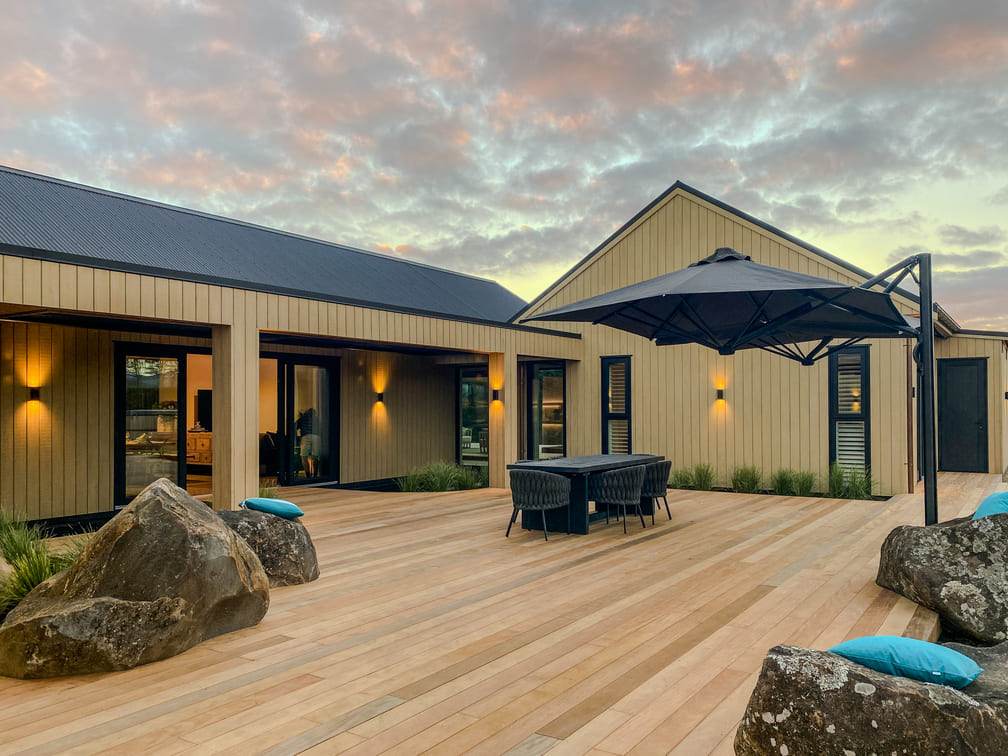
The Matakana Paradise project shows how lighting can form part of a wider home technology plan.
Lighting, smart home control, security, AV and connectivity were coordinated as part of one residential system. This allowed the technology to support the home’s comfort and design without making the controls feel complicated or disconnected.
Common home-lighting mistakes
Using one colour temperature everywhere
Different rooms have different purposes. Lighting that works well in a kitchen may feel too clinical in a bedroom.
Making every room too bright
More light does not automatically mean better lighting. Contrast, placement and control are equally important.
Choosing fittings before planning controls
Some fittings may not work well with particular dimmers or smart systems. Compatibility should be checked before products are purchased.
Treating lighting as an afterthought
Lighting decisions affect furniture placement, interior finishes, artwork and how the room is used. Planning early gives you more options and a cleaner result.
Making smart lighting too complicated
The system should still be easy for family members and guests to use from a normal wall control, even when app and voice functions are available.
FAQs Smart Lighting for NZ homes
Final Thoughts
Good home lighting is not simply about choosing attractive fittings. It is about putting the right type of light in the right place and giving homeowners practical control over how each space feels.
Whether you are updating one room or planning lighting for an entire new build, early design and electrical coordination can produce a more comfortable, functional and future-ready result.