

Smart home technology is no longer reserved for a handful of high-end homes. More homeowners across New Zealand are using it to make daily life easier, improve comfort, and create homes that feel more secure and better connected.
At its best, a smart home is not about filling a house with gadgets. It is about making different systems work together in a way that feels simple and natural. Lighting, audio, blinds, security, and Wi-Fi can all be designed to support the way you actually live. This guide explains how smart home automation, audio-visual systems, security, lighting, blinds and home networking can work together to create a more comfortable and connected home.
What smart home technology actually means
In simple terms, smart home technology allows you to control key parts of your home more easily. That might mean adjusting lights from your phone, setting music to play in different rooms, checking security cameras while you are away, or automating blinds to open and close at certain times of day.
However, the real value comes from integration. A few stand-alone smart devices can be useful, but a properly planned system makes the whole home feel more intuitive. Instead of using one app for lights, another for audio, and another for security, the systems can work together through one platform. That is where professionally designed platforms such as Control4 can become especially valuable. For a closer look at how this works in practice, read Control4 Smart Homes for Modern NZ Living.
Why homeowners are choosing smart home systems
There are a few reasons smart home technology has become far more popular in recent years.
First, it makes everyday living easier. Instead of moving from room to room switching things on and off, you can control multiple systems from one place.
Second, it improves comfort. Lighting scenes, automated blinds, and integrated audio all help create a home that responds better to your routines.
Third, it can strengthen security. Connected alarms, CCTV, intercoms, and access control give you more visibility and more control, whether you are at home or away.
Finally, it helps future-proof the property. When technology is planned properly, it is much easier to expand later without having to start again.
That is why more homeowners are moving away from isolated gadgets and towards integrated systems designed around how they use the home.
The most common smart home features
Not every home needs the same setup. Still, there are a few features that tend to give homeowners the biggest day-to-day benefit.
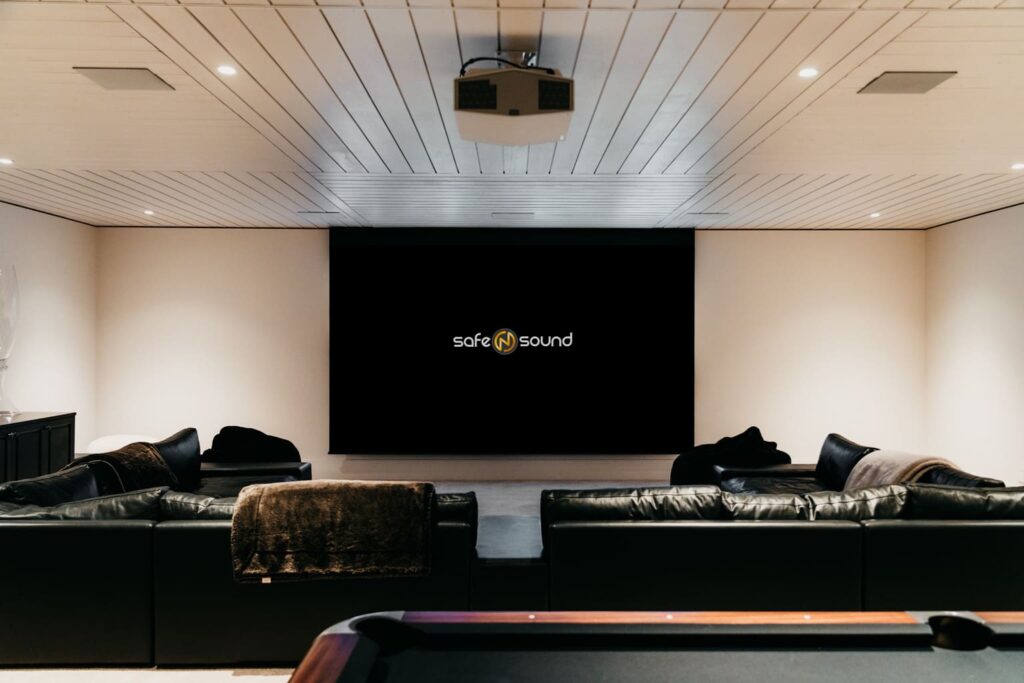
Multi-room audio
Multi-room audio is often one of the first upgrades people fall in love with. Once you can move from room to room without interrupting what you are listening to, it is very hard to go back.
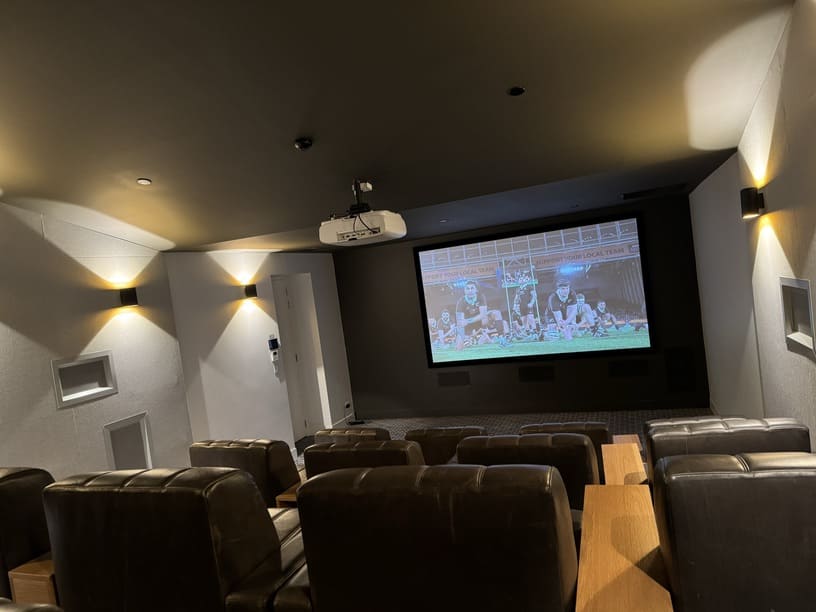
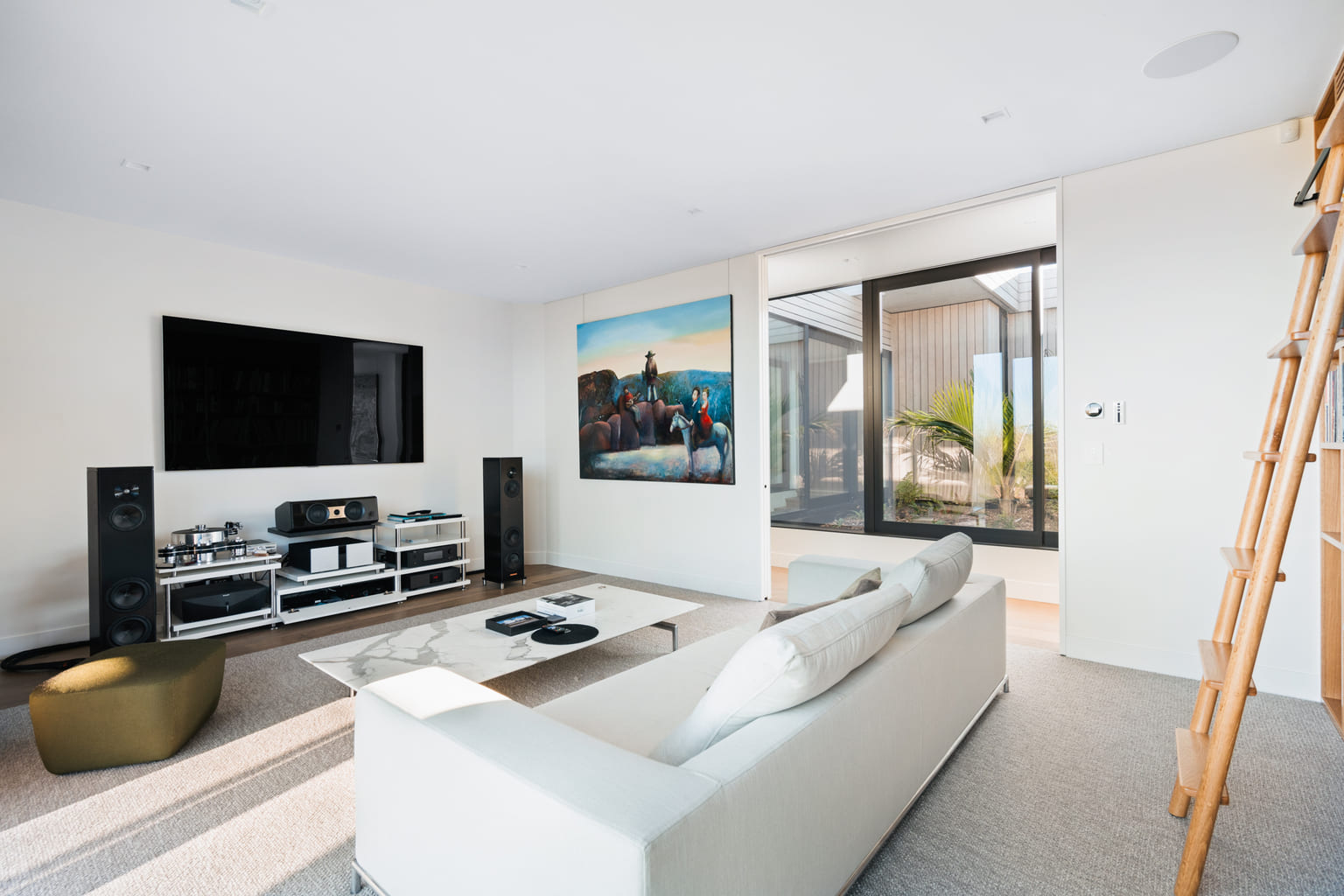
A good system allows you to play the same audio throughout the house or different audio in different zones. That means one room can be set up for a quiet evening, while another is ready for entertaining. Safe N Sound’s audio-visual services can bring together multi-room audio, televisions, home cinemas and everyday control as part of the wider smart-home design.
Lighting control and automation

Lighting is one of the simplest upgrades to understand, but one of the most effective when it is done well.
For example, you can create scenes for early mornings, evenings, entertaining, or movie nights. You can also automate lights to switch on when you arrive home, or schedule certain areas to turn off automatically at night. That gives you convenience, but it also improves energy efficiency.
This becomes even more powerful when paired with shading. Automated blinds can help manage light, privacy, and heat throughout the day, while smart lighting supports the mood and function of each room.For a closer look at the practical benefits, read Why More NZ Homeowners Are Choosing Motorised Blinds.
Security systems and alarms
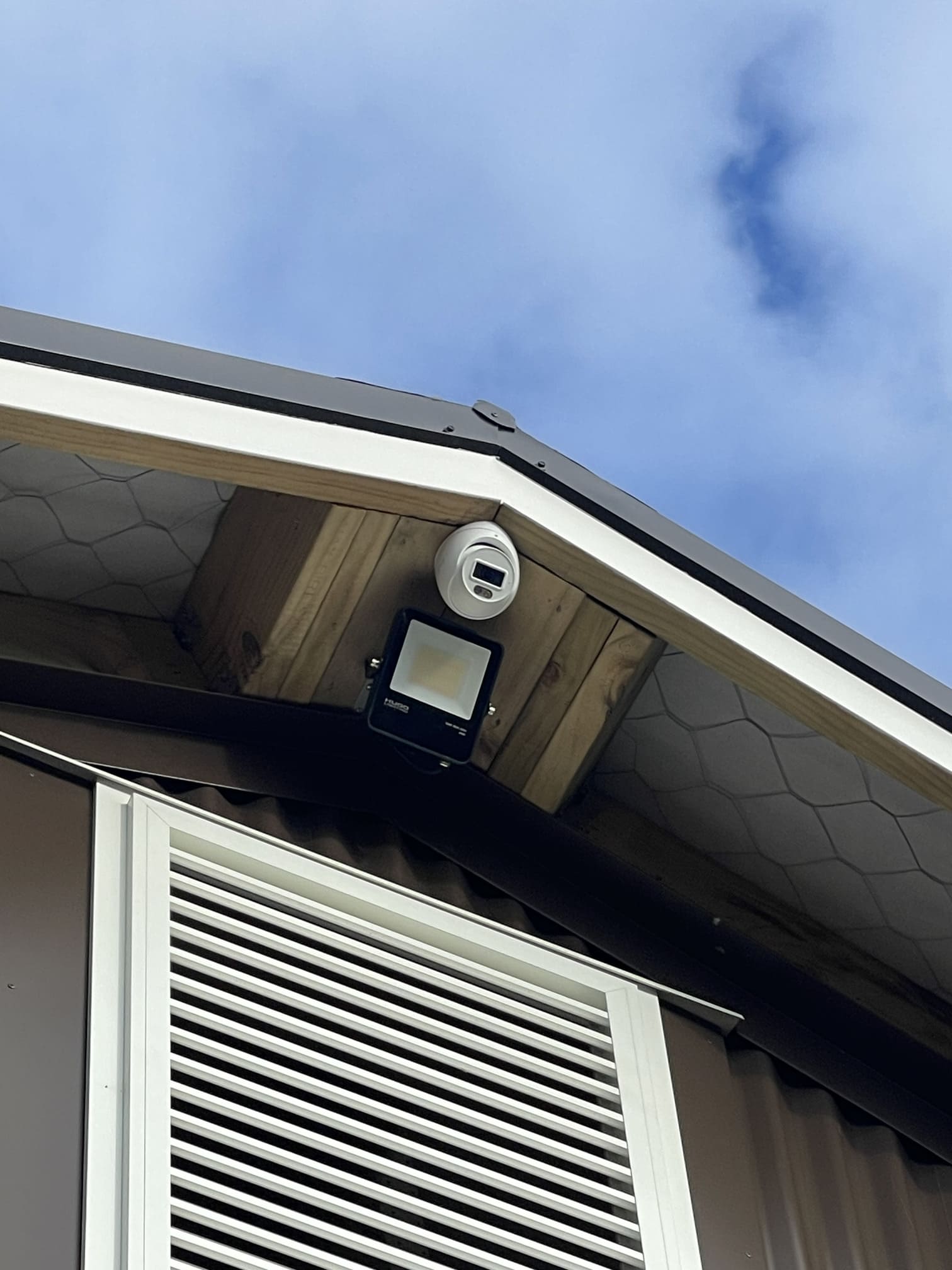
Security is often one of the first reasons homeowners begin exploring integrated technology. A residential system may include alarms, CCTV, intercoms, sensors, gate control and remote access.
When these systems are planned together, homeowners can receive alerts, check selected cameras and manage entry through a more coordinated setup.
Safe N Sound’s security solutions can be designed alongside automation and networking rather than installed as a separate layer. For a more detailed residential overview, read Home Security Systems in Auckland: CCTV, Alarms and Smart Entry.
Homeowners should also consider how connected devices and remote-access accounts are protected. 5 Smart Home Security Tips for NZ Homeowners provides practical guidance on passwords, network separation and device security.
Access control and intercoms
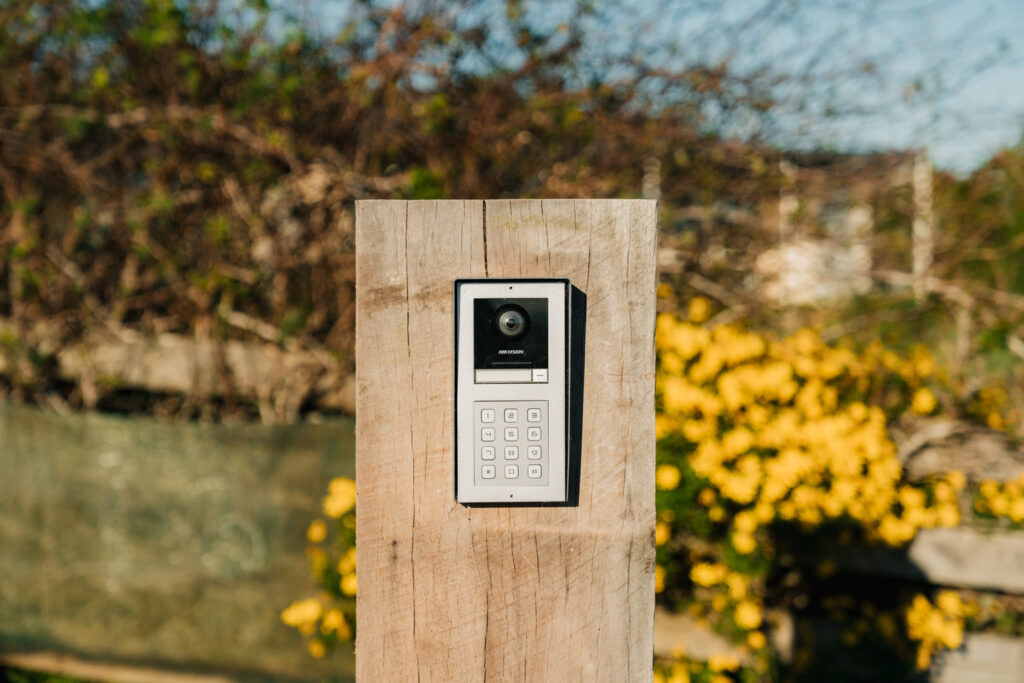
Access control and intercoms
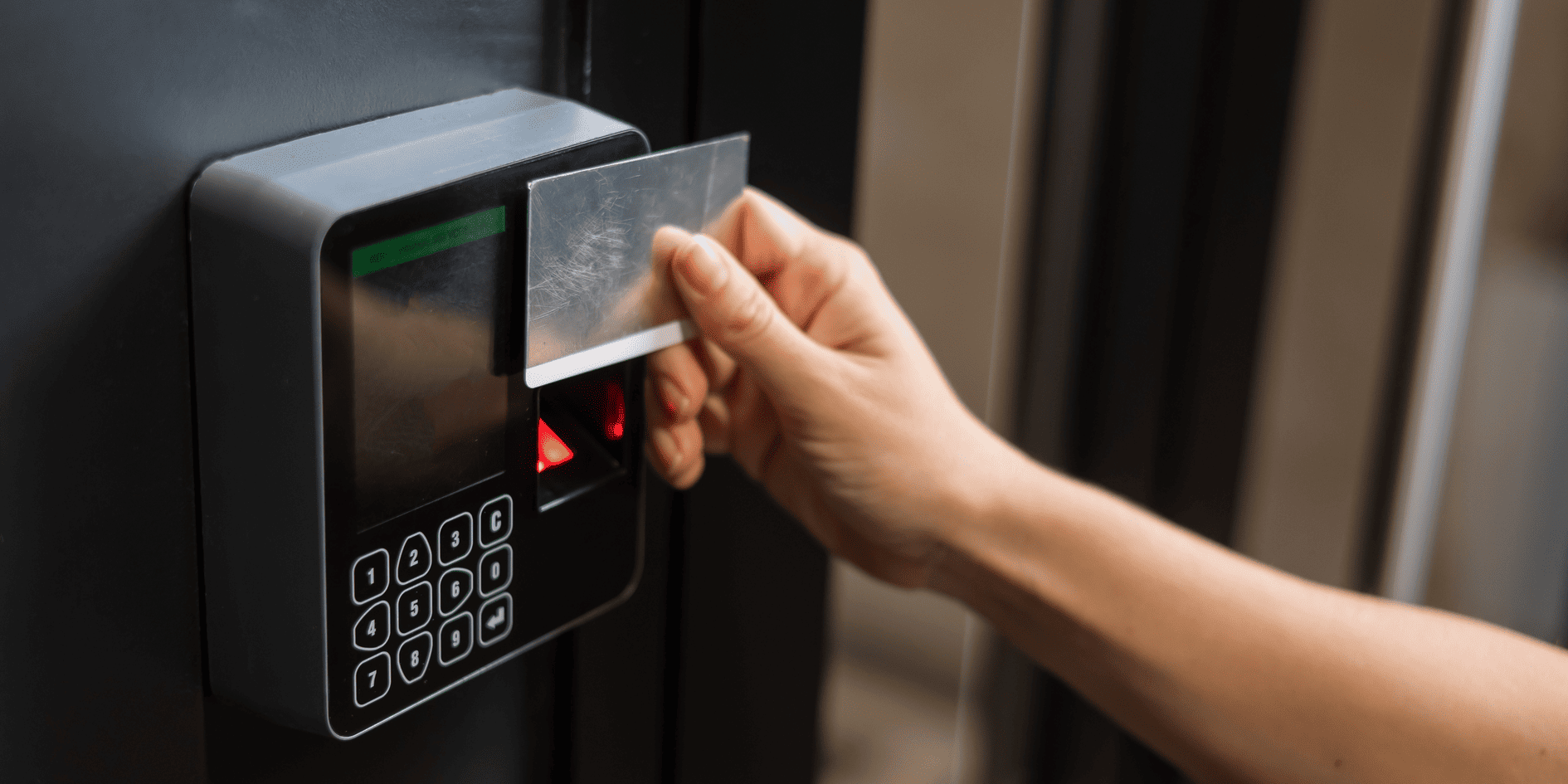
In residential settings, access control can include video intercoms, smart locks, gate control and secure entry for family members, visitors and contractors.
These systems can be particularly useful for apartments, larger homes, lifestyle properties and homes with electric gates or long driveways.
When linked with CCTV, lighting and wider automation, they can provide a more convenient way to manage entry without treating each system separately.
Remove the reference to the commercial access-control pillar from this section. It is not the most useful next step for a homeowner reading this page.
Wi-Fi and home networking
A lot of smart home frustrations come back to one thing: weak connectivity.
Even the best automation platform will struggle if the network behind it is not reliable. That is why Wi-Fi and networking should never be treated as an afterthought. Strong coverage, stable performance, and the right infrastructure make a huge difference to how well the rest of the home works.
This matters even more in larger homes, apartments with tricky layouts, and properties with outdoor entertainment spaces. In those homes, a proper network is not a luxury. It is the foundation.
Safe N Sound’s Wi-Fi and networking services can be planned alongside automation, AV and security to provide the coverage and stability the wider system depends on.
What to think about before you install anything
Before choosing products, it helps to step back and think about what you actually want the home to do.
For example:
- Are you renovating or starting from scratch?
- Which rooms matter most?
- Do you want one central platform or several separate systems?
- Will the home need stronger Wi-Fi coverage?
- Are outdoor spaces part of the plan?
- Will you want to expand the system later?
These questions matter because the right system is not always the one with the longest feature list. It is the one that fits the way the home is used. Good planning also reduces the risk of messy retrofits, unnecessary spending, and systems that do not work well together.
The most common mistakes to avoid
There are a few mistakes that come up again and again in smart home projects.
Buying devices before creating a plan
It is easy to get excited by products. However, the better approach is to define the outcome first. Decide how you want the home to feel and function, then choose the technology that supports that.
Treating Wi-Fi as a minor detail
A smart home will only ever be as reliable as the network behind it. If the Wi-Fi is weak, the experience quickly becomes frustrating.
Using too many disconnected apps
If every system operates on its own, the home becomes harder to manage, not easier. Integration is where the real benefit sits.
Ignoring future upgrades
A smart home should be able to grow with you. Whether that means more audio zones, added security, or further automation, the groundwork matters.
Splitting the work across too many disconnected trades
When AV, security, networking, and automation are treated as separate jobs, details get missed. That is one reason integrated planning tends to produce a better result.This is explored further in One Team for Electrical, AV, Security and Wi-Fi, which explains the benefits of coordinating the main technology and electrical systems through one team.
Residential Smart Home Projects
These projects show how smart-home technology can be adapted to different properties and lifestyles:
- Devonport Villa – automation, AV and security integrated into a character Auckland home
- Mangatāwhiri – lighting, security, entertainment and connectivity across a modern country home
- Northland Luxury Holiday Home – Control4, premium audio and stronger networking for a holiday property
The best system is not determined by the size of the home or the number of devices. It is shaped around the property, the design and the way the household lives.
Why integrated smart home design matters
A smart home works best when the systems are planned together, not bolted on in stages.
When automation, AV, security, and networking are considered as one whole, the result is usually easier to control, cleaner to install, and more reliable over time. It also makes support simpler because the systems are designed to work together rather than fight each other.
That is especially important in renovations and higher-end homes where design, usability, and long-term flexibility all matter.
FAQs About Smart Home Technology in New Zealand
Planning a Smart Home Upgrade?
Whether you are building, renovating or upgrading an existing home, the strongest results usually come from planning the technology early.
Safe N Sound works with homeowners, builders, architects and design teams to coordinate automation, AV, security, lighting, electrical requirements and networking as one connected solution.
Book a residential consultation to discuss a smart-home system designed around your property, routines and future plans.








[…] this article, we are going to dive into the world of Control4; a pioneer in smart home technology since 2003, it empowers you to effortlessly manage your entire living […]
[…] smart home is a system in which devices, appliances with internet access can all be controlled remotely if […]
[…] Aucklanders are increasingly looking for ways to recreate the cinematic experience at home. Smart home technology makes this dream a reality. Imagine controlling a top-notch sound system and a large smart TV from […]
[…] a wider overview of how AV fits alongside lighting, security, blinds and automation, explore The Smart Home Technology Guide for NZ Homes. This article focuses specifically on how integrated audio-visual technology can improve […]
[…] For a broader look at how automation, AV, security, networking and electrical systems work together in a home, explore The Smart Home Technology Guide for NZ Homes. […]