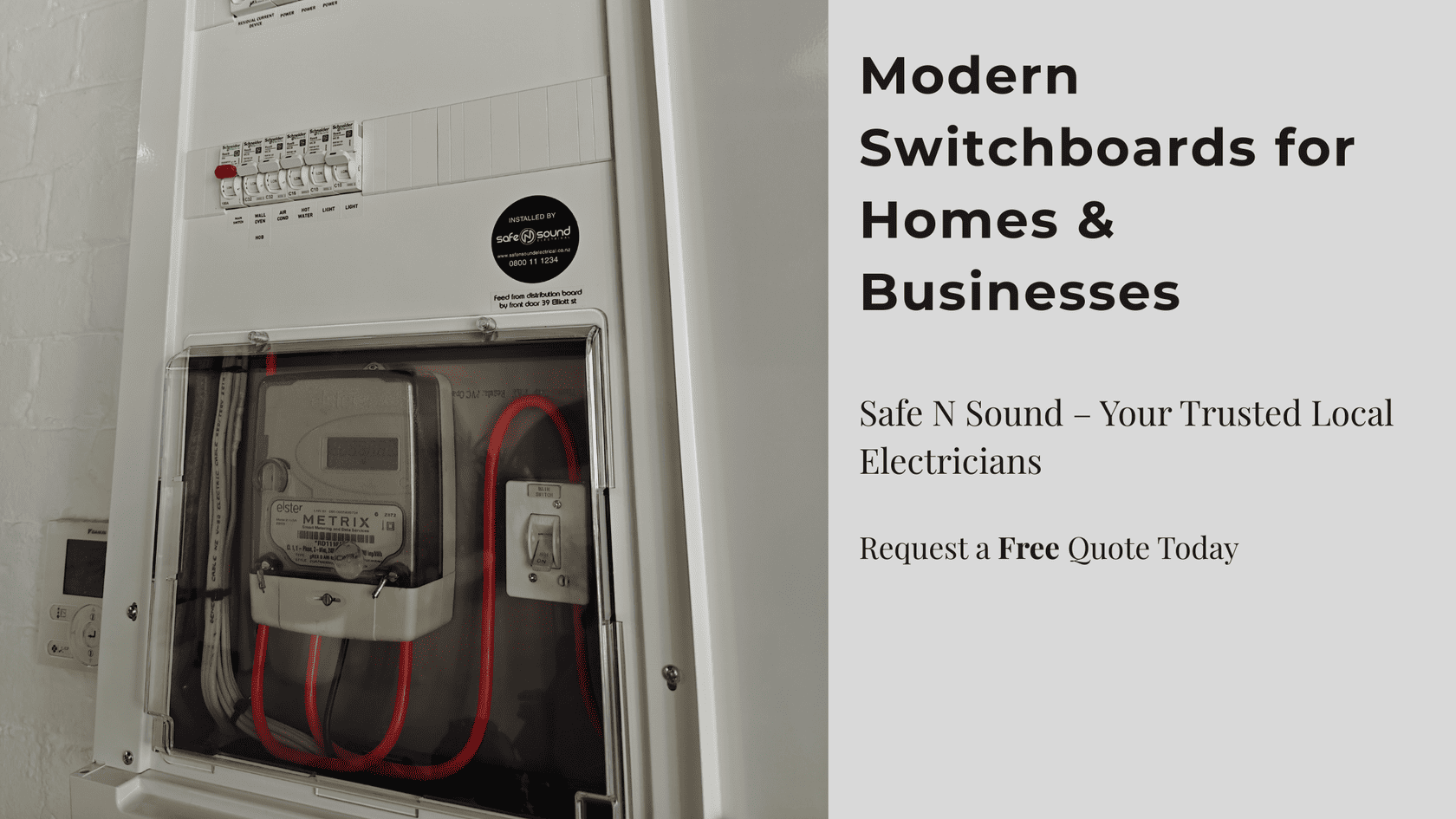
A commercial switchboard can continue working long after it has stopped being the right fit for the business relying on it.
As Auckland businesses add equipment, lighting, air conditioning, technology, EV charging and new workspaces, the electrical demand placed on an older switchboard can change significantly.
If you are considering a commercial switchboard upgrade in Auckland, common warning signs include repeated circuit trips, limited space for new circuits, overheating or visible damage, outdated components and a switchboard that no longer reflects how the building is being used.
The answer is not always a full replacement. However, these signs are a good reason to have the existing installation assessed before a fault, fit-out or equipment upgrade turns the switchboard into a bigger problem.
What Does a Commercial Switchboard Do?
A switchboard is the central point from which electricity is distributed to the different circuits and areas within a commercial property.
Depending on the site, those circuits may support:
- Lighting
- General power
- HVAC and air conditioning
- Commercial kitchen equipment
- Machinery
- Office equipment
- AV and meeting-room technology
- Security systems
- Data and communications equipment
- EV charging
- Other specialist electrical loads
For a business, the question is therefore not simply whether the switchboard still works.
It needs to provide suitable capacity and protection for the way the building operates now, while also allowing for planned changes.
Our Commercial Electrical Services cover switchboards, fit-outs, lighting, power distribution, maintenance and wider electrical infrastructure for Auckland businesses.
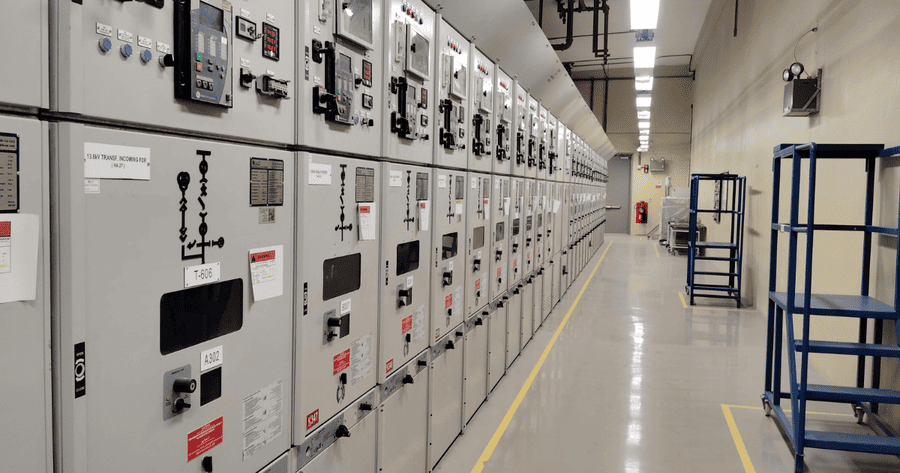
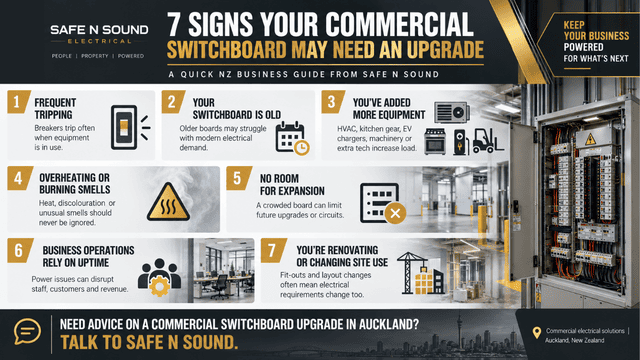
7 Signs Your Commercial Switchboard May Need an Upgrade
1. Circuit Breakers Keep Tripping
A circuit breaker is designed to interrupt power when there is a problem.
An occasional trip does not automatically mean the switchboard needs replacing. However, repeated tripping should not simply be reset and ignored.
It may point to an overloaded circuit, a fault, equipment issues or an electrical system that is being asked to support more than it was designed for.
If recurring trips are affecting normal business operations, an electrician can assess the board, circuits and connected loads to determine the underlying cause.
2. The Switchboard Uses Older or Outdated Components
Commercial buildings often change hands, change tenants or undergo several fit-outs over their lifetime.
The switchboard may therefore pre-date much of the equipment now being used in the building.
Older boards can also contain equipment that has become difficult to maintain, replace or expand.
Age alone does not determine whether a switchboard must be replaced. The more useful questions are:
- What condition is the board in?
- What protection is currently installed?
- Can replacement components still be sourced?
- Is there adequate space for additional circuits?
- Does the board suit the current electrical demand?
Our Complete Guide to Switchboard Upgrades in Auckland looks more broadly at how switchboards work, the warning signs to watch for and the different upgrade options available.
3. There Is Little or No Capacity for New Circuits
One of the clearest reasons to assess a commercial switchboard is planned expansion.
A business might be adding:
- New machinery
- Commercial kitchen equipment
- Additional workstations
- Air conditioning
- New tenancy areas
- Meeting-room AV
- Security systems
- EV chargers
- Additional lighting
- Other high-demand electrical equipment
If there is little physical or electrical capacity available, continuing to add equipment can become increasingly difficult.
A commercial switchboard upgrade may provide the additional capacity and circuit arrangement required for the building’s current and future use.
4. There Is Heat, Discolouration or a Burning Smell
Heat around the switchboard, unusual smells, discolouration, sparking or visible damage should not be treated as normal signs of an ageing building.
These can indicate an electrical problem that requires professional assessment.
If there is smoke, sparking or an obvious immediate hazard, avoid interfering with the equipment and arrange urgent professional assistance.
The Electrical Workers Registration Board notes that prescribed electrical work in New Zealand must be carried out by workers who are appropriately authorised, competent and working within the limits of their registration and practising licence.
5. The Business Has Outgrown the Original Electrical Setup
Commercial properties rarely operate exactly as they did when they were first built.
A small office may become a larger workplace.
A basic retail tenancy may introduce more displays, refrigeration, lighting or customer-facing technology.
A warehouse may add machinery.
A hospitality venue may add commercial appliances, audio systems and additional cooling.
The electrical infrastructure may gradually become a poor match for how the property is actually being used.
In these situations, a switchboard assessment can identify whether the existing board and circuits still provide a suitable foundation for the business.
6. You Are Planning a Commercial Fit-Out or Renovation
A fit-out is one of the best times to assess the switchboard because the business is already making changes to its electrical requirements.
New layouts can introduce:
- Additional power outlets
- Different lighting zones
- New kitchen or equipment loads
- Meeting rooms
- AV systems
- Security and access control
- New data infrastructure
- HVAC changes
- Additional tenancy areas
Checking capacity early can prevent the electrical board from becoming a constraint after equipment has already been selected.
This is particularly important where several building technologies are being introduced at once.
Safe N Sound’s one-team approach allows electrical infrastructure to be considered alongside AV, networking, security and other connected systems rather than leaving each contractor to discover capacity issues separately.
Our article Electrical Engineer vs Electrician: Which One Do You Need? explains when a project may need installation expertise, engineering input or both.
7. Electrical Problems Are Starting to Affect Operations
For a business, electrical reliability is also an operational issue.
Repeated power interruptions can affect:
- Staff productivity
- Payment systems
- Computers and network equipment
- Refrigeration
- Machinery
- Security systems
- Customer-facing technology
- Lighting
- Building access
The switchboard may not always be the cause, which is why proper fault finding matters.
However, if an ageing electrical system is repeatedly disrupting the business, continuing to reset breakers or apply temporary fixes is unlikely to be a good long-term strategy.
What Happens During a Commercial Switchboard Upgrade?
The exact process depends on the site, existing installation and required work, but a commercial switchboard upgrade generally starts with understanding what the business needs rather than simply replacing the existing board like-for-like.
1. Existing System Assessment
The electrician assesses the existing switchboard, circuits, condition and available capacity.
The building’s current electrical requirements and any known future additions should also be considered.
2. Load & Future Requirements Review
Planned equipment matters.
If the business is about to install new machinery, HVAC, EV charging, commercial appliances or technology infrastructure, those requirements should be considered before determining the upgrade scope.
3. Upgrade Planning
The required switchboard, protection, circuit arrangement and associated electrical work can then be planned around the property.
For commercial environments, this stage should also consider how the work will affect business operations.
4. Shutdown Planning
Switchboard work generally requires some interruption to the electrical supply.
The shutdown therefore needs to be coordinated with the business so essential operations, tenants and equipment can be considered.
5. Installation
The existing board or relevant equipment is upgraded according to the agreed scope.
Associated circuit changes or other electrical work may also be required depending on the installation.
6. Testing & Commissioning
The completed electrical work must be appropriately tested and, where required, inspected and certified under New Zealand electrical requirements.
7. Labelling & Handover
Clear circuit identification makes the switchboard easier to understand and maintain in the future.
Documentation and certification requirements will depend on the electrical work undertaken.
Can a Commercial Switchboard Be Upgraded Without Closing the Business?
Possibly, but some level of electrical shutdown will generally be required.
The bigger question is how the shutdown is planned.
Depending on the business and scope, work may be:
- Scheduled outside normal operating hours
- Coordinated around quieter periods
- Completed in stages where the electrical design allows it
- Planned around critical equipment or tenant requirements
Not every commercial switchboard upgrade can be completed without disruption.
However, identifying operational constraints before work starts gives the project team a much better chance of reducing the impact on the business.
Should You Check the Switchboard Before Installing New Equipment?
Yes.
If new equipment will materially change the property’s electrical demand, assessing the existing infrastructure first can prevent problems later.
This is particularly relevant before installing:
- EV chargers
- Commercial kitchen equipment
- HVAC systems
- Machinery
- Additional tenancy power
- Large lighting upgrades
- Significant AV or technology infrastructure
The switchboard itself is only one part of that assessment. Existing supply, wiring, circuits and other electrical infrastructure may also need to be considered.
For commercial property owners and managers, this is often more useful than discovering capacity limitations after the equipment has already arrived.
Commercial Switchboard Upgrades in Auckland
Auckland’s commercial buildings range from new offices and retail developments to older warehouses, hospitality venues and properties that have undergone multiple renovations.
That means there is no single switchboard solution that suits every business.
Safe N Sound works across commercial environments including:
- Offices and workplaces
- Retail stores and showrooms
- Hospitality venues
- Gyms and fitness facilities
- Managed commercial properties
- Warehouses
- Commercial renovations and fit-outs
Our commercial electrical work includes switchboard installations, replacements and upgrades alongside lighting, power distribution, data infrastructure and ongoing maintenance.
For businesses planning broader work, assessing the electrical foundation early can also make it easier to coordinate AV, security, networking and other technology requirements.e technology is designed around how the workplace actually operates rather than around individual pieces of equipment.
Commercial Electrical Planning in Practice: Willis Bond Hobsonville
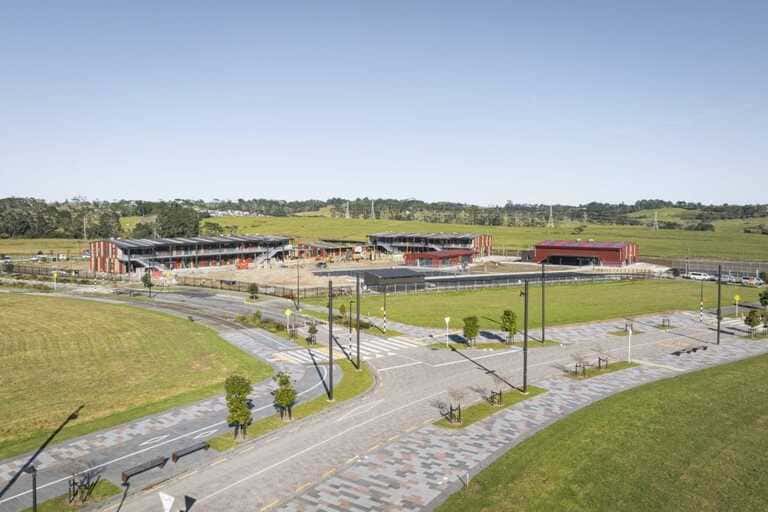
The Willis Bond Hobsonville showroom is a useful example of why commercial electrical infrastructure should be considered alongside the wider technology environment.
Safe N Sound delivered commercial electrical infrastructure alongside Control4 automation, lighting and blind control, AV, Wi-Fi and security for the Auckland showroom.
Although this was not specifically a switchboard replacement case study, it demonstrates the wider principle: electrical capacity, power distribution, technology and control need to support the same commercial space.
Planning those requirements together reduces the risk of discovering later that the electrical foundation cannot support the systems being introduced.echnology can be designed around the workplace rather than forcing the workplace to adapt to the technology.
Frequently Asked Questions
Don’t Wait for the Switchboard to Become the Problem
A commercial switchboard upgrade is not simply about replacing an old electrical board.
The bigger question is whether the electrical infrastructure can safely and reliably support the way the business operates today and what it plans to add next.
Repeated faults, limited circuit capacity, an upcoming fit-out or significant new equipment are all good reasons to have the existing system assessed.
Identifying limitations early gives the business more options and makes it easier to plan electrical work around operations rather than responding after something fails.
Planning a Commercial Switchboard Upgrade in Auckland?
Safe N Sound provides commercial electrical services and commercial switchboard upgrades across Auckland, supporting existing buildings, renovations, commercial fit-outs and growing businesses.
Our team can assess the existing installation, understand your current and future electrical requirements and recommend an appropriate way forward.
Where a project also involves AV, networking, security or other technology, our one-team approach allows the electrical infrastructure and connected systems to be coordinated together.
Talk to Safe N Sound about assessing or upgrading your commercial switchboard.