A new school needs far more than classrooms, power and Wi-Fi.
Behind the finished walls is a network of structured cabling, security systems, access control and communications infrastructure that needs to be planned early, coordinated with the wider build and installed in a way that can support the school long after construction is complete.
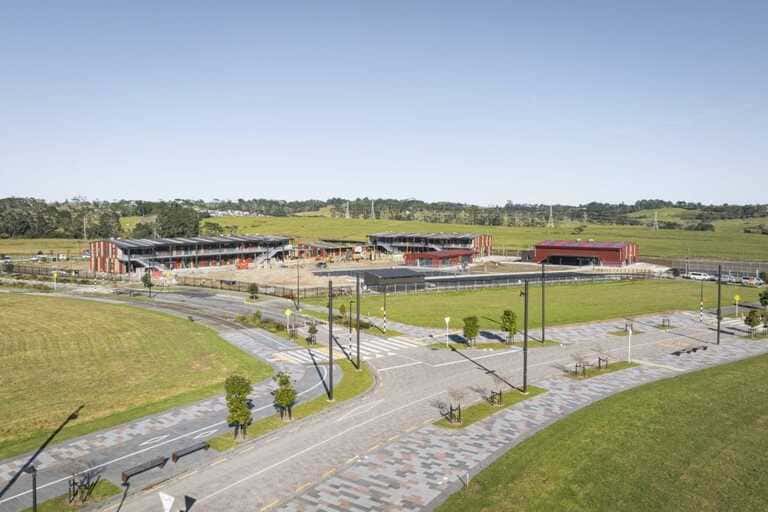
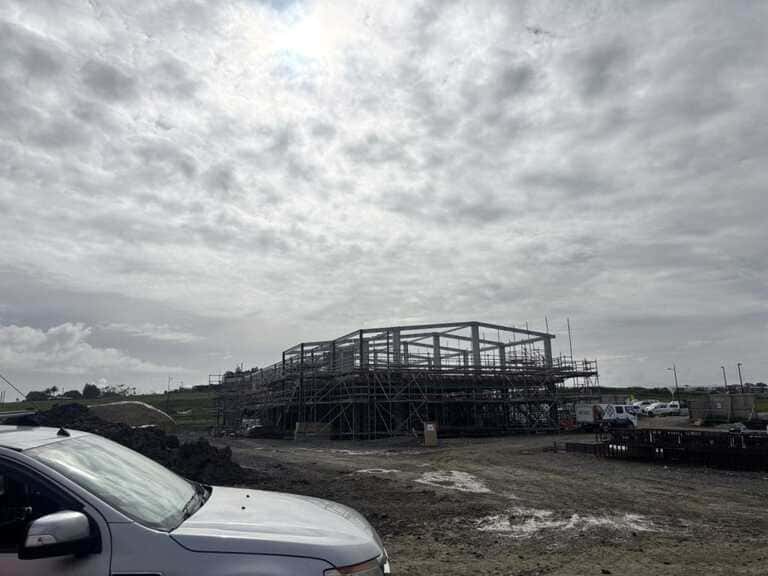
Safe N Sound recently delivered the network, security and access control infrastructure for Te Pae School in Redhill, Auckland, alongside provision for future CCTV and audio systems.
The project shows how much of a school’s technology infrastructure is decided long before the finished systems become visible.
Why Should School Technology Infrastructure Be Planned Early?
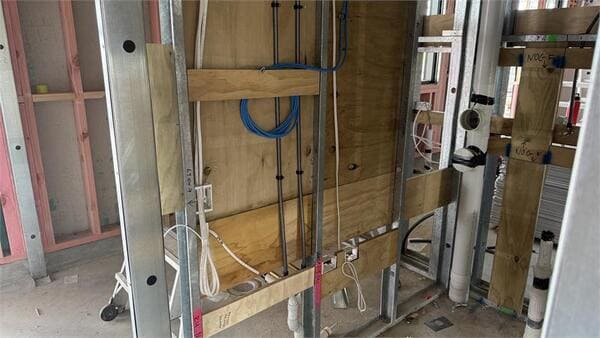
For a new school, much of the most important technology work happens during the prewire stage.
Before walls and ceilings are closed, cable routes need to be established for systems such as:
- Data and network connectivity
- Wireless access points
- Security systems
- Electronic access control
- CCTV
- Audio
- Fibre
- Communications infrastructure
Planning these pathways early allows the systems to be incorporated cleanly into the building rather than retrofitted later.
It also gives builders, consultants and other trades clarity around penetrations, cable routes, equipment locations and other requirements that need to be coordinated with the construction programme.
This early coordination is one of the main reasons new-build technology projects benefit from bringing networking, security and electrical requirements together rather than treating them as separate installations.
For a broader look at this approach, see One Team for Electrical, AV, Security and Wi-Fi
Building the School Network Foundation
Reliable network infrastructure is fundamental to the way a modern school operates.
Teaching spaces, administration, wireless devices, communications systems and other connected technologies all depend on the physical network behind them.
That means structured cabling and network infrastructure need to be considered as part of the building itself rather than added once construction is nearing completion.
At Te Pae School, Safe N Sound’s work included:
- Structured data cabling
- Wireless access point cabling
- Fibre infrastructure
- Communications infrastructure connecting different areas of the school
- Supporting equipment infrastructure
Getting this foundation right gives the school a more reliable platform for current technology while creating greater flexibility for future requirements.
Safe N Sound provides Wi-Fi and networking solutions for education, commercial and residential environments across Auckland and New Zealand.
How Should Security Be Planned Into a New School?
School security infrastructure works best when it is incorporated into the building from the beginning.
Security systems, access control and CCTV all depend on the correct cabling, equipment positions and pathways being available.
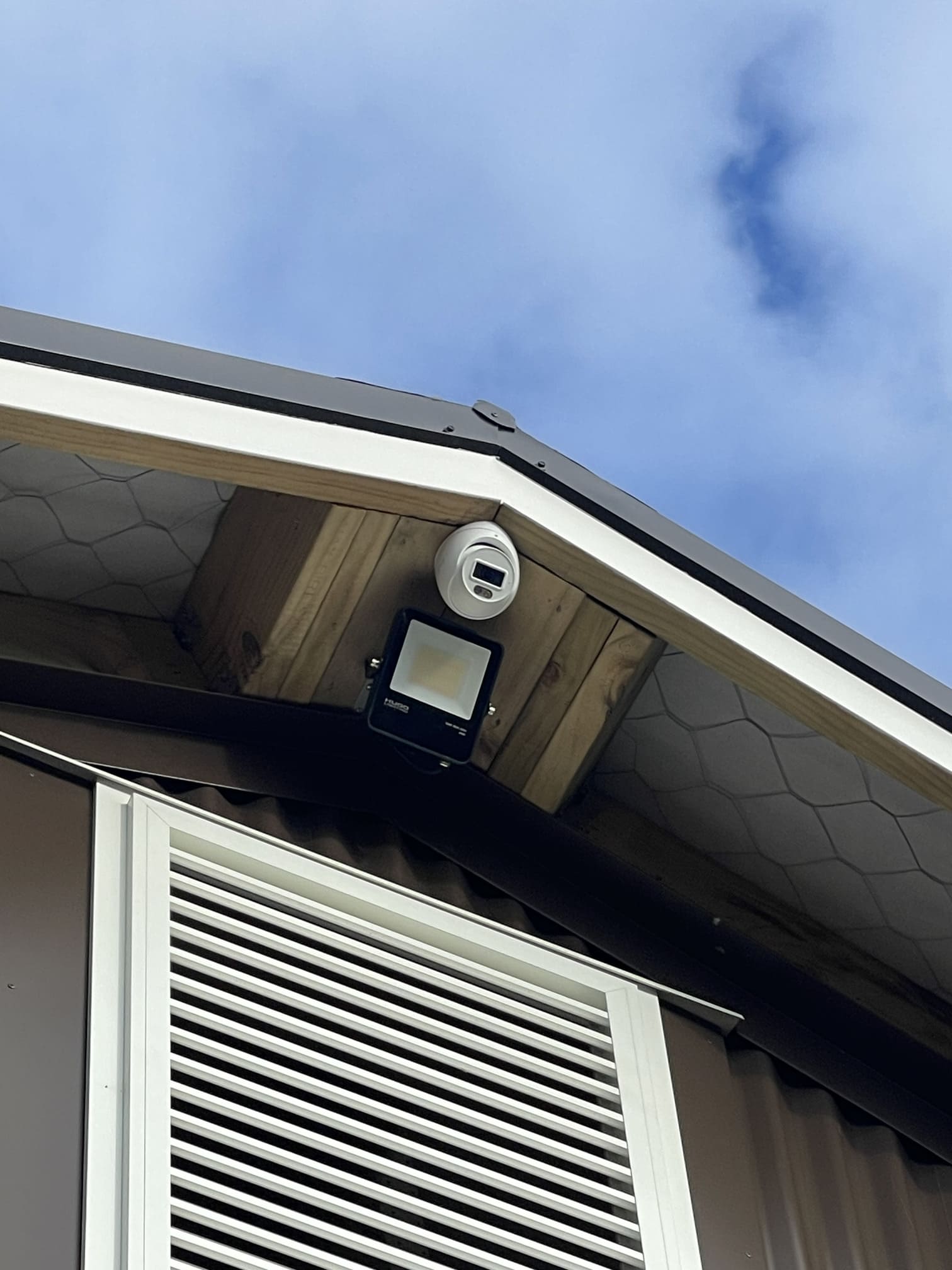
At Te Pae School, Safe N Sound delivered the security and access-control infrastructure while also making provision for future CCTV requirements.
This meant considering:
- Where controlled access was required
- How doors and security systems would interact
- Where security cabling needed to run
- Suitable equipment locations
- How future CCTV could be incorporated
- How the systems would fit within the finished building
The objective is not simply to add more security equipment.
A well-designed school security system should support how staff, students and authorised visitors actually move through and use the site.
Safe N Sound’s security solutions include electronic access control, CCTV, alarms and related security infrastructure.
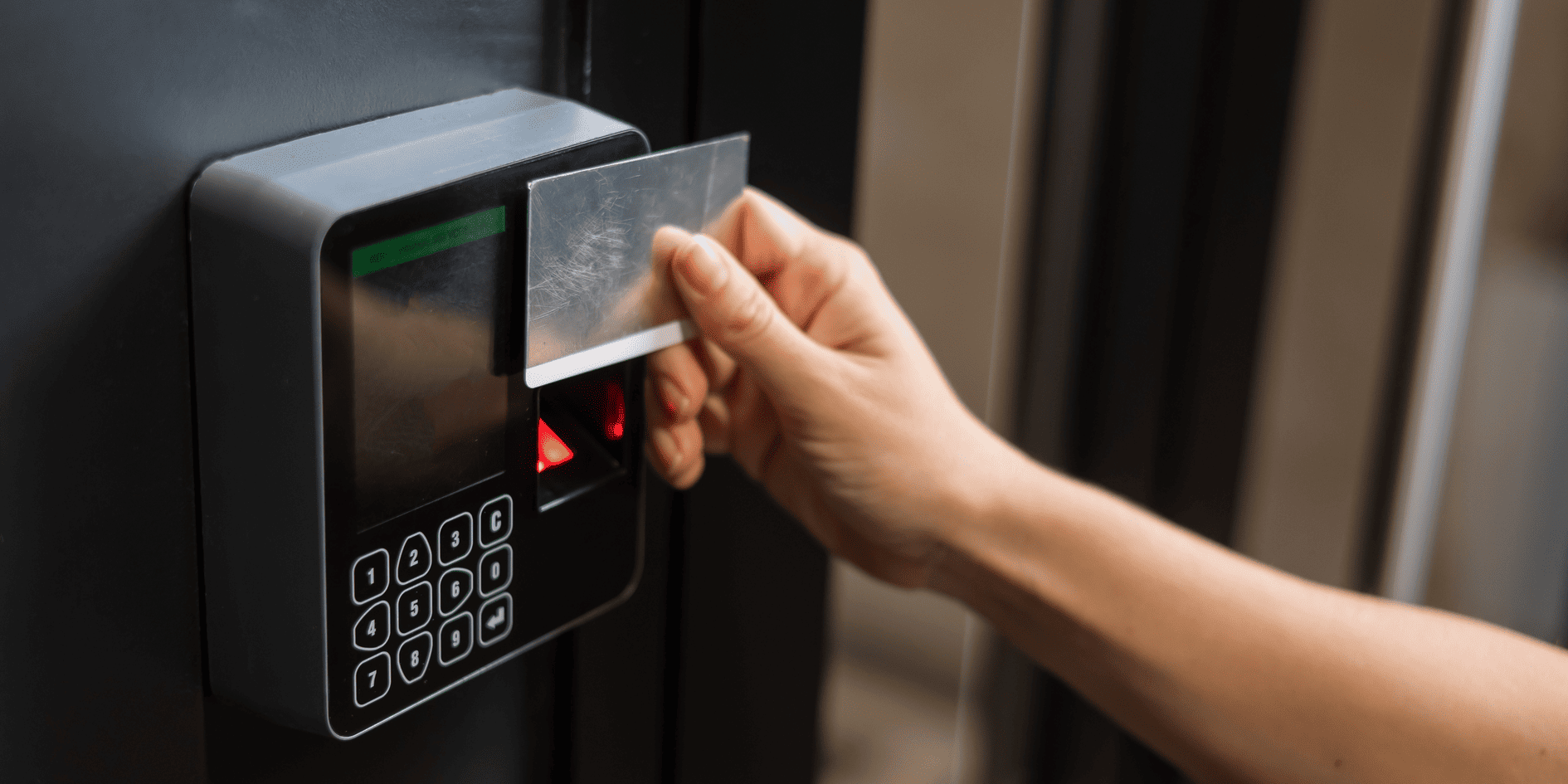
Why Is Access Control More Than Door Hardware?
Electronic access control can look simple once a building is complete, but there is considerable infrastructure behind it.
Depending on the system, access-controlled doors may require:
- Power
- Data
- Control cabling
- Electronic locking hardware
- Readers or credentials
- Interfaces with other security systems
The requirements also need to align with the physical doors and the way different parts of the building will be used.
On construction projects, those details can change as the build progresses.
During the Te Pae School project, Safe N Sound worked through changing access requirements and additional cabling while ensuring the infrastructure continued to align with the final design.
For more detail on how controlled entry and permissions work, see Access Control Systems in NZ: Smarter Business Security.
Why Do New-Build Technology Requirements Change During Construction?
Even with detailed plans, large construction projects rarely remain completely static.
Room layouts can change. Equipment positions move. Door requirements are revised. Additional network runs may be requested.
At Te Pae School, the Safe N Sound team responded to variations including:
- Additional network runs
- Repositioned outlets
- Changing access-control requirements
- Revised cable routes
- Changes to penetrations and equipment locations
The important part is not avoiding every variation.
It is being able to respond to those changes without losing sight of how the overall network, security and communications infrastructure needs to work together.
That coordination is particularly important on education projects where multiple trades and technology systems are being installed at the same time.
Why Is Prewiring Important in Schools?
Once a school is finished, much of the technology infrastructure should disappear from view.
The cabling, pathways and penetrations behind the walls are not what staff or students should notice.
What they should notice is that:
- The network works reliably
- Wireless coverage is supported properly
- Access is controlled where required
- Security systems operate as intended
- Future technology can be added without unnecessary disruption
Good prewire planning also reduces the need to open finished walls, disturb ceilings or run visible surface cabling when new systems are introduced later.
For schools that are likely to adopt new technology over time, that forward planning can become particularly valuable.
Planning for Future CCTV & Audio Systems
Not every technology system needs to be completely installed during the same stage of a new build.
At Te Pae School, provision was made for future CCTV and audio systems as part of the wider infrastructure work.
That distinction matters.
Safe N Sound installed the necessary infrastructure and pathways so these systems could be incorporated or expanded more easily when required, rather than representing CCTV and audio as fully completed installations.
Putting this provision in place during construction can reduce the need for disruptive cabling work later and gives the school more flexibility as its requirements develop.
From Prewire to Commissioning
Technology infrastructure is not a single isolated stage of a construction project.
Safe N Sound’s involvement at Te Pae School extended from early prewire work through installation, project variations, testing and commissioning.
That continuity helps ensure the systems installed at the end of the project still reflect the decisions and design requirements established at the beginning.
It also allows issues and changes to be handled as part of the wider infrastructure rather than as disconnected fixes.
You can see the completed scope in the Te Pae School network, security and access-control project.
The Infrastructure You Don’t See Matters
When a new school opens, most people will never see the structured cabling, fibre, security infrastructure and coordination that went into making its technology work.
But those hidden systems form part of the foundation the school relies on every day.
By considering networking, security, access control, CCTV and audio infrastructure early in the construction process, schools can achieve a cleaner installation today while creating greater flexibility for future technology.
For builders, architects and project teams, the biggest opportunity is often not choosing a particular piece of technology.
It is making sure the infrastructure required to support that technology has been considered before the building is finished.
Frequently Asked Questions
Planning Technology Infrastructure for a New School?
Safe N Sound works with builders, consultants, architects and project teams to deliver network, security, access control, AV and electrical infrastructure for education and commercial projects across Auckland and wider New Zealand.
Bringing these requirements into the project early can help:
- Reduce unnecessary retrofit work
- Improve coordination between trades
- Create cleaner installations
- Support future technology expansion
- Reduce the risk of infrastructure requirements being identified too late
Talk to Safe N Sound about the technology infrastructure for your next education or commercial project.