Winter can push power bills up quickly. Across Auckland and wider New Zealand, more households start running heat pumps, heaters, dehumidifiers, and dryers more often as temperatures drop. That extra comfort helps, but it can also make winter one of the most expensive times of year for home energy use.
The good news is that staying warm does not always mean spending more. A few practical changes can help reduce heat loss, improve efficiency, and make better use of the heating you already have. If your home is also showing signs of electrical strain during winter, The Complete Guide to Switchboard Upgrades in Auckland is a useful next step. This article focuses on everyday ways NZ homeowners can stay comfortable while keeping winter power costs under better control.
Why winter power bills rise so quickly
Winter energy use usually climbs for two reasons.
First, homes need more heating. Second, many houses lose warmth faster than people realise. If warm air escapes through gaps, poorly sealed windows, or underused rooms, the heating system has to work harder and for longer.
That means the real issue is not always the heater itself. Sometimes it is the way the home holds heat, how appliances are being used, or whether the overall setup is working efficiently.
Choose the right heating method for the space
Not every room needs to be heated in the same way.
For frequently used living areas, a correctly sized heat pump is often one of the most energy-efficient electric heating options. Smaller portable heaters may still suit bedrooms, studies or short periods of use, but they can become expensive when used for long hours or to heat large spaces.
The best option depends on:
- the size and layout of the room
- how often the space is used
- how well the home retains heat
- whether the heater is correctly sized
- how long the heating needs to run
The goal is to heat the spaces you actually use with equipment suited to the room, rather than relying on one heater to do a job it was not designed for.

Stop heat loss before turning the heat up
One of the easiest ways to save money in winter is to stop warm air from escaping in the first place.
Drafty windows and doors can make a home feel colder than it really is, which usually leads to higher thermostat settings and longer heating times. Simple sealing work can make a noticeable difference.
It helps to:
- close gaps around windows and doors
- use curtains well, especially at night
- keep internal doors closed in rooms that are not being heated
- let in sunlight during the day where possible
- avoid heating rooms that are rarely used
These steps are basic, but they can reduce the amount of work your heating system needs to do.

Reduce unnecessary appliance use
Heating will usually have a much greater effect on a winter power bill than a phone charger or television left on standby. However, it is still worth switching off equipment that is not being used, especially devices that remain running for long periods.
Practical habits include:
- switching off entertainment equipment when it will not be used for several hours
- avoiding unnecessary appliances running overnight
- unplugging rarely used equipment where it is safe and practical
- using timers or smart plugs for suitable appliances
- choosing energy-efficient replacements when older appliances reach the end of their useful life
These smaller changes will not transform a winter bill on their own, but they can reduce avoidable energy use across the home.

Get more from your heat pump
If your home already has a heat pump, using it well can help you stay comfortable without wasting energy.
Set a steady, comfortable temperature
Turning the heat pump up very high will not make the room warm efficiently. A steady setting is usually more effective than repeatedly changing the temperature.
Clean the filters regularly
Dirty filters reduce airflow and can make the unit work harder. Check the manufacturer’s instructions and clean the filters regularly during periods of frequent use.
Use timers or scheduling
Use timers or smart controls to warm the rooms around the times they are normally occupied rather than running the system unnecessarily.
Keep airflow clear
Make sure furniture, curtains and other objects are not blocking the indoor unit or restricting airflow around the room.
Manage moisture separately
Damp air can make a home feel colder and harder to heat. Use bathroom and kitchen extraction, ventilate the home when conditions allow and consider a suitable dehumidifier where moisture remains a problem.
Do not rely on the heat pump’s dry mode without checking how that function operates on your particular model, as it may cool the room while removing moisture.
Arrange servicing when needed
If the heat pump is noisy, producing weak airflow or no longer heating effectively, it may need professional servicing rather than simply being turned up higher.
Use smart controls where they genuinely help
Some homeowners can reduce wasted energy by improving how their heating and electrical systems are controlled.
Smart thermostats, timers and automated routines can help align heating with the times the home is actually occupied. Motorised blinds may also help make better use of sunlight during the day and reduce heat loss once it gets dark.
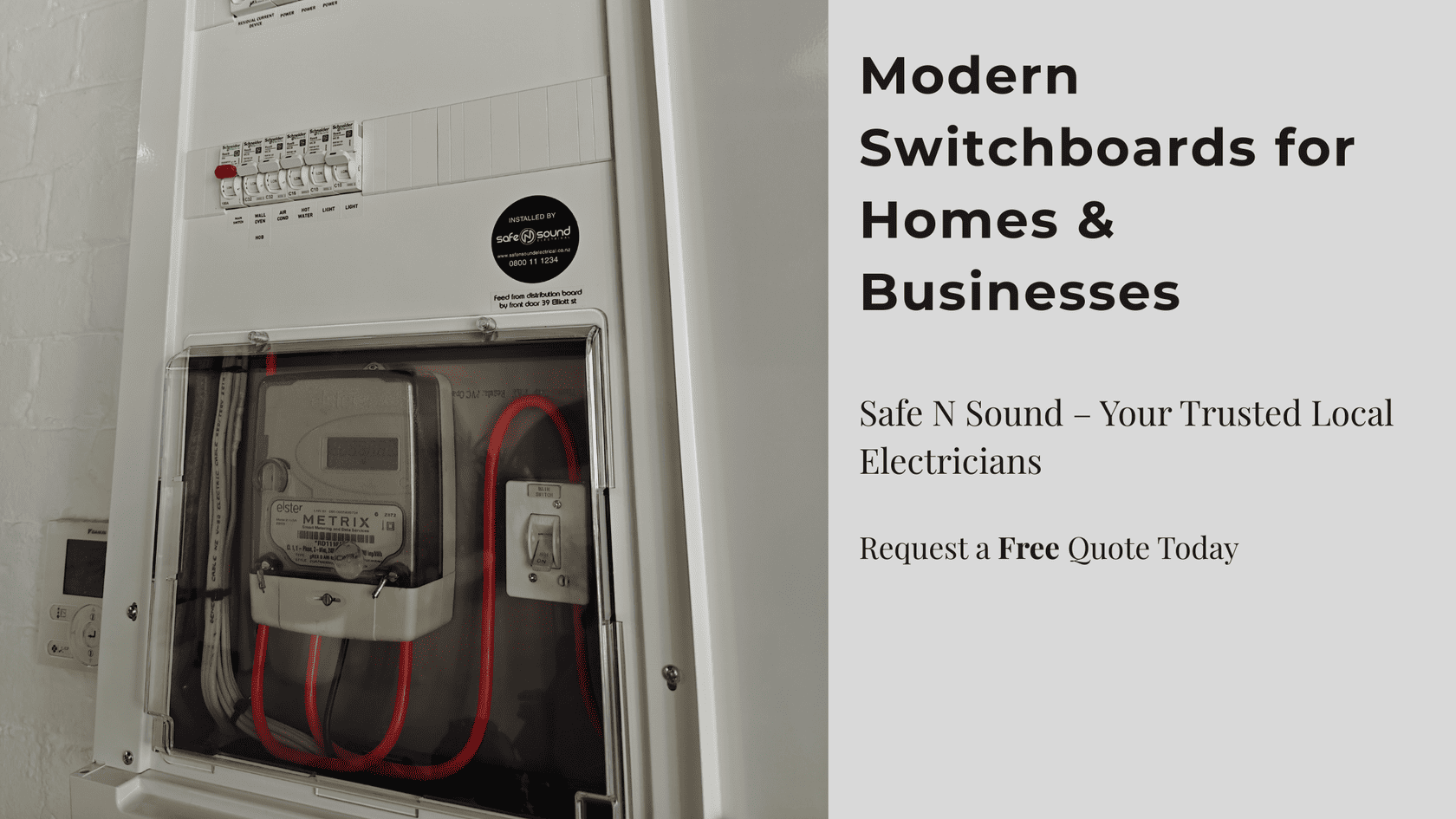
Safe N Sound’s electrical services can support heating controls, additional circuits, switchboard capacity and wider home upgrades where winter demand is exposing limitations in the existing electrical system.
Know when winter bills may point to a bigger issue
Sometimes a high winter bill is simply the result of using more heating. In other cases, winter demand can expose limitations in the home’s electrical system.
Warning signs may include:
- frequent circuit tripping
- flickering lights
- warm or overloaded power points
- older heating circuits struggling under demand
- too much reliance on extension leads or power boards
- burning smells, sparking or unexplained power loss
Portable heaters should be connected directly to a suitable wall power point rather than used through overloaded adaptors or power boards. Never plug one power board or adaptor into another.
If these warning signs are appearing, it is worth having the electrical system assessed rather than continuing to work around the problem.
A real example of future-ready home planning
A project like Precision Homes Paerata Rise shows how better comfort often starts with better planning.
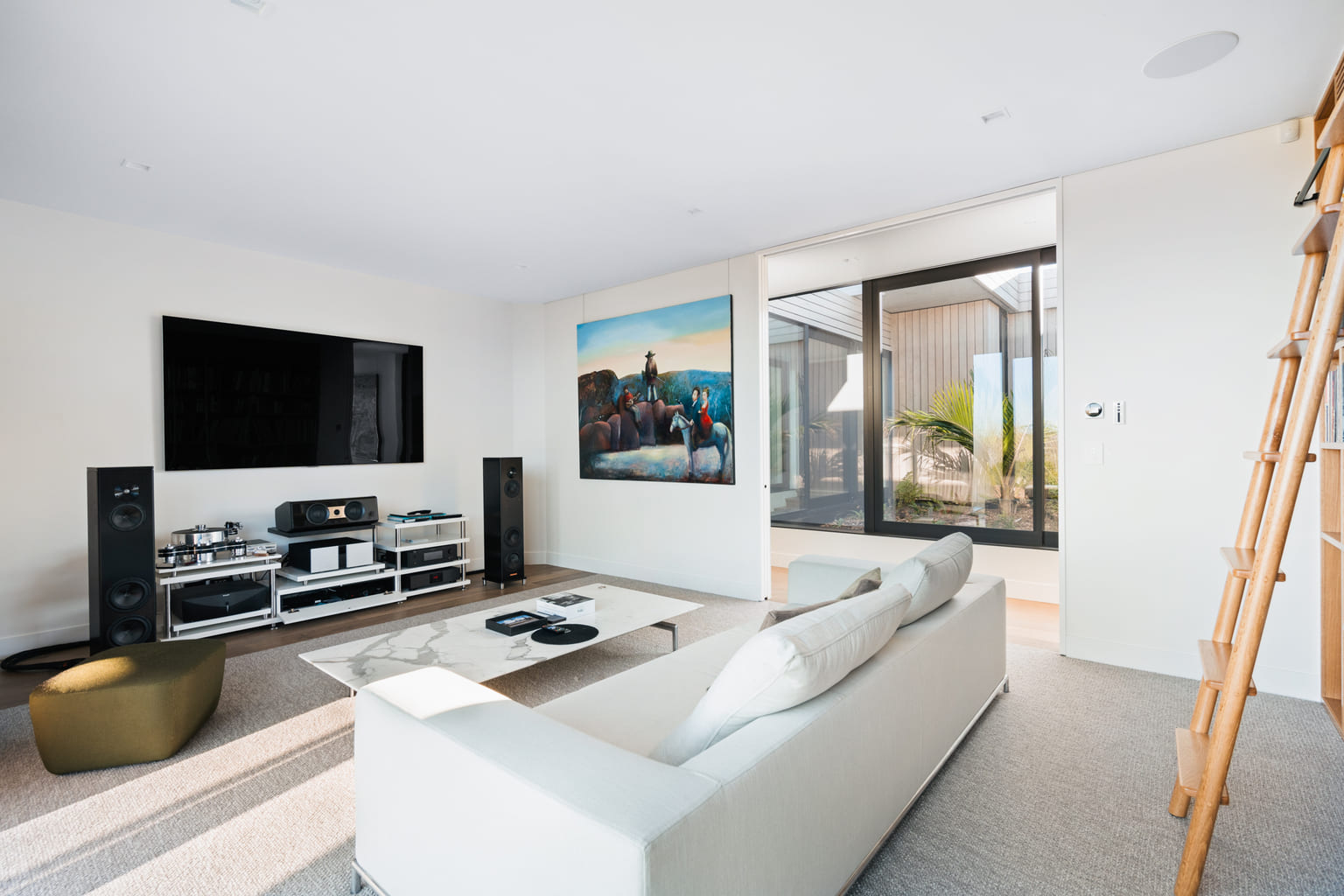
In that home, smart technology, control systems, and integrated design were considered from the beginning. While every project is different, it is a good example of how modern homes can be set up to feel more efficient, more responsive, and easier to manage through different seasons.
FAQs About Winter Energy Saving in NZ Homes
Final thoughts
Staying warm in winter does not have to mean accepting a major jump in power bills. In many NZ homes, the biggest gains come from a mix of better heating habits, reduced heat loss, and smarter use of the systems already in place.
For Auckland and wider New Zealand households, the most practical approach is simple: heat the right spaces, keep warmth in, reduce wasted power, and pay attention when winter demand starts exposing bigger issues in the home.
Concerned About Winter Power Use?
Safe N Sound can assess whether your home’s electrical setup, heating controls, switchboard capacity or reliance on temporary power solutions is contributing to winter energy problems.
Book a residential electrical consultation to discuss practical upgrades for a safer, more comfortable and better-prepared Auckland home.