When a project involves electrical work, one of the most common questions is also one of the simplest: do you need an electrical engineer or an electrician?
People often use the terms as if they mean the same thing, but they do not. Both work with electrical systems, yet their roles are very different. Knowing who does what can save time, reduce confusion, and help you plan your project properly from the start. If your project also involves upgrades to power capacity and safety, The Complete Guide to Switchboard Upgrades in Auckland is a useful next read. This article focuses more specifically on the difference between electrical engineers and electricians, and when each one is needed.
Why the difference matters
This question comes up in all kinds of projects across Auckland and wider New Zealand.
It might be a homeowner planning a renovation. It might be a builder working on a new home. Or it could be a business owner fitting out a commercial site and trying to understand who should handle the electrical side of the job.
The problem is that electrical work can include both design and installation. One part is about planning how the system should work. The other is about physically installing, repairing, and maintaining it on site. That is why understanding the difference matters. It helps avoid delays, prevents gaps in responsibility, and makes it easier to get the right expertise in place at the right stage.

What an electrical engineer does
An electrical engineer is usually involved in the design, planning, and technical performance of an electrical system.
That can include:
- designing electrical systems for new buildings
- planning load requirements and future capacity
- improving energy efficiency
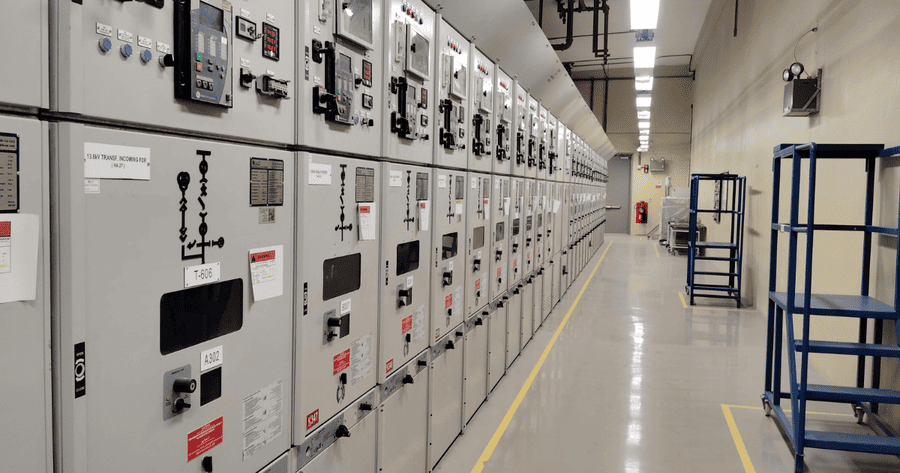
- designing complex electrical infrastructure, generation systems or specialised control systems
- helping ensure a project is safe, scalable, and aligned with technical requirements
In general, an electrical engineer is more likely to focus on system design, technical analysis, capacity and performance.
That becomes especially important when a project is more complex, involves long-term planning, or needs to support multiple technologies working together.
What an electrician does
An electrician is the hands-on professional who installs, repairs, tests, and maintains the electrical system.
That can include:
- wiring a home or commercial space
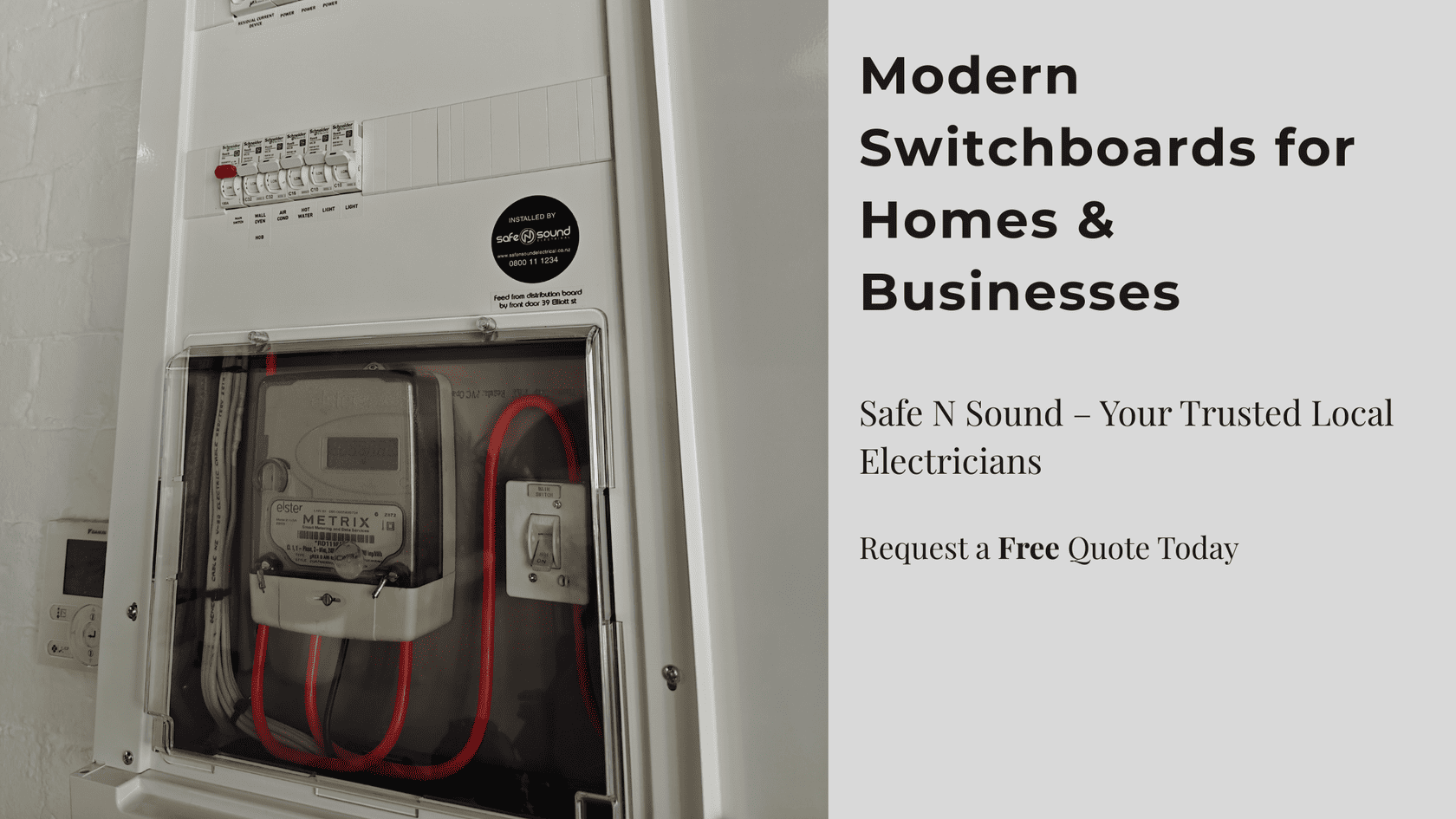
- installing outlets, circuits, and switchboards
- fitting lighting and power points
- carrying out repairs and fault finding
- upgrading existing electrical systems
- connecting devices and equipment safely on site
An electrician is usually responsible for the practical installation, testing, maintenance and repair of electrical systems on site.
That means electricians are essential for the practical side of any project involving electrical work, whether it is a new installation, an upgrade, or a repair.
The exact boundary is not always absolute. In New Zealand, the work someone can legally perform depends on their EWRB registration, current practising licence and the type of prescribed electrical work involved.
When you may need an electrical engineer
An electrical engineer is usually the right choice when the project needs deeper design input or technical planning.
That may include:
- designing a custom electrical setup for a new home or commercial building
- planning system capacity for future expansion
- integrating advanced automation or energy systems
- carrying out load analysis for larger or more demanding projects
- solving design issues in more complex builds or fit-outs
This kind of input is often most valuable early in the project, when there is still time to make the right decisions before installation begins.
When you need an electrician
An electrician is usually the right person when the work needs to be installed, repaired, upgraded, or maintained.
That may include:
- installing wiring, sockets, or light fittings
- upgrading a switchboard
- carrying out fault finding or repairs
- fitting indoor or outdoor lighting
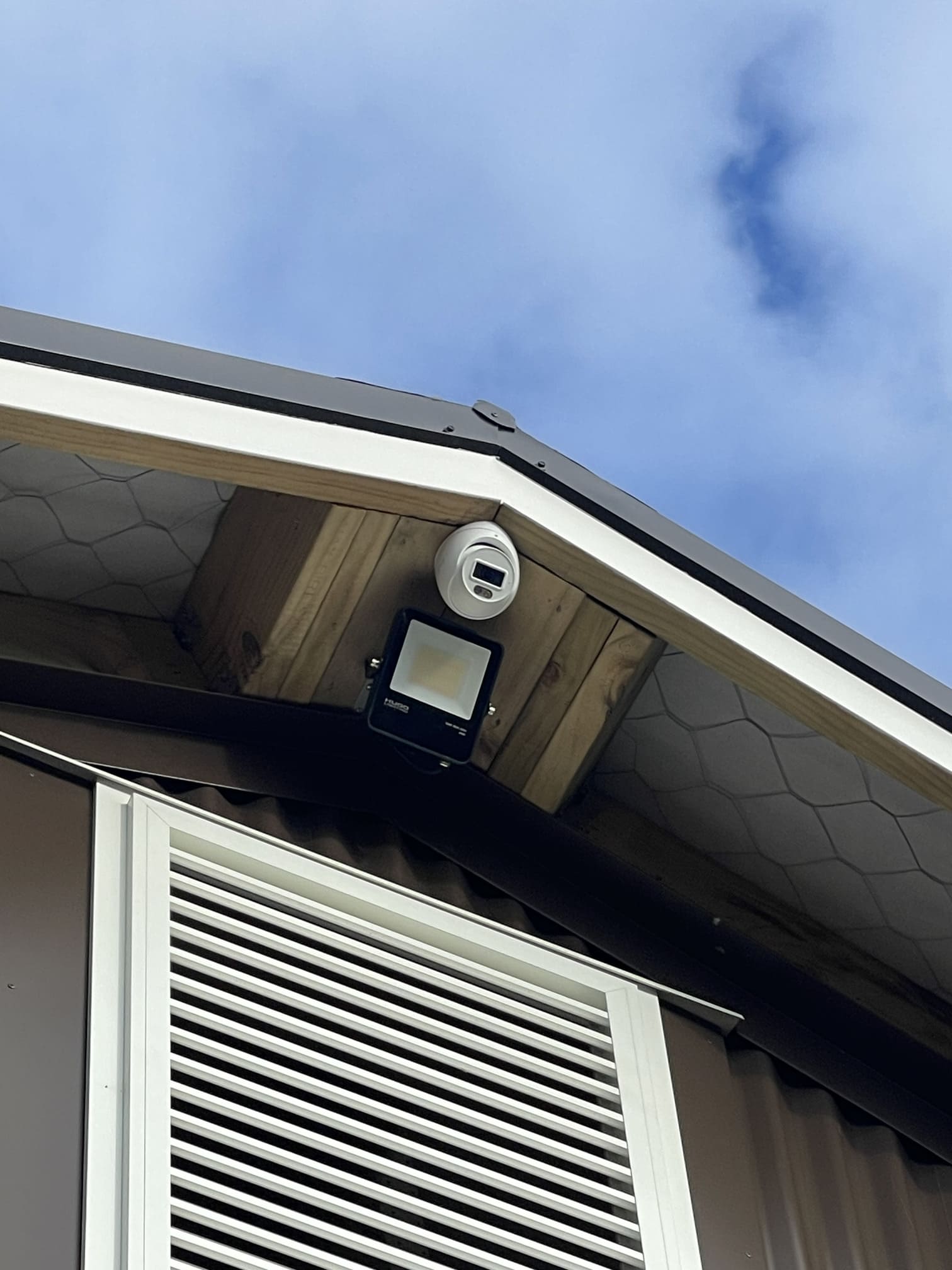
- installing security cameras, alarms, or connected devices
- wiring for smart home technology or automation features
Safe N Sound’s electrical services bring together in-house electrical engineering expertise and licensed electrical installation for residential and commercial projects across Auckland. This allows the technical planning and practical delivery to be considered together from the start.

When a project needs both
Larger or more technically complex projects may need both engineering design and licensed electrical installation.
That is especially true in:
- large new developments
- major commercial fit-outs
- projects with substantial load or capacity requirements
- complex generation or energy systems
- developments requiring engineered electrical design
- projects where installation must follow a certified design
In those situations, the best outcome usually comes from treating the electrical work as part of the wider project rather than as a standalone trade. That is particularly important when lighting, automation, AV, networking, and security all need to work together.
Why this matters in real projects
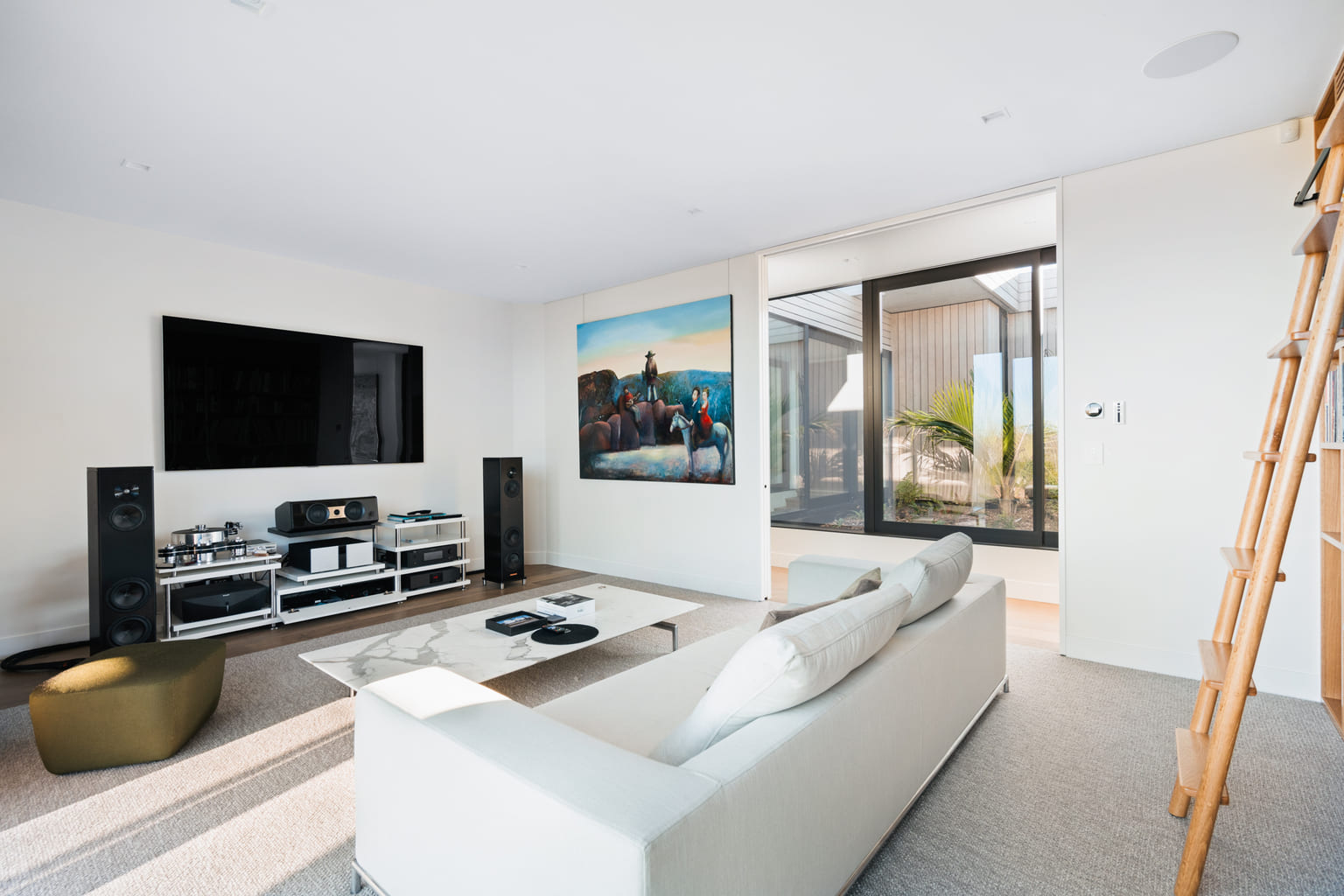
A project like Grey Lynn Project shows why this distinction matters.
That home involved a full electrical upgrade along with AV, security, networking, and smart home integration. In a project like that, it is not enough to think only about installation. The electrical system has to support the wider technology plan properly. If the electrical backbone is weak, everything else becomes harder to integrate and harder to expand later.
That is why understanding who you need, and when, can make a big difference to the final result.
Common mistakes people make
There are a few mistakes that come up often in electrical projects.
Assuming both roles are interchangeable
They are not. One role is more design-led, while the other is practical and installation-led.
Leaving planning too late
If the electrical side is only considered once installation begins, it can create avoidable compromises later in the project.
Thinking only about today’s needs
A project should not just work for current demand. It should also allow for future loads, future devices, and future upgrades.
Treating electrical work as separate from the wider technology plan
In homes and commercial spaces with integrated systems, electrical work affects much more than just lights and power points.
| Scenario | Usually start with |
| Designing a complex building electrical system | Electrical engineer |
| Carrying out a residential switchboard upgrade | Licensed electrician |
| Installing lights, sockets or circuits | Licensed electrician |
| Fault finding and electrical repairs | Licensed electrician |
| Assessing loads for a large or complex development | Electrical engineer |
| Wiring smart-home, AV or security equipment | Licensed electrician or specialist integrator, depending on the work |
| Designing complex energy, generation or distribution systems | Electrical engineer |
| Major projects involving both design and installation | Both may be required |
FAQs About Electrical Engineers and Electricians
Choosing the Right Electrical Expertise
If the project needs system design, load planning or technical performance advice, an electrical engineer may be the right place to start. If it involves installation, upgrades, repairs or practical electrical work on site, a licensed electrician is usually required.
Some larger or more technically complex projects need both. Safe N Sound is led by an electrical engineer and supported by licensed electricians, giving clients coordinated expertise from technical planning through to practical installation.
Understanding how the two roles fit together makes planning easier, reduces gaps between design and delivery, and creates a stronger electrical foundation for the wider project.
Not Sure Who Your Project Needs?
Safe N Sound can assess the electrical requirements of your renovation, new build, commercial fit-out or integrated technology project and help determine the right starting point.
Book an electrical consultation to discuss your project, switchboard capacity, wiring and future technology plans.