Some electrical jobs are straightforward. Others need an electrician with experience in the exact type of upgrade you are planning.
Lighting design, smart home automation, and EV charging all involve more than simply connecting a new device. They can affect your home’s electrical capacity, controls, cabling, layout, and future upgrade options. Getting the right advice early can help you avoid costly changes and create a system that works properly from the start.
By “specialist electrician”, we mean a qualified electrician with relevant experience in the type of work being completed. For Auckland homeowners planning one of these three upgrades, that experience can make a noticeable difference to the final result.
Why some home upgrades need specialist experience
Modern homes use more connected technology and higher-demand equipment than they once did. As a result, the electrical work behind an upgrade often needs to support more than the visible product.
For example, a lighting project may need dimming compatibility and scene control. A smart home system may require careful planning across electrical, networking, security, and AV. An EV charger may place additional demand on the home’s electrical supply.
An electrician with relevant experience can assess the wider system instead of looking only at the immediate installation.
1. Lighting upgrades and smart lighting
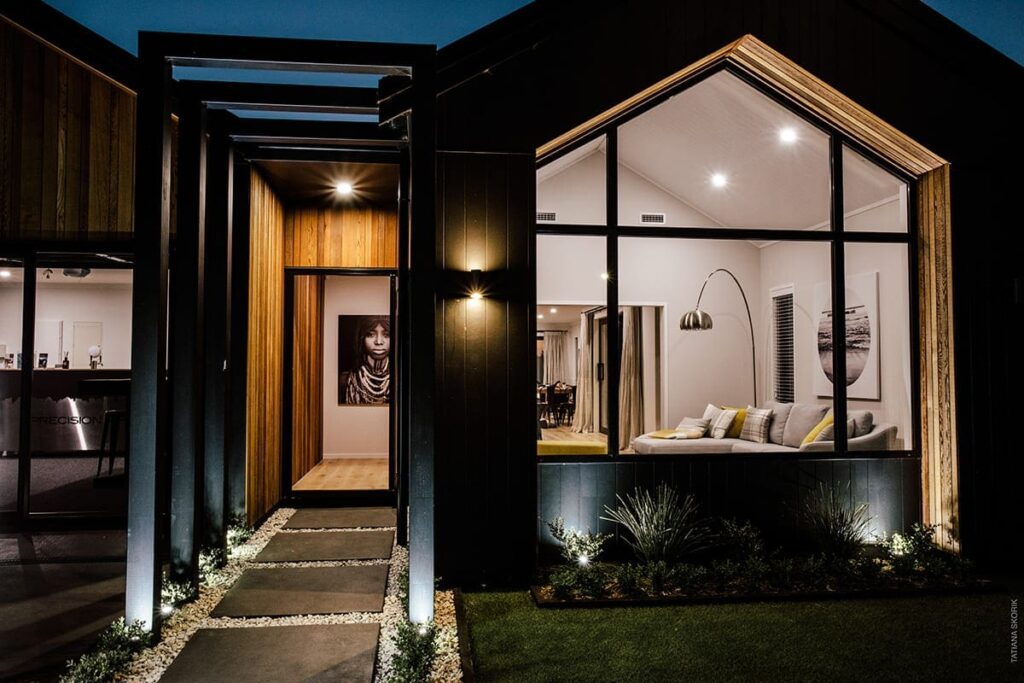
Good lighting affects how a home looks, feels, and functions. However, achieving the right result involves more than choosing attractive fittings.
A well-planned lighting upgrade should consider:
- how each room is used
- where task and ambient lighting are needed
- dimming and control requirements
- energy-efficient LED options
- switch and keypad placement
- whether smart lighting may be added now or later
In kitchens and bathrooms, good task lighting makes everyday activities easier. In living areas, layered lighting can create a more comfortable atmosphere. Outdoors, carefully positioned lighting can improve both visibility and the appearance of the property.
If smart lighting is part of the plan, the electrician also needs to understand how the fittings, dimmers, controls, and wider automation system will work together. Without that coordination, homeowners can end up with incompatible equipment or controls that feel more complicated than expected.
2. Smart home automation

Smart home automation can bring lighting, blinds, entertainment, heating, security, and access control together through one interface. However, a reliable system depends heavily on the infrastructure behind it.
The electrical side may need to allow for:
- smart lighting controls
- touchscreens and keypads
- powered blinds
- AV and network equipment
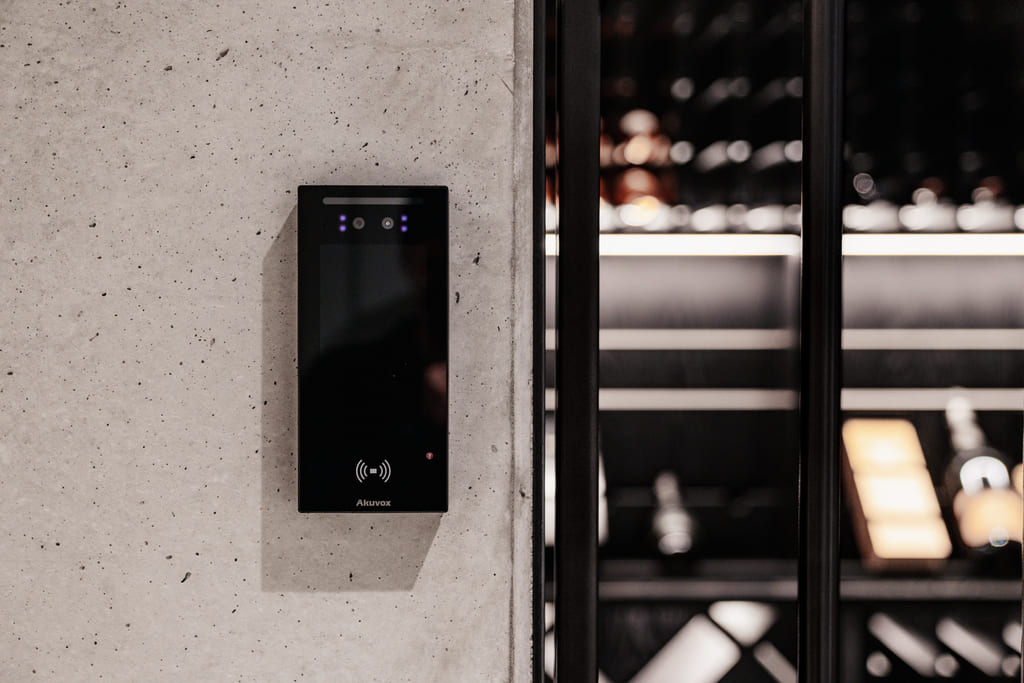
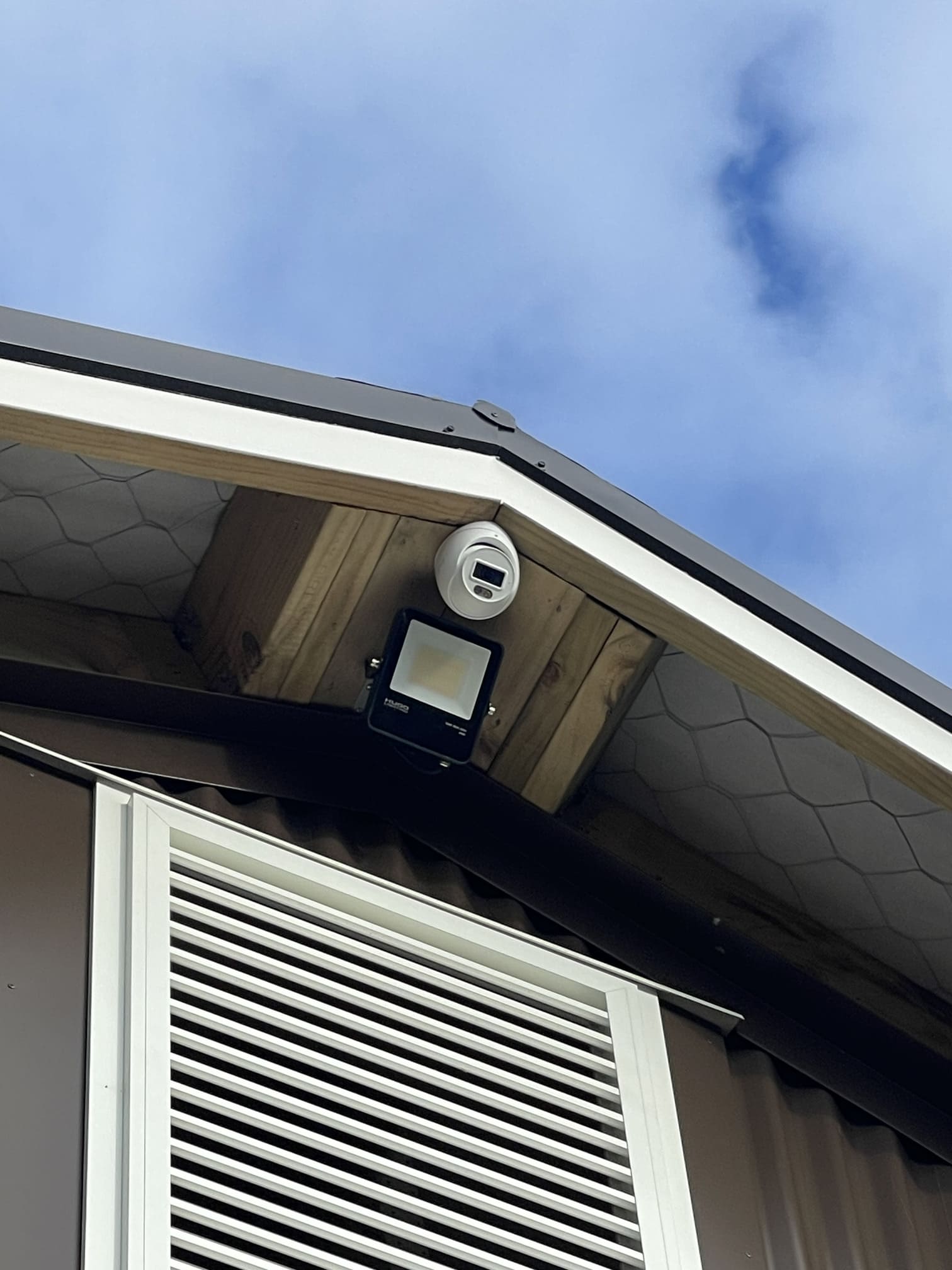
- security devices and intercoms
- future additions to the system
This is why automation should be considered early in a new build or renovation. Planning before walls are closed makes it easier to position cabling, power, controls, and equipment neatly.
Safe N Sound’s Electrical team works across both electrical and connected home technology, helping ensure the systems are designed to support each other rather than being installed as separate layers.
3. Home EV charger installation
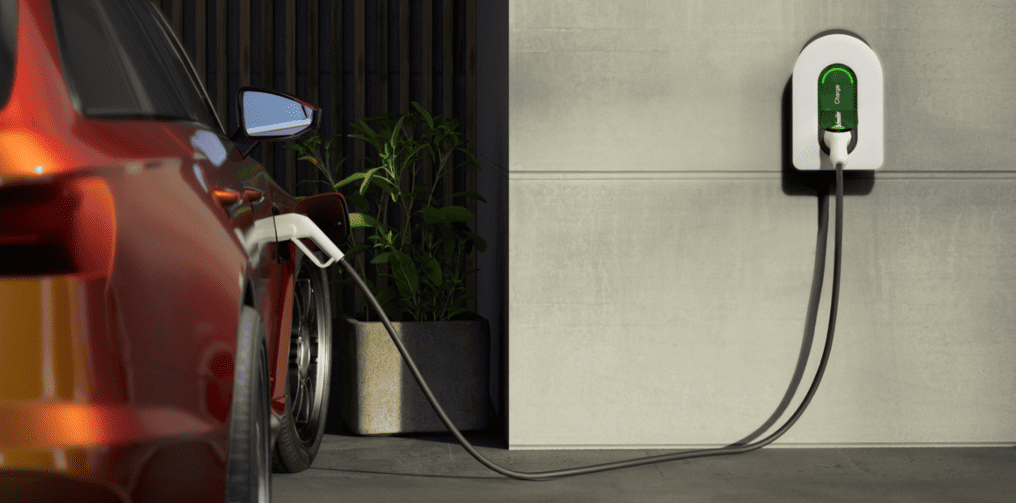
Charging an electric vehicle at home can be more convenient than relying only on public chargers. However, installing a fixed wall charger is not simply a matter of attaching it to the nearest outlet.
Before installation, the electrician may need to assess:
- the capacity of the home’s electrical supply
- the condition and available space within the switchboard
- the distance between the switchboard and charging location
- the charger’s power requirements
- cable routing and weather exposure
- whether additional electrical upgrades are needed
This is particularly important in older Auckland homes, where the existing electrical system may not have been designed for the additional load.
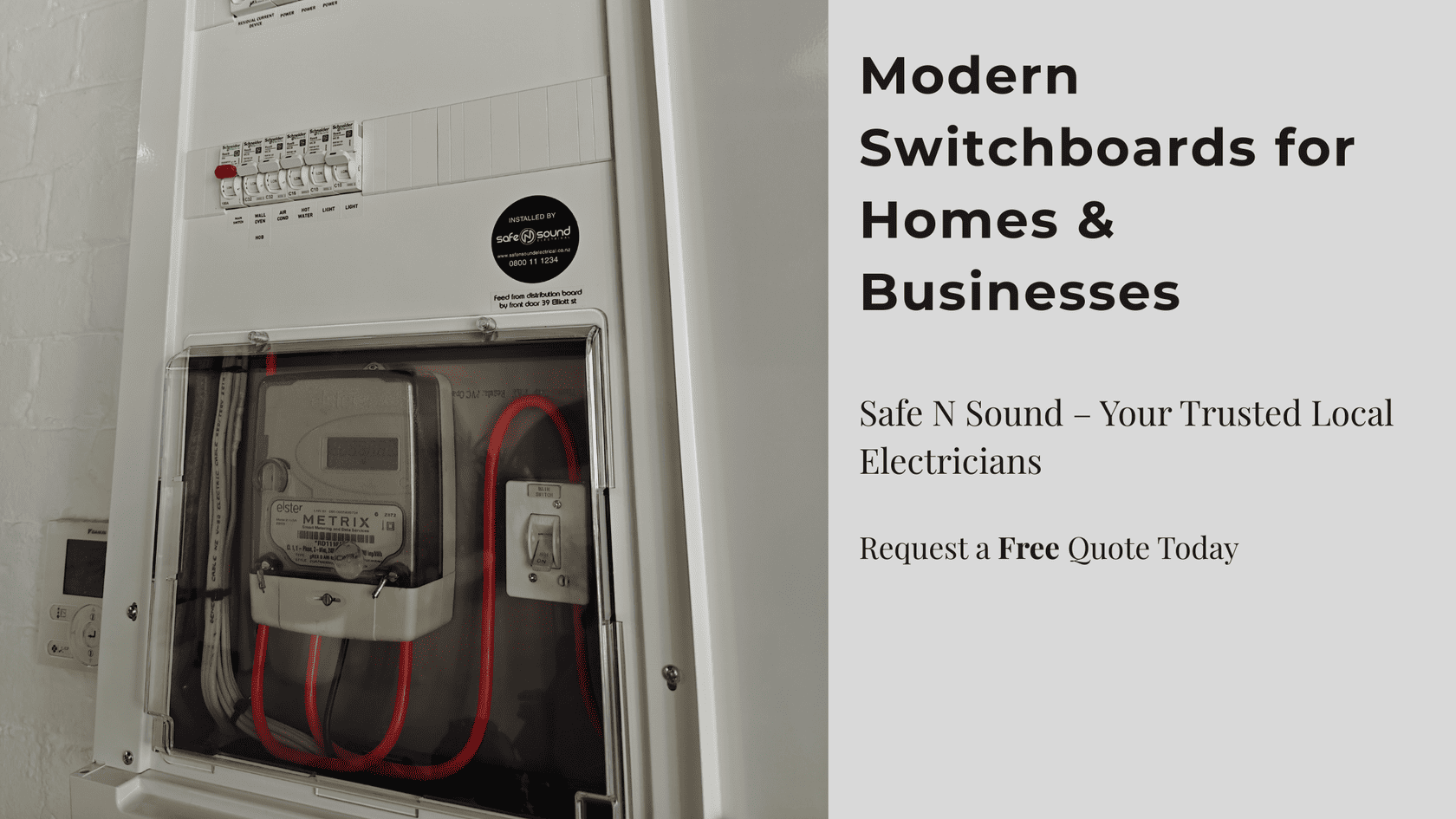
If the switchboard is already dated or close to capacity, our Complete Guide to Switchboard Upgrades in Auckland explains the warning signs and what an upgrade may involve.
What a specialist electrician should consider
The right electrician should look beyond the product being installed.
Before beginning work, they should understand:
- what you want the upgrade to achieve
- how it will affect the existing electrical system
- whether the equipment is compatible
- how the upgrade fits into the design of the home
- whether future expansion should be allowed for
- what testing and compliance documentation will be required
This wider view is especially valuable when multiple systems need to work together.
Why early planning saves time and money
Homeowners sometimes choose products first and involve an electrician later. That can lead to incompatible equipment, limited installation options, or unexpected electrical work.
Bringing the electrician in earlier allows the electrical requirements to be considered before decisions become difficult or expensive to change.
Early planning is particularly useful for:
- new builds
- major renovations
- kitchen and bathroom upgrades
- landscape and outdoor living projects
- smart home installations
- future EV charger preparation
Even when an upgrade is being completed in stages, a clear long-term plan can prevent the home from becoming a collection of disconnected systems.
A real example of integrated home technology
The Matakana Paradise project shows why joined-up planning matters.
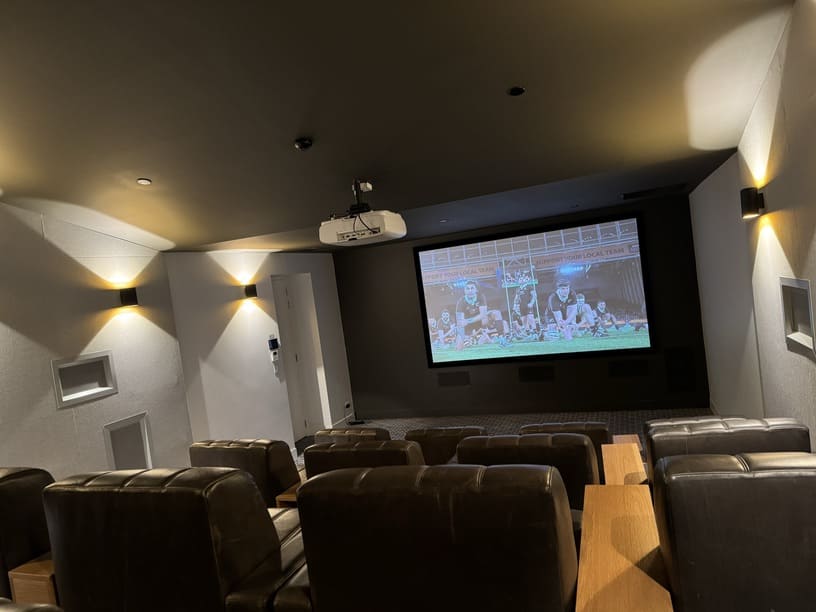
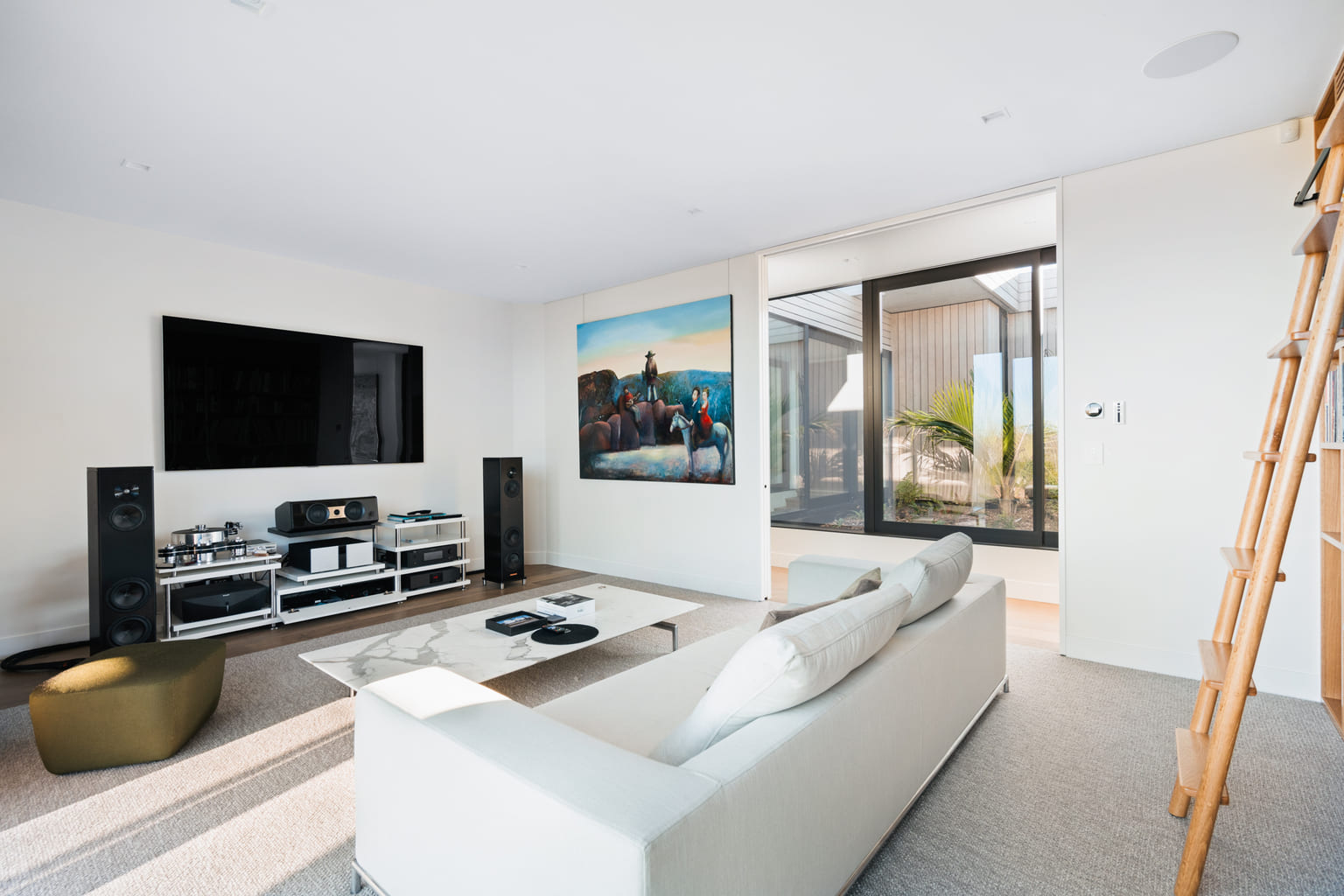
The home brought together smart control, lighting, AV, security, and connectivity within a high-end residential environment. Instead of treating each part as a separate addition, the systems were planned to support the way the property would be used.
That approach creates a cleaner finish, more intuitive control, and a stronger foundation for future technology.